AUBREY BEARDSLEY

(1872 - 1898)
ART ::: ILLUSTRATOR ::: SONO
The Artist Who Drew the Modern Imagination
Most people have never heard of Aubrey Beardsley.
Almost everyone has seen his influence.
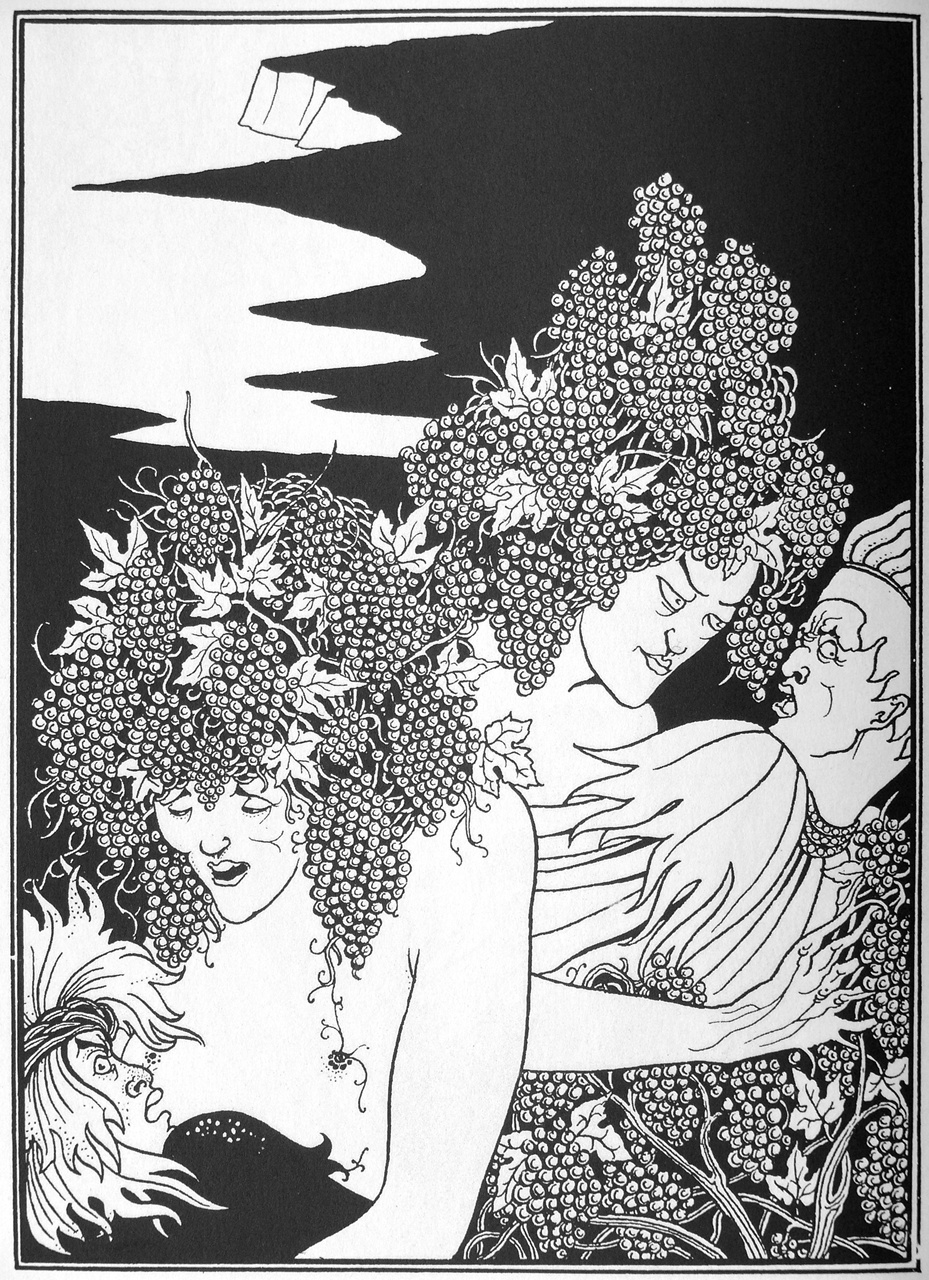
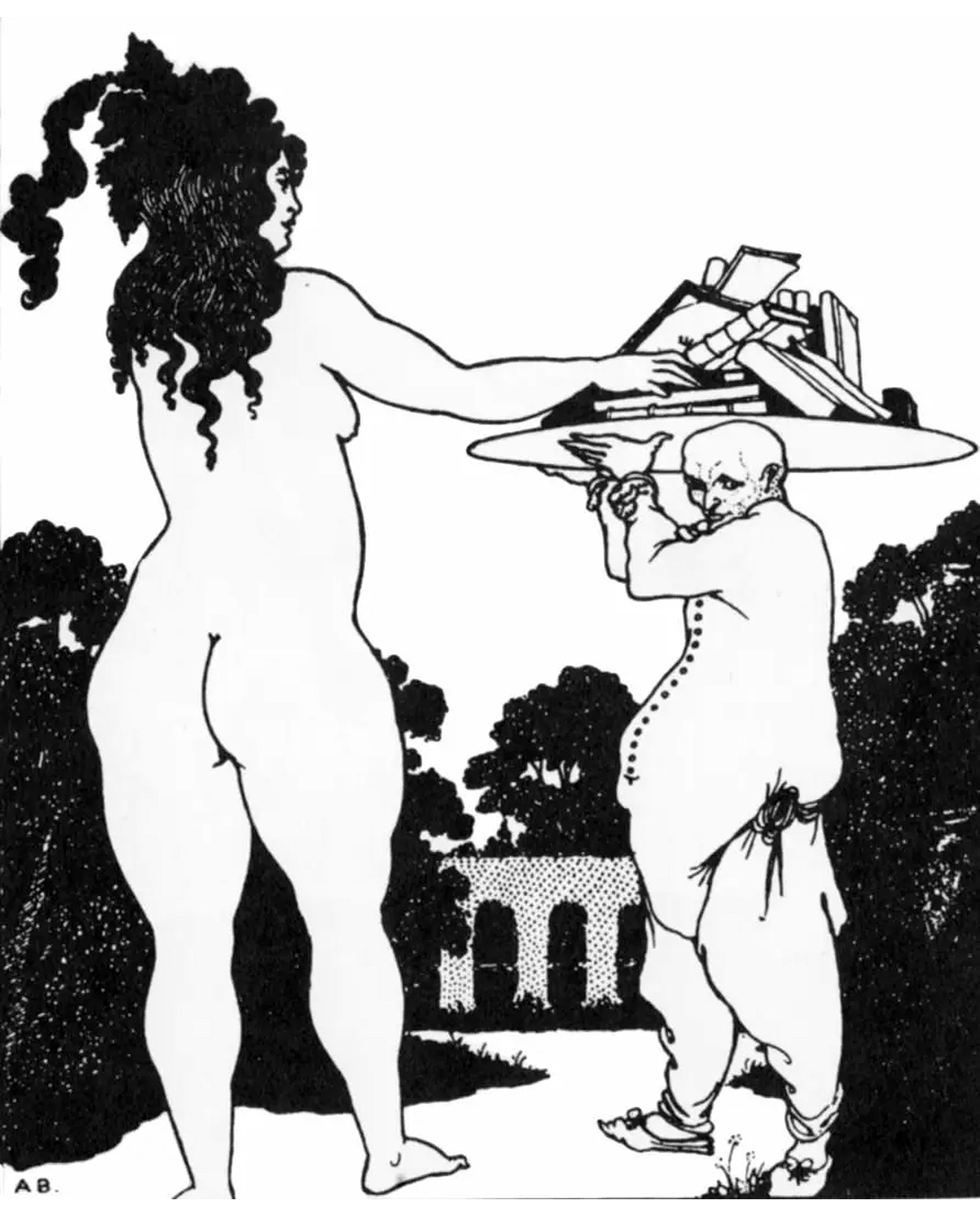
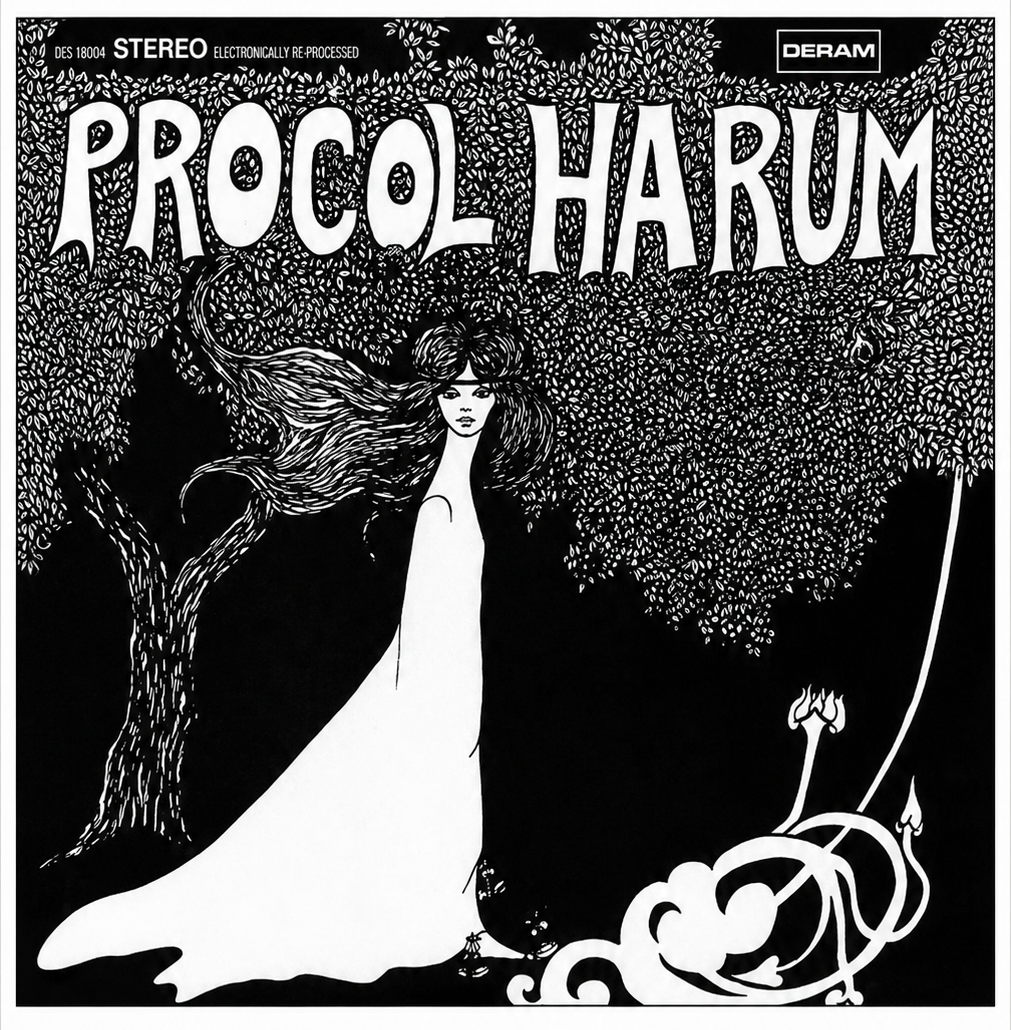
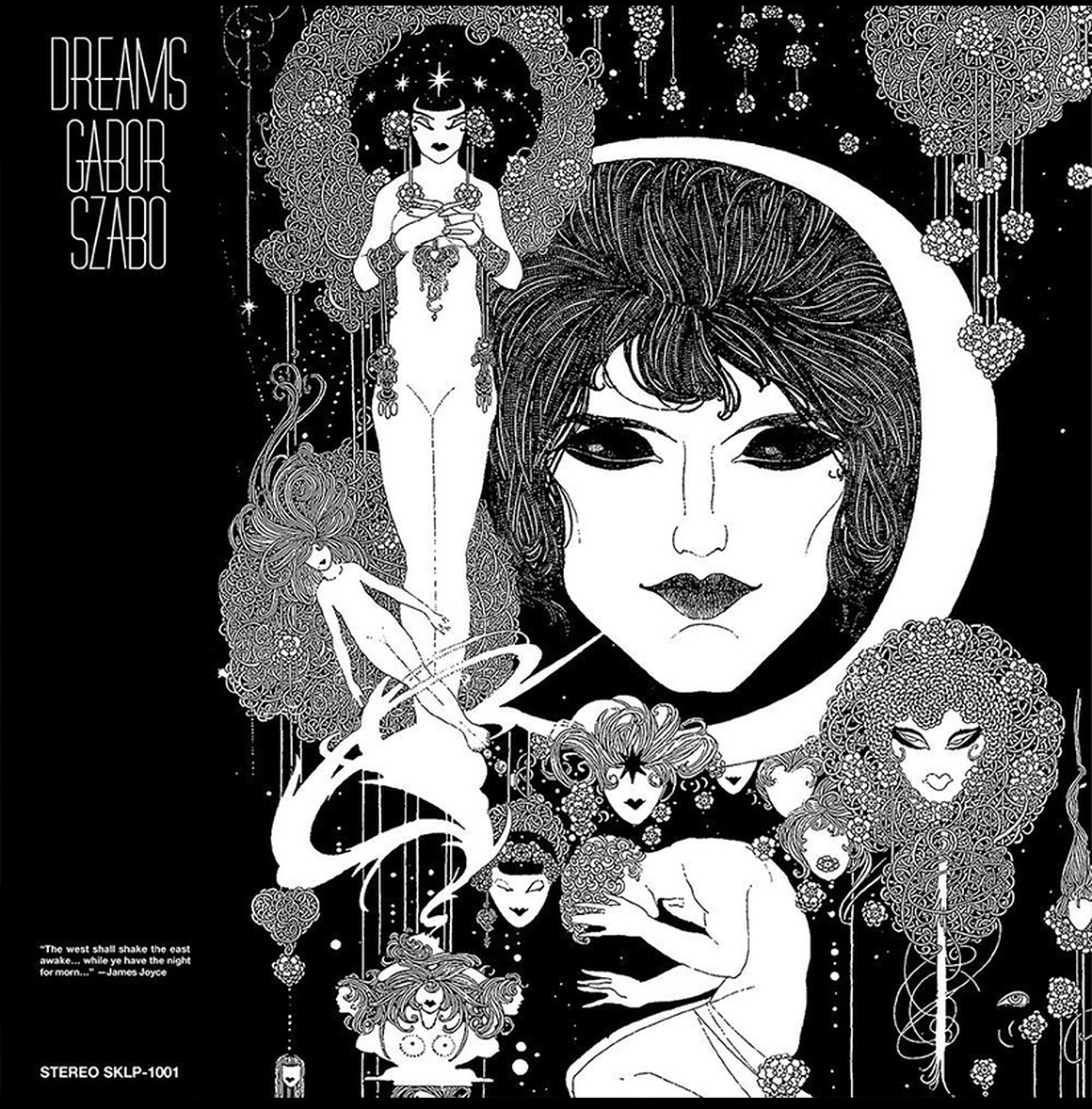
The bold black lines. The elegant curves. The fearless use of negative space. The marriage of beauty and provocation. More than a century before graphic novels, underground comics, album covers, or psychedelic concert posters, Beardsley created a visual language that still feels astonishingly modern. Once you recognize his work, you begin to see it everywhere.
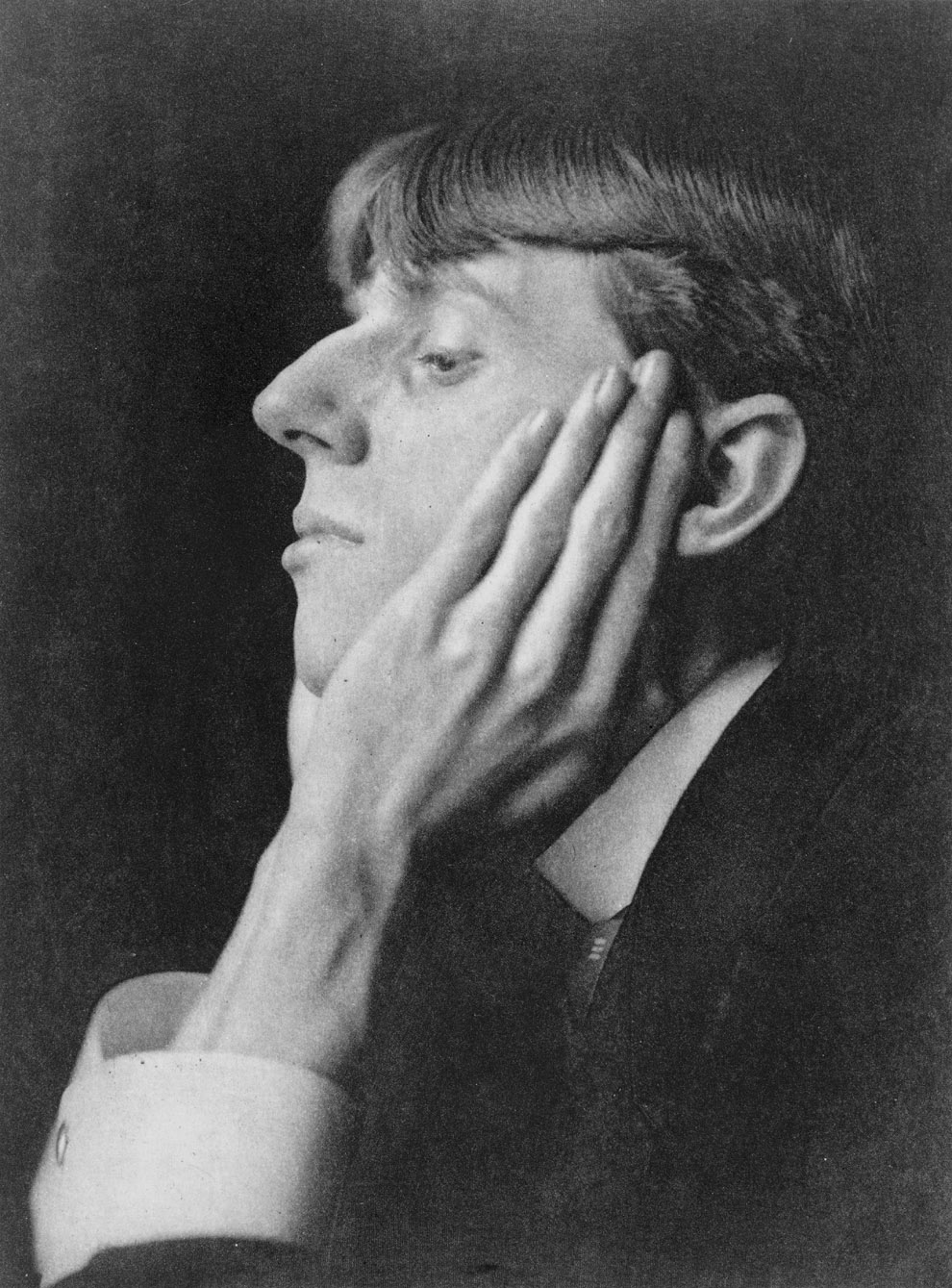
Born in Brighton, England, in 1872, Beardsley produced the work that made him famous in little more than six extraordinary years. Encouraged by the Pre-Raphaelite artist Sir Edward Burne-Jones, he developed a style that drew inspiration from medieval illustration, Japanese woodblock prints, Art Nouveau, and the emerging Aesthetic movement. His illustrations for Sir Thomas Malory's Le Morte d'Arthur, Oscar Wilde's Salomé, Alexander Pope's The Rape of the Lock, and Aristophanes' Lysistrata established him as one of the most original illustrators of the nineteenth century.
Beardsley's association with Oscar Wilde often overshadows his larger achievement. After Wilde's trial in 1895, anyone connected to him became suspect in the eyes of Victorian society, and Beardsley lost his position as art editor of The Yellow Book despite having no involvement in the scandal. Yet while opportunities disappeared in England, another champion emerged across the Atlantic. Boston publisher F. Holland Day, through the firm Copeland & Day, became one of Beardsley's earliest American patrons, publishing and promoting his work in the United States. Those editions not only expanded Beardsley's international reputation but also provided valuable income during an increasingly difficult period of his career.
Although Beardsley's greatest personal financial support during his final illness came from the writer and patron Marc-André Raffalovich, it was F. Holland Day's professional patronage that helped establish Boston as an unexpected gateway for the English Decadent movement. Through Copeland & Day, American readers encountered Beardsley's revolutionary illustrations for Salomé and other landmark publications, ensuring that his influence crossed the Atlantic. More than seventy years later, Boston artists would rediscover that same visual language and adapt it for an entirely different cultural revolution.
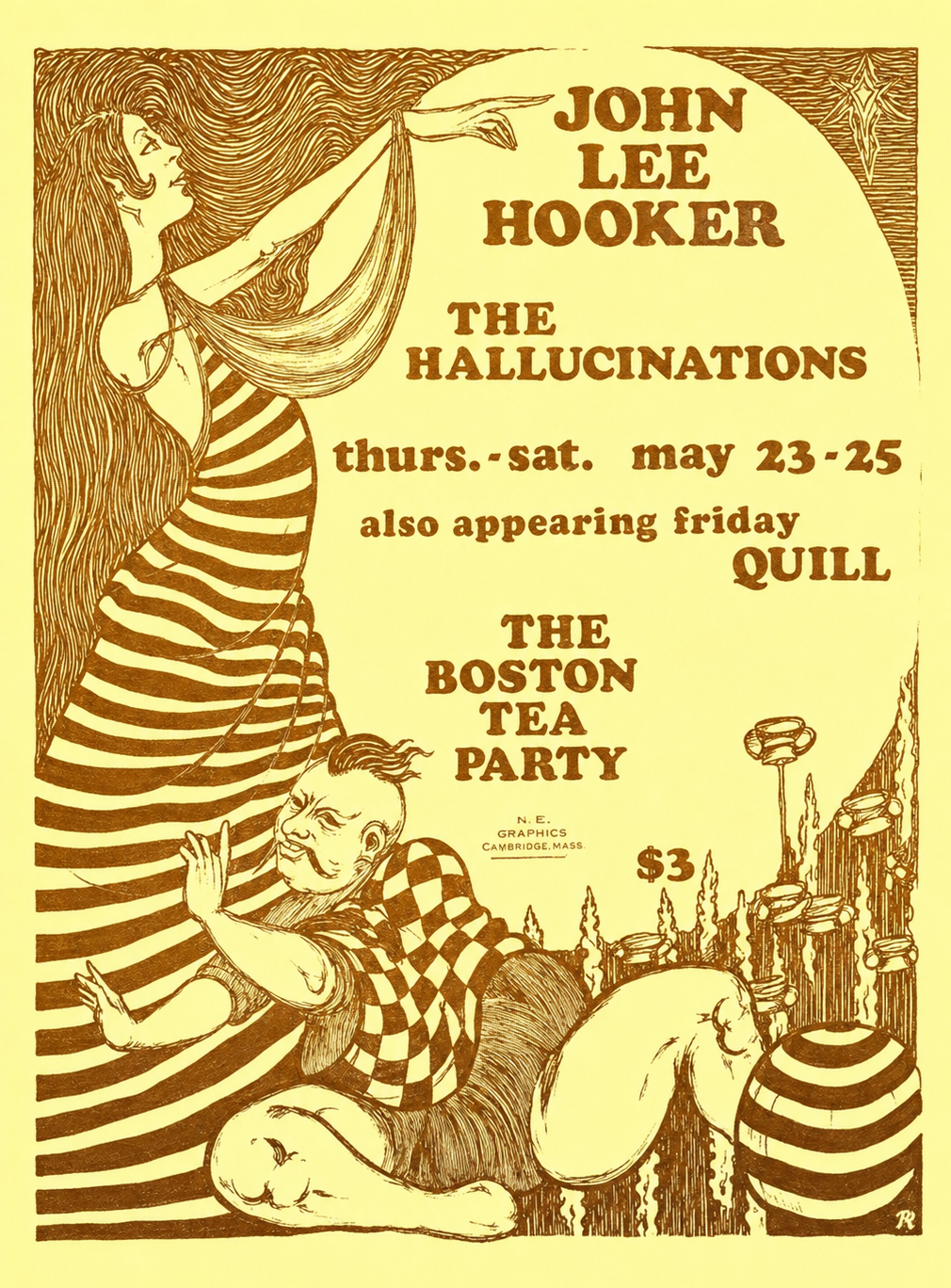
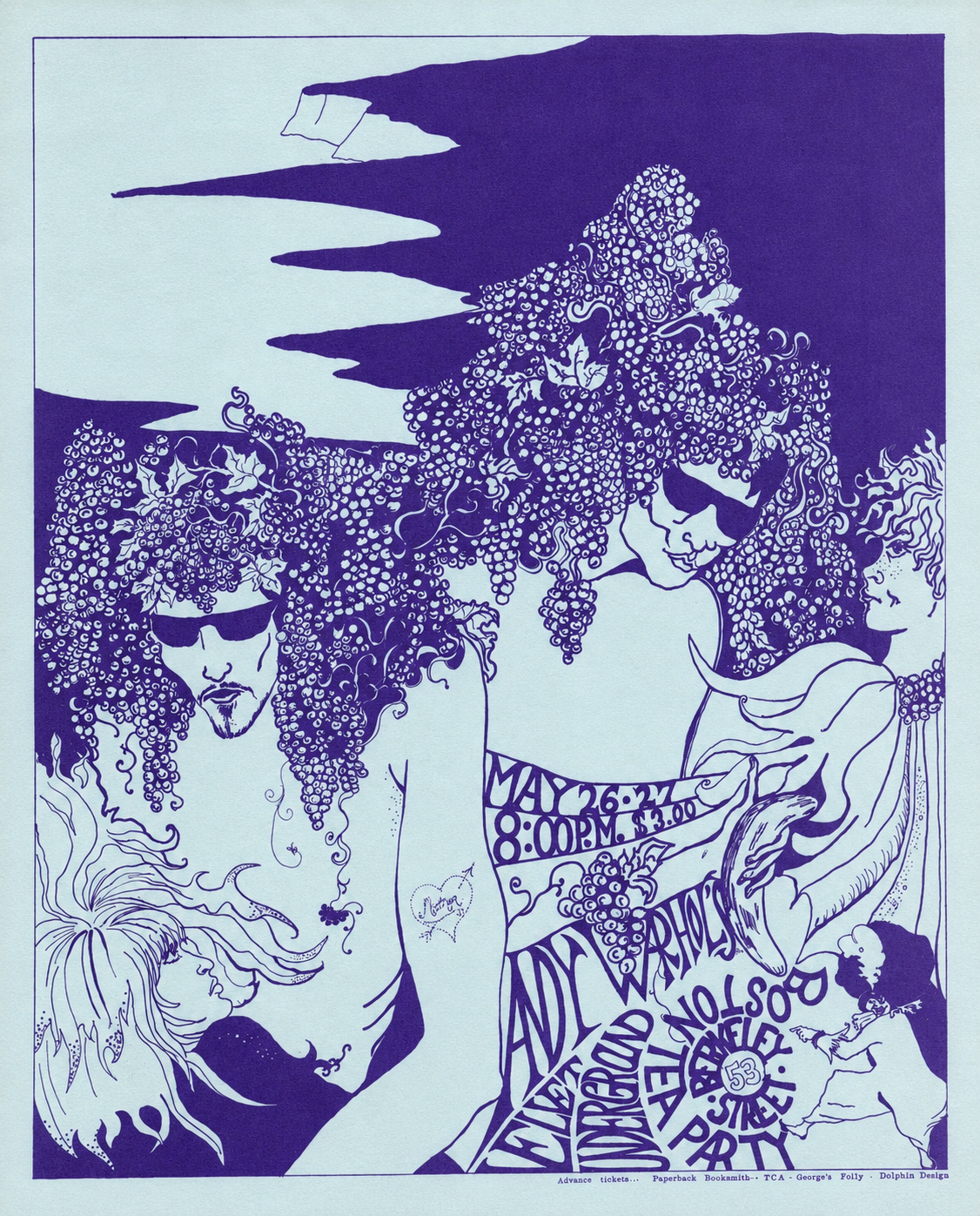
Beardsley did not simply reappear during the psychedelic era—his work found a particularly receptive home in Boston. While artists on the West Coast, especially those associated with the San Francisco poster movement, often drew inspiration from the flowing Art Nouveau designs of Alphonse Mucha, many artists working for Boston's underground press and music scene looked instead to Aubrey Beardsley's dramatic black-and-white compositions. The illustrators behind Avatar magazine and many of the posters produced for concerts at the original Boston Tea Party at 53 Berkeley Street borrowed heavily from Beardsley's visual vocabulary: bold contour lines, dramatic negative space, elongated figures, and sensual organic forms. They weren't simply reviving Victorian illustration—they were translating it for a new generation.
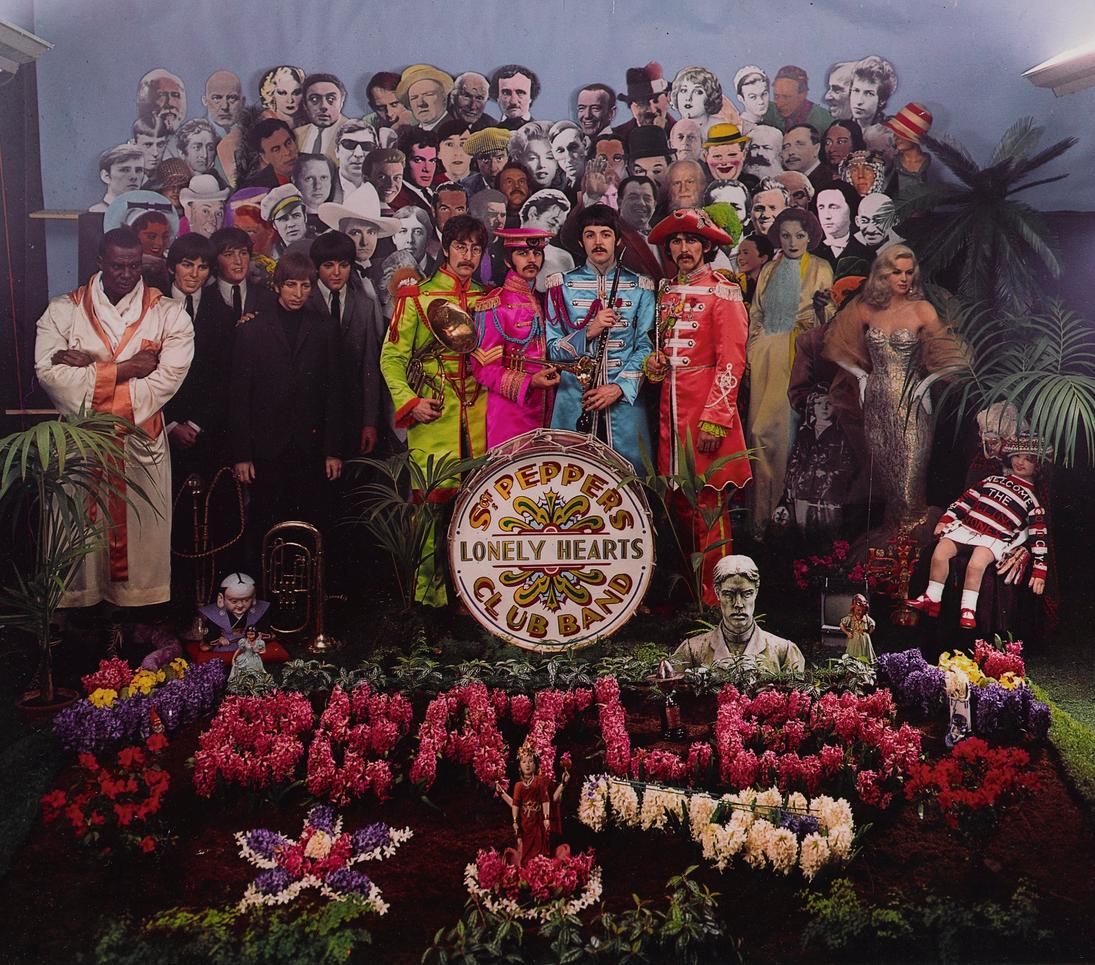
By 1967, Beardsley's influence had become so widely recognized that he appeared among the cultural icons on the Beatles' Sgt. Pepper's Lonely Hearts Club Band. The journey from Victorian illustration to the Summer of Love isn't as improbable as it seems—it follows a continuous thread of artistic influence.
Aubrey Beardsley died of tuberculosis in Menton, France, in 1898 at just twenty-five years old. His career lasted only a handful of years, but his imagination has been at work for more than a century. Most people have never heard of Aubrey Beardsley. After tracing the journey of his art—from Victorian England to Boston, from F. Holland Day to Avatar magazine, from Salomé to the Boston Tea Party—you'll begin to recognize his influence everywhere.