
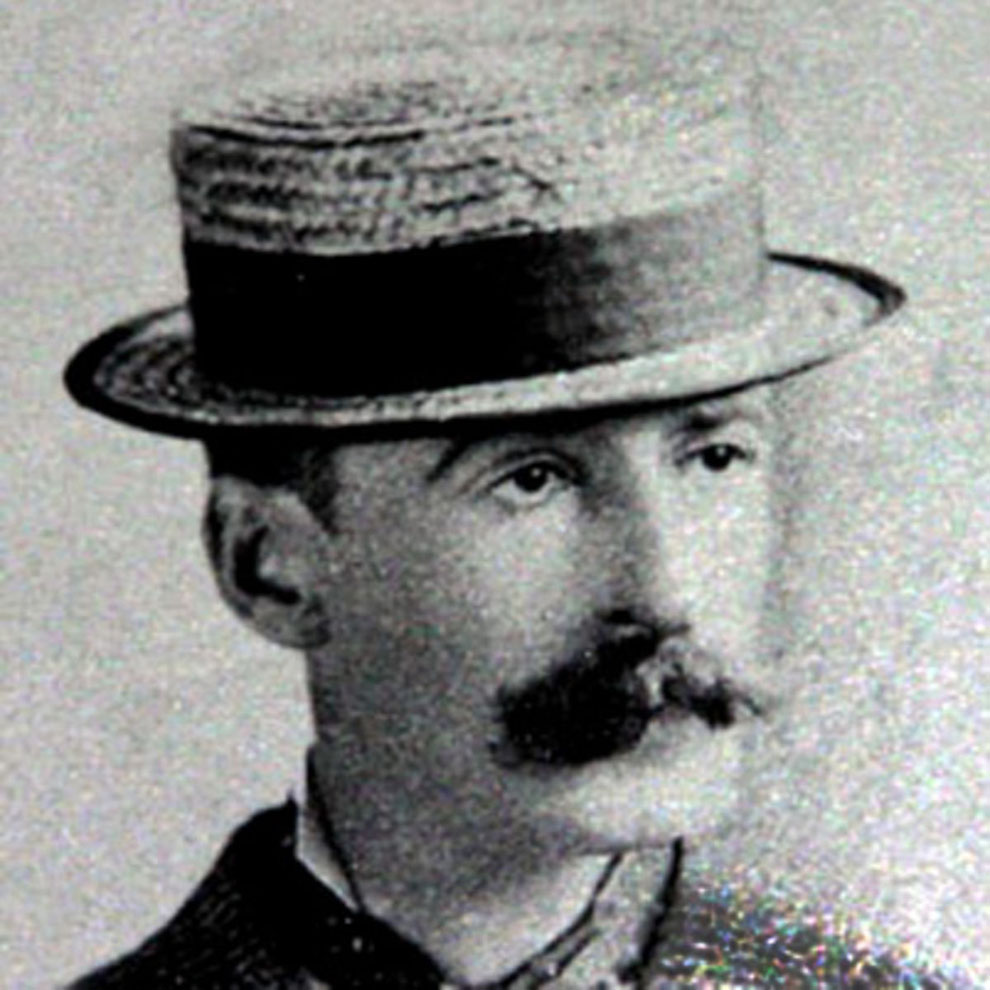
WINSLOW HOMER
(1836 – 1910)
ART ::: ILLUSTRATOR :::
Winslow Homer — a painter who managed to talk about everything Americans argue over while almost never arguing. Before himIt was mostly reassurance. The artists of the Hudson River School painted a country already explained — glowing valleys, calm skies, destiny pre-approved. Homer keeps the same America but changes the camera position. You’re no longer standing above the land admiring it; you’re inside it. A fisherman rows through fog, a soldier returns to a field that doesn’t care what he’s seen, children play on ground that still has to feed them. The subject stops being scenery and becomes condition. He didn’t paint what America meant — he painted what it felt like to wake up inside it.
What makes him strange, and why he still feels modern, is that his paintings are packed with social issues but almost empty of politics. His war pictures come directly out of the American Civil War yet refuse victory speeches. His Reconstruction-era Black figures are neither caricatures nor moral lessons — just people standing in a reality nobody had solved yet. His women signal ships, work coastlines, and survive storms without being idealized or pitied. You leave a Homer painting aware of class, race, labor, and danger, but you were never told what position to take. He trusted observation more than ideology. The paintings don’t instruct; they confront quietly.
Later, Norman Rockwell could paint neighbors, kitchens, classrooms, and shared rituals because Homer had already moved American art away from symbols and toward lived experience. Rockwell paints community, but Homer discovered the subject first: ordinary life under pressure. If the early landscape painters gave America its dream, and Rockwell gave it its memory, Homer gave it its consciousness — the moment the country stopped admiring itself and started recognizing itself. His real achievement wasn’t a style. It was proving art could be socially aware without becoming political, and that simply showing people honestly might be the most democratic gesture a painter can make.