
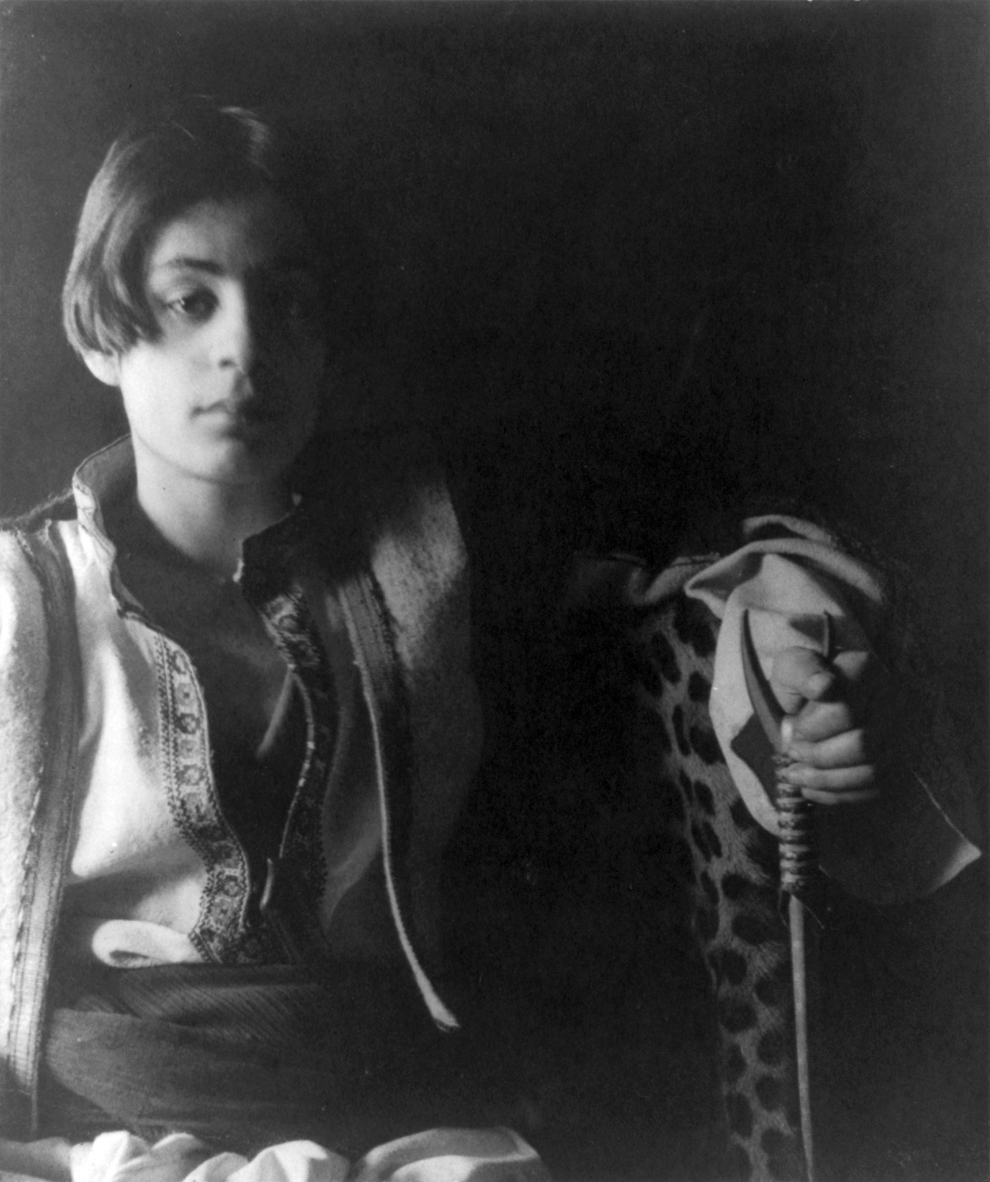
Kahlil Gibran - Photo by F. Holland Day
KAHLIL GIBRAN
(1883-1931)
BOOKS ::: POET ::: SONO :::
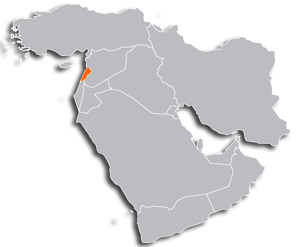
Kahlil Gibran was born January 6, 1883, in the mountain village of Bsharri in what was then Ottoman-ruled Mount Lebanon. His early life in a Maronite Christian household was marked by hardship: his father’s financial and legal troubles left the family impoverished, and in 1895 Gibran immigrated with his mother and siblings to Boston’s South End, a thriving immigrant neighborhood where he learned English and began his formal creative education. At an early age he showed promise as a visual artist and writer, enrolling in art classes and attracting the attention of local artists.
In Boston, Gibran encountered F. Holland Day, the avant-garde photographer, publisher, and visionary of the city’s artistic circle, who befriended the young immigrant, encouraged his drawing, and introduced him to Romantic and Symbolist literature. Day’s mentorship and the cultural ferment of Boston’s creative community helped shape Gibran’s aesthetic sensibilities, and in 1904 his drawings were exhibited in Day’s studio, while he also published early literary work in Arabic. Gibran later studied art in Paris with support from his patron Mary Elizabeth Haskell, before settling in New York, where he published prose poetry and essays in both Arabic and English.
Published in The Prophet (1923), Gibran's masterpiece became a literary phenomenon unlike almost any other. Continuously in print for more than a century, translated into more than 100 languages, and selling millions of copies worldwide, it has found readers across generations and cultures. Elvis Presley carried it with him, Johnny Cash recorded Gibran's words, John Lennon admired it, and countless readers have turned to its reflections on love, work, freedom, and the human spirit during life's defining moments.
The story comes full circle on the book's own copyright page. Beneath the publisher's imprint appears a simple line: "Printed and bound by The Plimpton Press, Norwood, Mass." One of the twentieth century's most enduring books was physically produced in Norwood—a remarkable reminder that the story of SONO is not simply local history. It is the story of a place where artists, publishers, printers, and ideas came together before reaching readers around the world.