
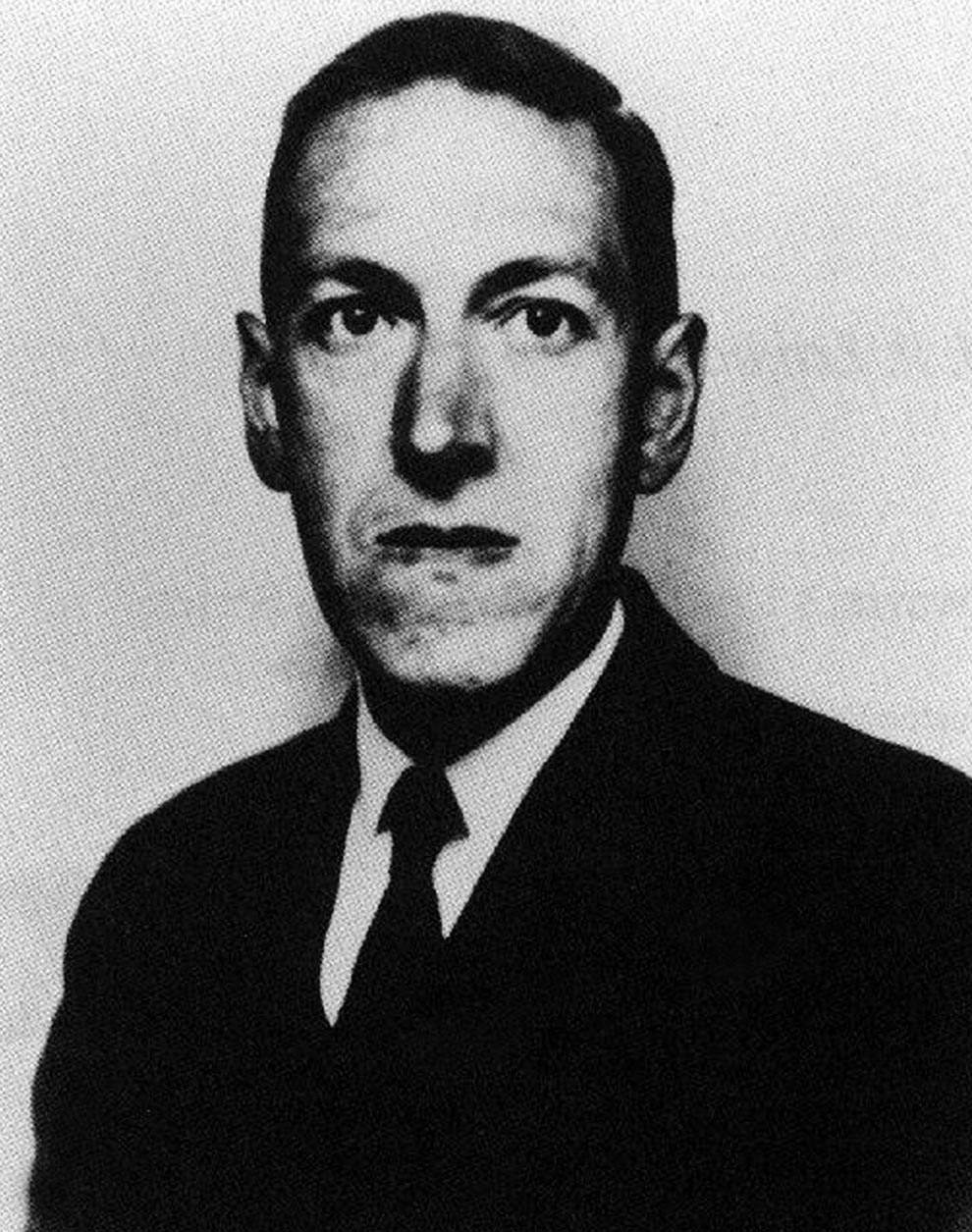
H.P. LOVECRAFT
(1890 - 1937)
BOOKS ::: HORROR :::
Providence Was His Haunted House
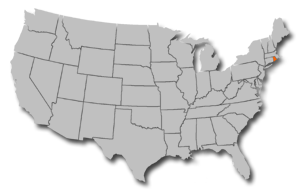
Rhode Island-born, a Mayflower descendant, and a man whose own life sometimes seemed ripped straight from the pages of Weird Tales, H.P. Lovecraft became one of the strangest and most influential figures in American literature. Heir apparent to the throne of Edgar Allan Poe, Lovecraft pushed horror beyond ghosts, graveyards, and things that go bump in the night. His terror came from something much larger: the possibility that humanity was an insignificant accident in a universe populated by ancient forces we could neither understand nor control.
During his lifetime, almost nobody knew it. Lovecraft lived the cliché of the unrecognized artist with uncomfortable precision—financially precarious, published largely in pulp magazines, and dead at forty-six before the enormous cultural afterlife of his work had even begun. Cthulhu, Arkham, Miskatonic University, the Necronomicon and the interconnected mythology that later writers expanded into the so-called Cthulhu Mythos escaped their creator and became part of the vocabulary of modern horror.
But to understand Lovecraft, you have to understand Providence. He didn't simply come from the city. He absorbed it. Its colonial houses, ancient burial grounds, narrow streets, declining families, maritime history and accumulated centuries became raw material for his imagination. Even after an unhappy period living in New York, Providence pulled him home. He walked it obsessively, wrote about it, mythologized it, and transformed recognizable New England geography into a landscape where the familiar could suddenly open onto the incomprehensible.
H.P. Lovecraft wasn't merely from Providence. He was Providence—with the cellar door left open.