
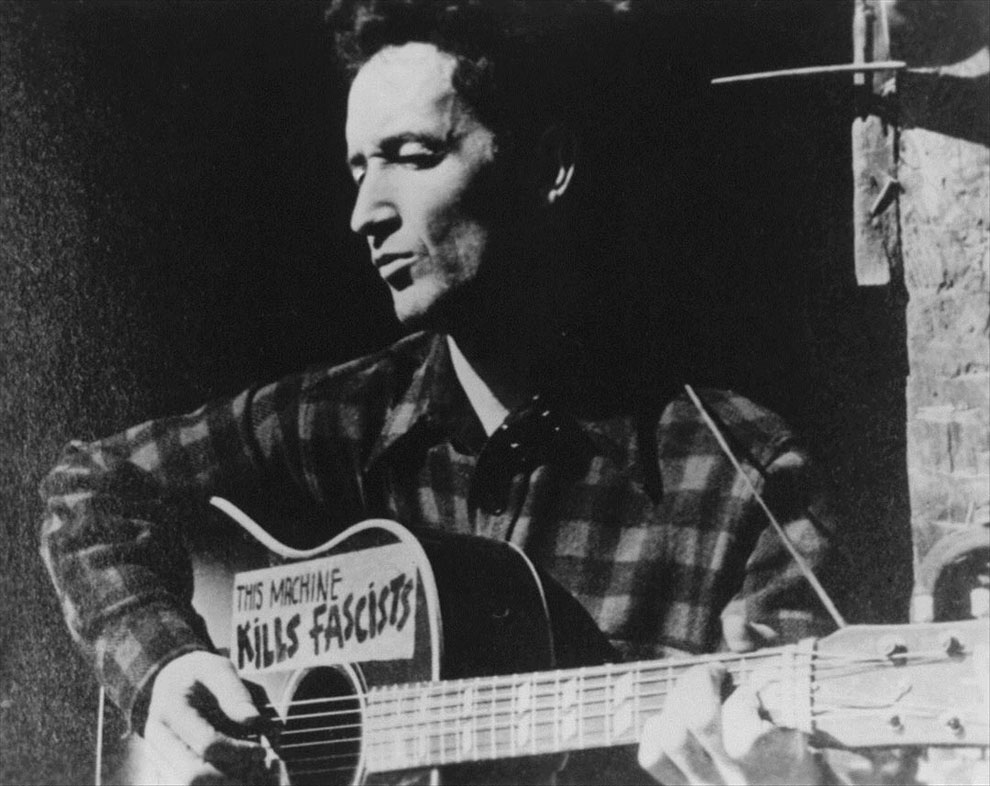
WOODY GUTHRIE (1912–1967)
MUSIC ::: FOLKIE ::: ROUTE 1 PROJECT
Dust Bowl balladeer and American patriot who kept musical score in the cat-and-mouse game between workers and capitalists and farmers and bankers. His guitar killed fascists. The original Bob Dylan and father of Arlo.
Some artists entertain. Others become part of the American landscape.
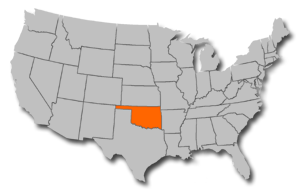
Born on July 14, 1912, in Okemah, Oklahoma, Woody Guthrie spent his life collecting the stories of ordinary people—farmers, migrant workers, railroad travelers, laborers, dreamers and outsiders. His songs transformed everyday experience into American folklore, proving that music could preserve history as powerfully as any newspaper or history book. For Motherlode, Woody represents something even larger than folk music. He reminds us that culture travels. His journey stretched from the Dust Bowl to New York, leaving songs in every town along the way, while inspiring generations of musicians who discovered that three chords could tell the truth.
One of Guthrie's greatest songs, "Pretty Boy Floyd," perfectly captures that philosophy. Rather than glorifying an outlaw, Woody used the Depression-era bank robber to ask uncomfortable questions about justice, poverty and who society chooses to call a criminal. The song became one of the emotional centerpieces of The Byrds' landmark album Sweetheart of the Rodeo, sitting immediately before Gram Parsons' own "Hickory Wind." The sequencing was no accident. Guthrie's portrait of America's forgotten people became the final lesson before Gram found his own voice, linking the great folk tradition directly to the birth of Cosmic American Music.
One of Guthrie's most remarkable stops came at Beluthahatchee, the Florida sanctuary of author and activist Stetson Kennedy near Jacksonville. Living there as Kennedy's guest, Guthrie found both refuge and inspiration, writing dozens of songs while completing Seeds of Man. Their friendship—built on a shared belief in justice, civil rights and the dignity of ordinary people—became one of the great creative partnerships in American cultural history. During Motherlode's Route 1 Project, Woody Guthrie became a constant companion—not because he traveled America's oldest highway, but because his songs had already mapped the America we were exploring. They remind us that every road has a history, every community has a voice and every journey is ultimately about the people who give a place its character.