
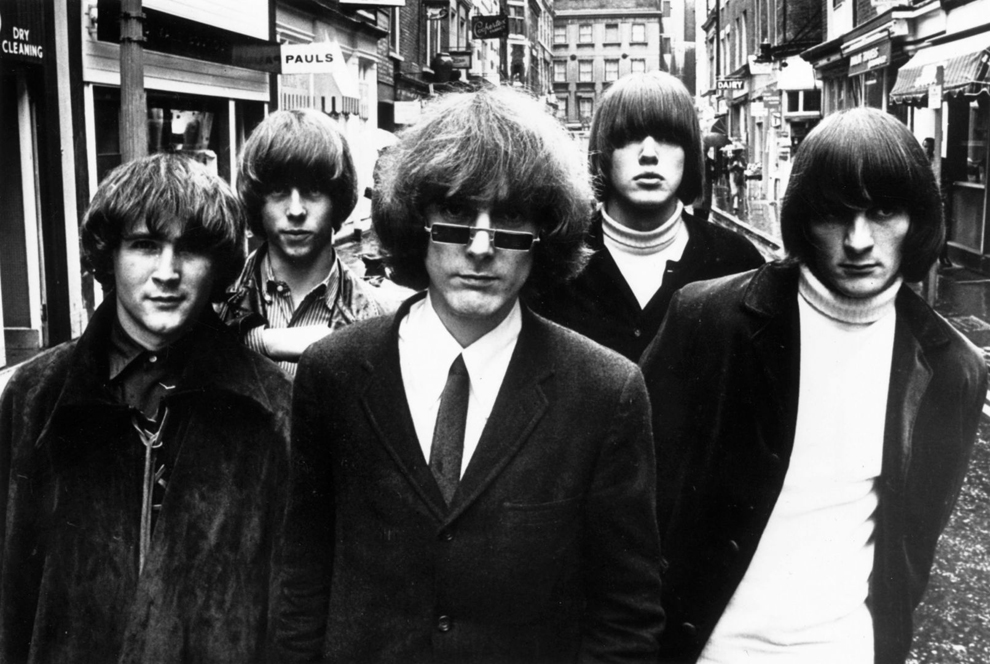
ROGER MCGUINN
(1942 - )
MUSIC ::: COUNTRY ::: GRAM ::: ROCK & ROLL :::
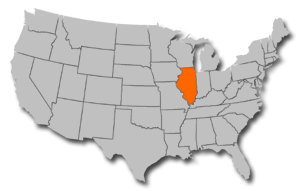
He honed his craft in coffeehouses around Chicago in the late 1950s as a back-up singer, proficient guitarist and formidable banjo player. He was taken under wing by the singer Bobby Darin who was transitioning from life as a 50s teen idol (Splish Splash) into a 60s protest singer. When Darin's health issues crippled his career, Roger headed west where he landed onstage at the Troubadour which at the time was the epicenter of LA's emerging rock scene.
Inspired by equal part Dylan and the newly found success of The Beatles, McGuinn became a founding member of the notorious Byrds which may well be the most important Atlantic-side contribution to 1960s rock. His 12-string jingle-jangle sound mystified even George Harrison who soon assimilated Roger's styling. His granny glasses became all the rage to boot.
After riding a wave of success re-imagining Dylan (Mr. Tamborine Man) and redefining pop radio (Eight Miles High) The Byrds detoured into the unknown resurrecting McGuinn's first love of country music when he joined forces with Gram Parsons to pioneer the alt-country masterpiece Sweetheart Of The Rodeo. The radical departure left many fans scratching their heads but has since proven to be yet another amazing contribution to his legacy.
In the tail-end of what was once The Byrds, McGuinn had one last trick up his sleeve delivering the classic epic Chestnut Mare.
.SWEETHEART OF THE RODEO
When Sweetheart of the Rodeo was released in 1968, it bewildered almost everyone. The Byrds had built their reputation on electrified folk-rock, psychedelic experimentation and chart-topping hits like "Mr. Tambourine Man," "Turn! Turn! Turn!" and "Eight Miles High." Suddenly they were wearing Nudie suits, recording traditional country songs in Nashville and sharing the spotlight with a young newcomer named Gram Parsons. Many fans and critics dismissed the album as commercial suicide. History would prove the opposite. Today, Sweetheart of the Rodeo is recognized as one of the most influential albums ever recorded, laying the foundation for country rock, Americana and the movement Gram Parsons would later call Cosmic American Music.
The album represented far more than a change in musical style. Roger McGuinn, Chris Hillman and Gram Parsons weren't abandoning rock & roll—they were reconnecting it with its American roots. The songs pointed listeners toward The Louvin Brothers, Merle Haggard, Buck Owens, Woody Guthrie, traditional gospel and Appalachian harmony, reminding a generation raised on the British Invasion that many of rock's greatest ideas had first been born in country, folk and blues. In many ways, Sweetheart of the Rodeo became a musical road map, encouraging listeners to travel backward through American music in order to better understand where it was going.
Although Gram Parsons left The Byrds before the album was released, Sweetheart of the Rodeo became the turning point that shaped everything that followed. Without it, there is no Flying Burrito Brothers, no GP, no Grievous Angel, no Eagles, no Uncle Tupelo, no Wilco and perhaps no modern Americana movement. More importantly, the album changed the way musicians listened. Rather than inventing a new genre, Sweetheart of the Rodeo reminded America that its greatest musical traditions had been connected all along.
HICKORY WIND
Few songs are more closely identified with Gram Parsons than "Hickory Wind." Co-written with Bob Buchanan, the song first appeared on Sweetheart of the Rodeo in 1968 and immediately revealed a side of Parsons that few listeners had previously encountered. Although Gram grew up amid privilege in Florida, "Hickory Wind" expresses a universal longing for innocence, home and the quiet certainty of youth. It is less a place than a state of mind—a search for peace that becomes more elusive with every passing mile.
The song also marked the emotional heart of Sweetheart of the Rodeo. Surrounded by classic country songs and traditional influences, "Hickory Wind" stood apart because it wasn't a reinterpretation of America's musical past—it was Gram Parsons' own contribution to it. Drawing upon the storytelling of Merle Haggard, the harmonies of the Louvin Brothers and the emotional honesty of George Jones, Parsons created something entirely personal. His fragile vocal, filled with both hope and regret, became one of the defining performances of the Americana movement.
More than half a century later, "Hickory Wind" remains the song that best explains Gram Parsons. It captures the contradiction at the center of his life: a young man surrounded by opportunity who spent his career searching for something money could never buy. In the process, he wrote a song that has become a touchstone for generations of musicians. "Hickory Wind" is not simply about looking back. It is about the lifelong search for the place where the heart finally comes to rest.