
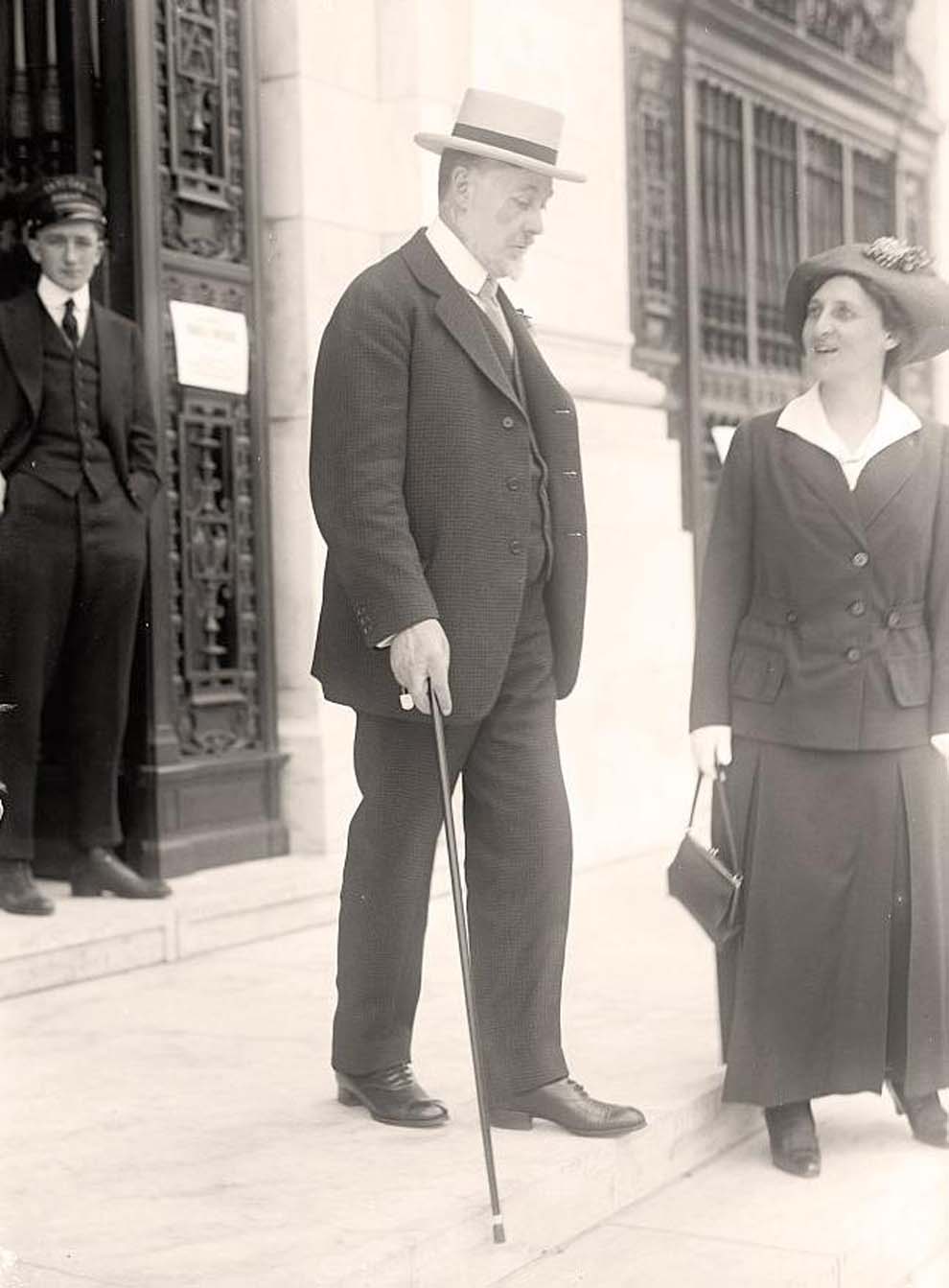
CHARLES R. CRANE
(1858–1939)
POLITICS ::: MUCHOLAPKA ::: PHILANTHROPY ::: CULTURE :::
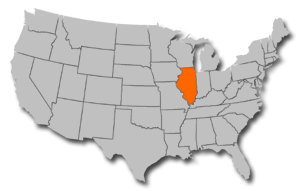
Charles Richard Crane is one of those figures who seems to appear whenever the twentieth century is about to take an unexpected turn. The son of Chicago industrialist Richard Teller Crane, he grew up inside the enormous plumbing and manufacturing empire that became Crane Company, eventually serving as its first vice president. But rather than spending his life simply managing the family fortune, Crane turned outward. Beginning in the 1880s, he traveled repeatedly to Russia, developed business and cultural relationships there, helped establish a Crane factory in St. Petersburg, and became deeply interested in the languages, politics, and cultures of the Slavic world. His involvement eventually extended to the University of Chicago and the promotion of Slavic studies, while his international business experience carried him farther east into China and eventually into American diplomacy.
Then the connections become extraordinary. Crane's fascination with Slavic culture brought him into the orbit of Tomáš Garrigue Masaryk, the philosopher and political leader who would become the first president of Czechoslovakia, and Alphonse Mucha, the Czech artist known around the world for his spectacular Art Nouveau imagery. When Mucha conceived an almost impossibly ambitious cycle of monumental paintings telling the history of the Slavic peoples, Crane supplied the financial backing that allowed him to pursue it. Over nearly two decades, Mucha created the twenty enormous canvases known collectively as The Slav Epic. Crane wasn't merely buying paintings; his patronage helped make possible one of the great cultural statements of the Czech national awakening.
That is what makes Charles Richard Crane so fascinating to Motherlode. Follow him in one direction and you arrive in industrial Chicago; another leads to imperial Russia and St. Petersburg; another to China; another to Masaryk and the emergence of an independent Czechoslovakia; another to Mucha standing before canvases large enough to fill a room. Crane operated in that peculiar territory where money, art, politics, philanthropy, nationalism, and personal relationships collide. He isn't remembered like the presidents, artists, and revolutionaries surrounding him, yet once you discover him, he becomes difficult to avoid. Sometimes the most revealing way into history isn't through the person standing at center stage. It's through the person who keeps opening the doors.