
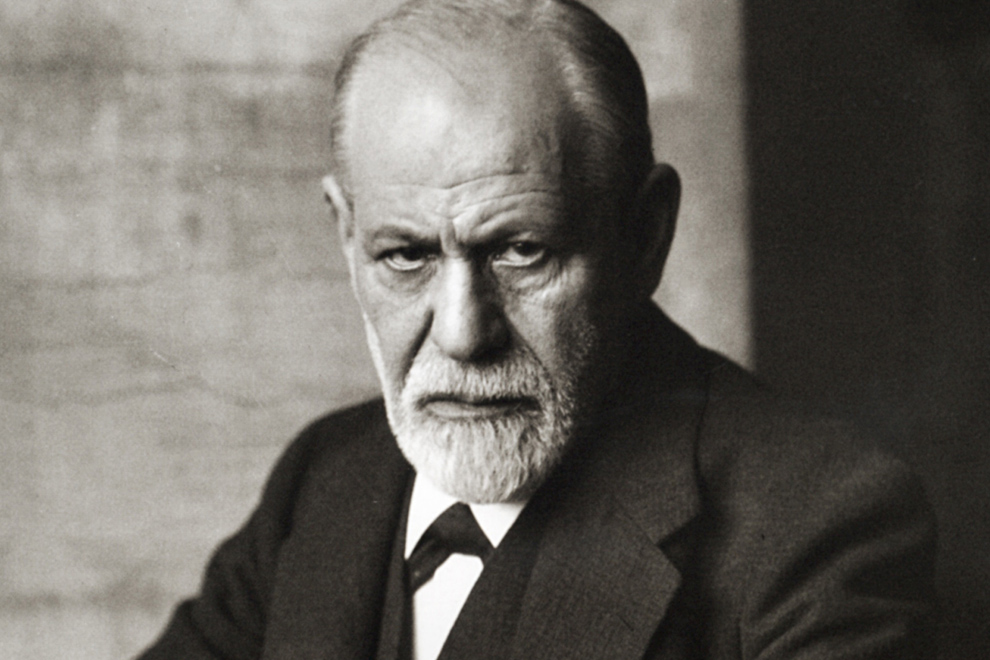
SIGMUND FREUD
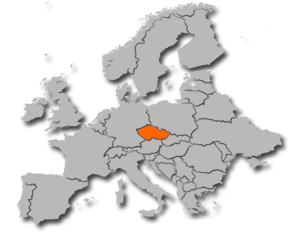
(1856–1939)
POLITICS: ::: PHILOSOPHER ::: MUCHOLAPKA :::
Born in Příbor, Moravia—then part of the Austrian Empire and today in the Czech Republic—Sigmund Freud became one of the most influential thinkers of the modern age. Although he spent most of his career in Vienna, Freud never lost his connection to Central Europe's complex cultural landscape. As the founder of psychoanalysis, he proposed that much of human behavior is driven not by conscious reason but by hidden desires, memories and conflicts buried within the unconscious mind. His work transformed psychology while profoundly influencing literature, art, philosophy and the twentieth century's understanding of the human condition.
Freud's influence reached far beyond medicine. His theories of dreams, repression, sexuality and the unconscious inspired generations of writers, filmmakers, artists and intellectuals while provoking fierce debate among scientists and philosophers. His early collaboration with Carl Jung helped establish modern depth psychology before the two men famously parted ways over the nature of the unconscious and the role of spirituality. Their intellectual split became one of the defining intellectual dramas of the twentieth century, producing two radically different visions of the human mind.
Like Alphonse Mucha and Václav Havel, Freud emerged from the remarkable cultural crossroads of Central Europe, where borders shifted more often than ideas. The same region that produced Art Nouveau masterpieces, democratic revolutions and avant-garde theatre also gave birth to a new way of understanding the self. Forced to flee Vienna after the Nazi annexation of Austria in 1938, Freud spent the final year of his life in London. His legacy endures not because every theory survived scientific scrutiny, but because he permanently altered the questions we ask about ourselves, revealing that beneath every public history lies a private one waiting to be understood.