
ROSA PARKS
(1913 - 2005)
POLITICS ::: ACTIVIST :::
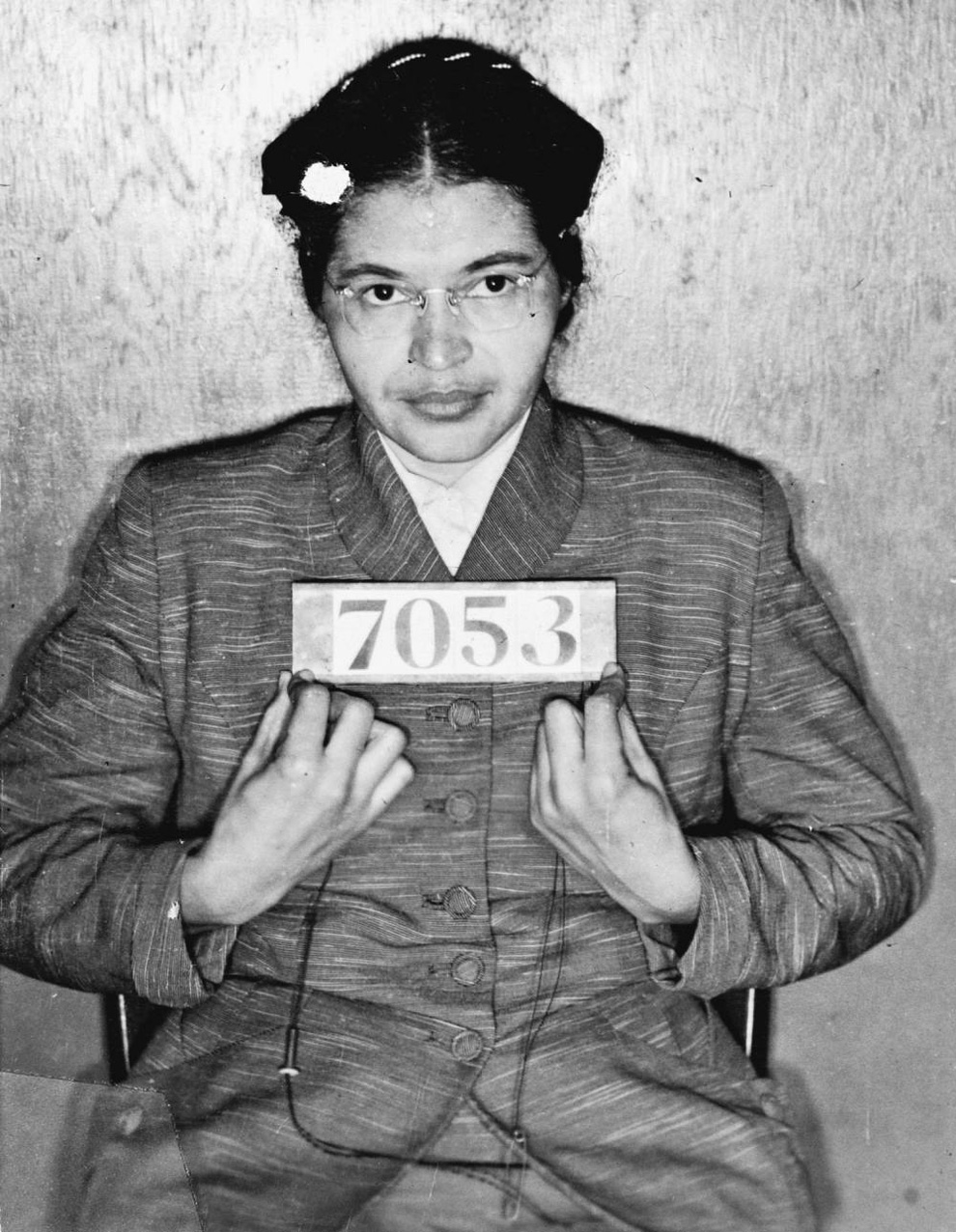
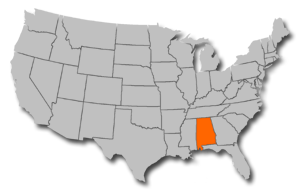
Rosa Parks was born on February 4, 1913, in Tuskegee, Alabama, and would come to be known—accurately, if incompletely—as the First Lady of Civil Rights. Her legacy is often flattened into a single moment of quiet refusal, but Parks was never accidental or passive. She understood dignity as discipline and resistance as a daily practice, shaped by a lifetime of witnessing racial violence, humiliation, and exclusion in the Jim Crow South.
On December 1, 1955, Parks’ refusal to surrender her bus seat in Montgomery ignited the Montgomery Bus Boycott, a 381-day mass action that reshaped American protest politics. The boycott brought Martin Luther King Jr. to national prominence and demonstrated the power of collective, nonviolent civil disobedience. Parks’ act was not spontaneous—it was strategic, informed by her training, her political clarity, and her belief that unjust laws demand confrontation.
Long before Montgomery, Parks was an organizer and investigator for the NAACP, documenting racial violence and sexual assault against Black women—work that placed her at real personal risk. Her influence extended beyond the language of respectability into the broader currents of Black Power, not as a slogan but as a philosophy of self-determination and moral authority. Rosa Parks didn’t just refuse a seat; she redefined citizenship, proving that disciplined resistance—grounded in community and conviction—could fracture the machinery of injustice and force a nation to reckon with itself.