Updated 2026
From the Underground Out
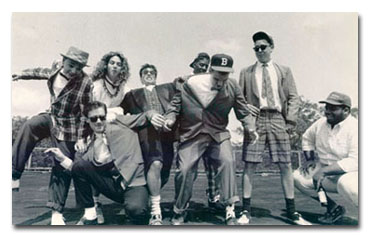
The Mighty Mighty Bosstones emerged from Boston in the mid-1980s, when Dicky Barrett’s grounding in hardcore collided with the Jamaican and British ska records that had reached him as a teenager in Norwood. Guitarist Nate Albert, bassist Joe Gittleman, drummer Josh Dalsimer, saxophonist Tim “Johnny Vegas” Burton and the ineffable Ben Carr formed the early core. The group’s inability and refusalto fit a recognized category eventually produced its own name: ska-core.
One Way Productions occupies a specific place at the beginning of that story. Between 1985 and 1987, early Bosstones masters were recorded at Newbury Sound and Fort Apache South. The surviving One Way page credits production to Rob Dimit. “Drunks & Children,” “Wallet” and “The Cave” were later placed at the head of One Way’s sixteen-track compilation Dig the Boston Underground, returning the band’s earliest period to the community from which it came.
The Bosstones’ debut album, Devil’s Night Out, followed on Taang! in 1989. Their combination of ska rhythm, hardcore impact, horns, plaid and organized stage chaos built an audience through relentless touring. After signing with Mercury, the band reached its commercial peak with 1997’s platinum Let’s Face It and “The Impression That I Get,” a modern-rock number one that carried a distinctly Boston sound into international popular culture.
The band’s annual Hometown Throwdown made success answerable to home. A hiatus interrupted the run in the 2000s, but the Bosstones returned with new records beginning in 2009. When God Was Great, released in 2021, became their eleventh studio album. In January 2022 the band announced that it would not continue, closing that chapter after more than three decades.
The members kept moving. Barrett formed The Defiant; Gittleman launched The Kilograms; Tim Burton, Chris Rhodes and other alumni continued through ska and punk projects. Barrett’s Norwood upbringing also anchors the Bosstones inside SONO’s account of nationally consequential music emerging from South Norwood. The One Way recordings remain the starting evidence: before the platinum record, the major label and the world tours, a new Boston language was being caught on tape.