EXPLORE SONO: THE PRESS
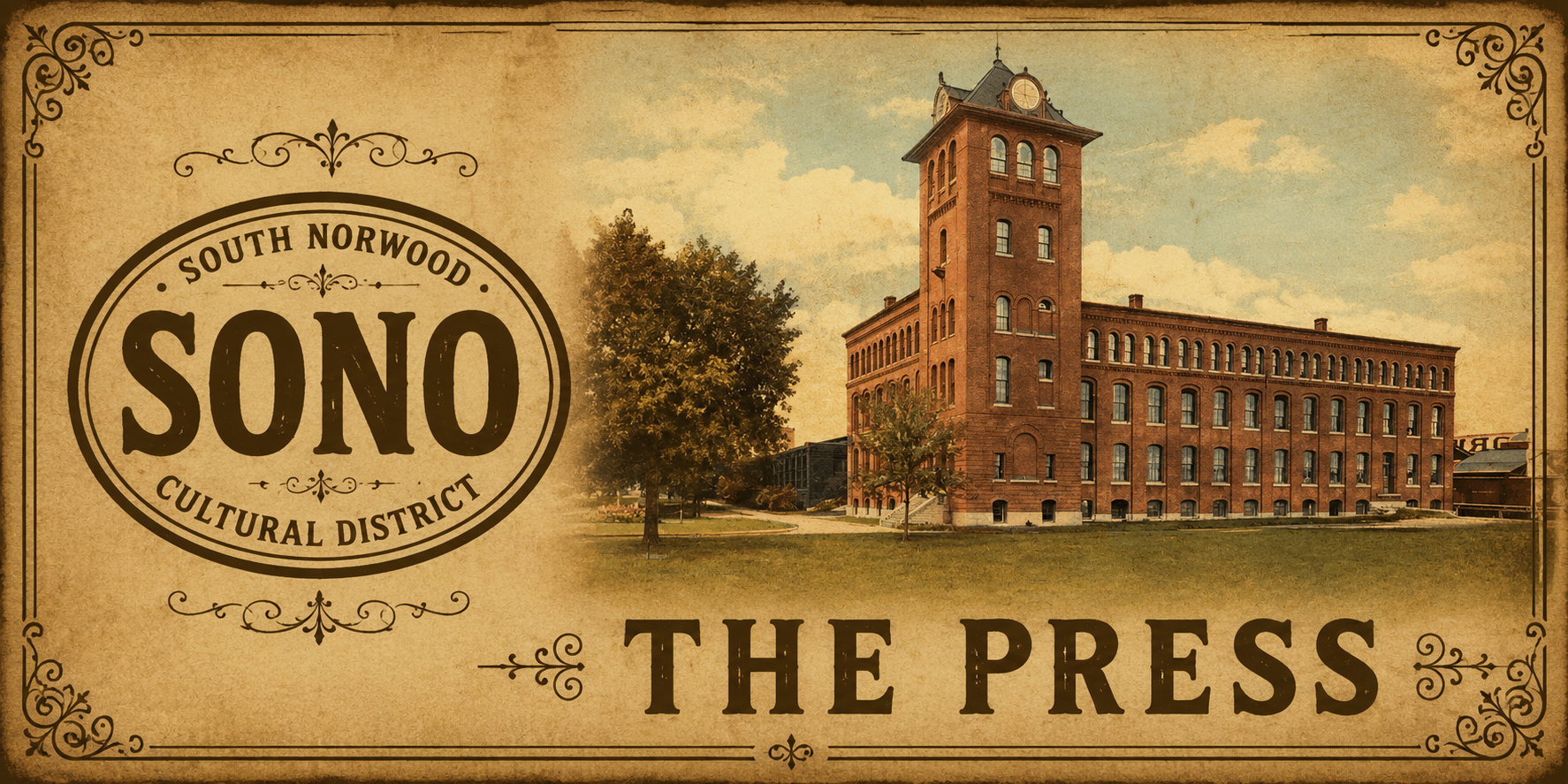
Great ideas rarely change the world on manuscripts alone. They require editors willing to champion new voices, publishers willing to take risks, printers capable of extraordinary craftsmanship, skilled binders, ink makers, and thousands of workers who transform words and images into books that can travel. During the late nineteenth and early twentieth centuries, Norwood became one of those remarkable places where culture was not only imagined—it was manufactured.
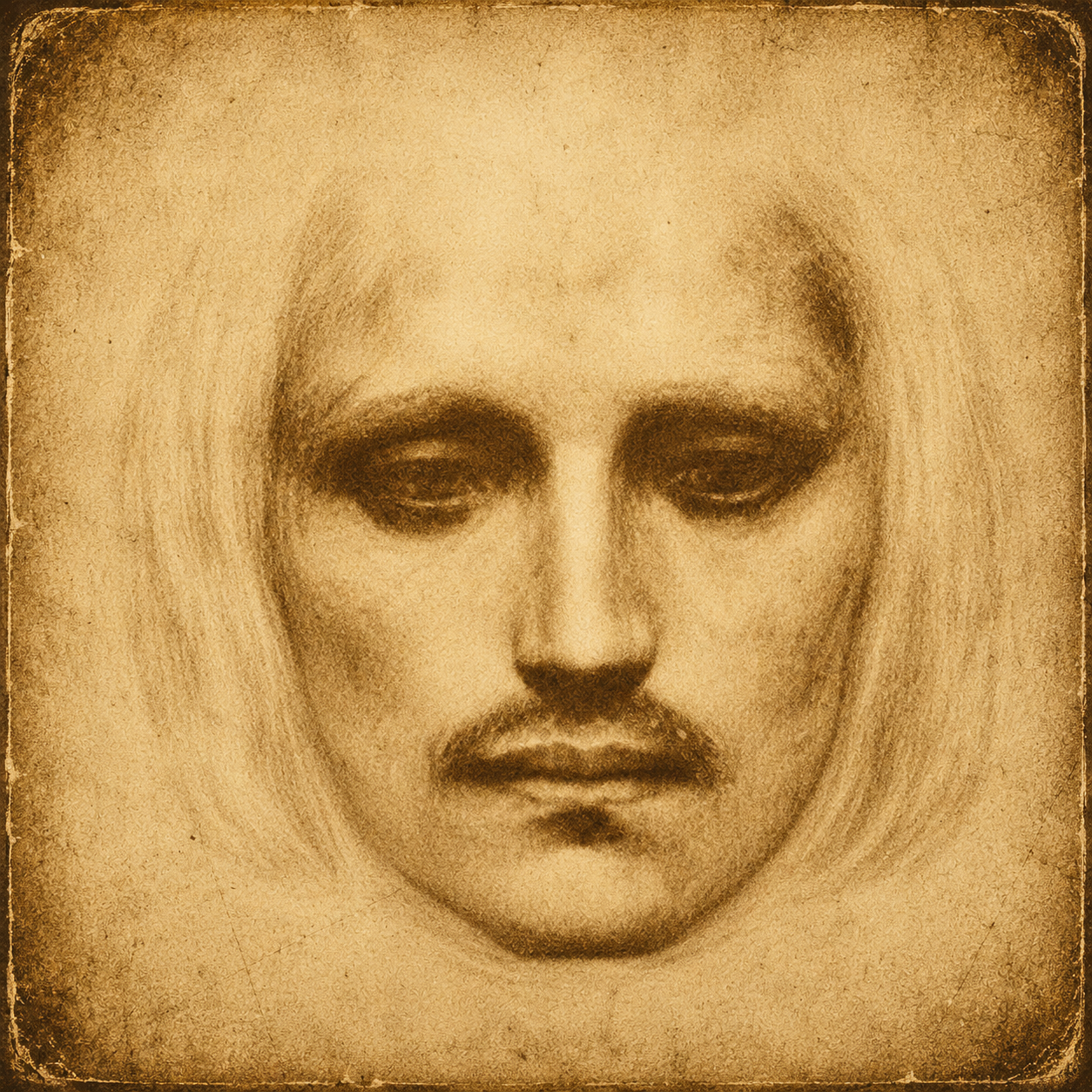
Today the names of the Plimpton Press, the Norwood Press, and the George H. Morrill Company are largely forgotten outside historical circles. Yet the books that emerged from their presses found readers around the globe. Works like The Prophet by Kahlil Gibran and Edward S. Curtis's monumental The North American Indian demonstrate that Norwood was part of a much larger story, helping transform manuscripts into enduring works that shaped literature, photography, art, and American cultural history.
This is not simply the history of a printing company. It is the story of an extraordinary creative ecosystem. Publishers like Copeland & Day championed new ideas. Printers and bookbinders at the Plimpton Press gave those ideas physical form. The George H. Morrill Company supplied the ink that carried words to millions of readers. Together they reveal an overlooked truth: long before the digital age, Norwood helped ideas travel the world—one beautifully crafted book at a time.