
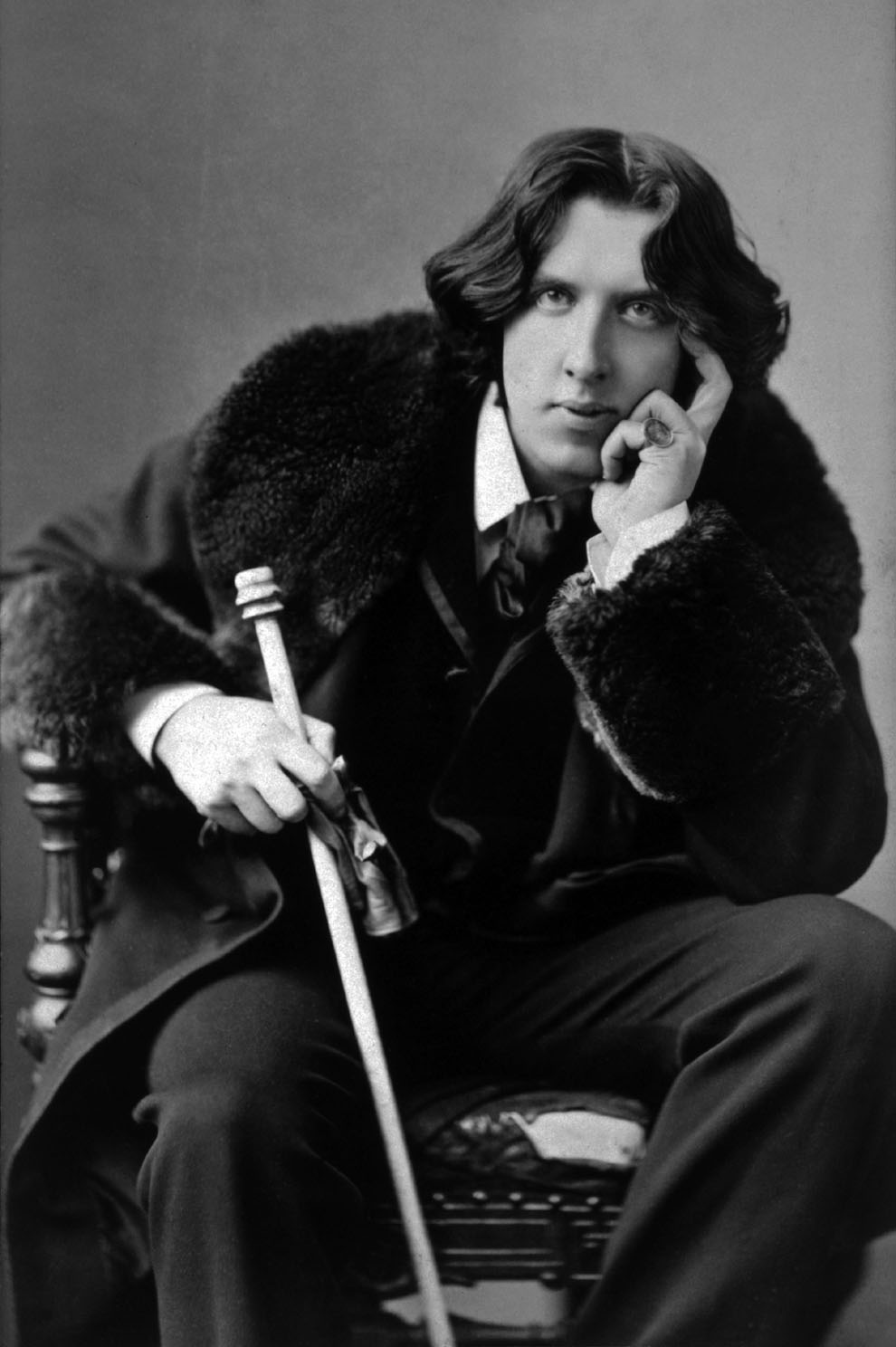
OSCAR WILDE
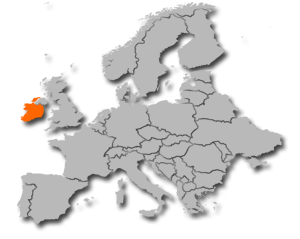
(1854 – 1900)
BOOKS ::: PLAYWRIGHT ::: SONO :::
Oscar Wilde never called Norwood home, yet few places in America played a more important role in preserving his legacy than the remarkable artistic circle that formed there around F. Holland Day. As one of the leading voices of the Aesthetic Movement, Wilde believed that art should inspire, provoke, and transform everyday life. Those same ideals found an eager champion in Day, who became one of Wilde's most important American friends and supporters, helping introduce and promote Wilde's work for American audiences through the publishing house of Copeland & Day.
When Wilde was imprisoned in 1895, many former admirers turned away. F. Holland Day did not. At considerable personal and professional risk, Day continued to defend Wilde when few others would. That loyalty reflected a creative network whose influence reached far beyond Norwood. Through Day's friendships, the publishing house of Copeland & Day, and his artistic collaborations, Norwood became connected to figures including Aubrey Beardsley, Alvin Langdon Coburn, Edward Steichen, Alfred Stieglitz, and Kahlil Gibran—artists, writers, photographers, publishers, and visionaries whose work helped shape modern literature, photography, publishing, and the visual arts.
Oscar Wilde's connection to Norwood reminds us that remarkable cultural history is often hidden in unexpected places. Behind quiet streets and familiar buildings lies a story of international artistic exchange, where ideas traveled between New England and Europe through friendship, publishing, photography, and art. That extraordinary legacy now serves as one of the foundations of SONO, South Norwood's Cultural District, where Norwood's creative past continues to inspire the artists, entrepreneurs, musicians, independent businesses, and community organizations shaping its future.