
NORWOOD 150 (2021)
SONO ::: F. HOLLAND DAY ::: ART :::
This is a true story.
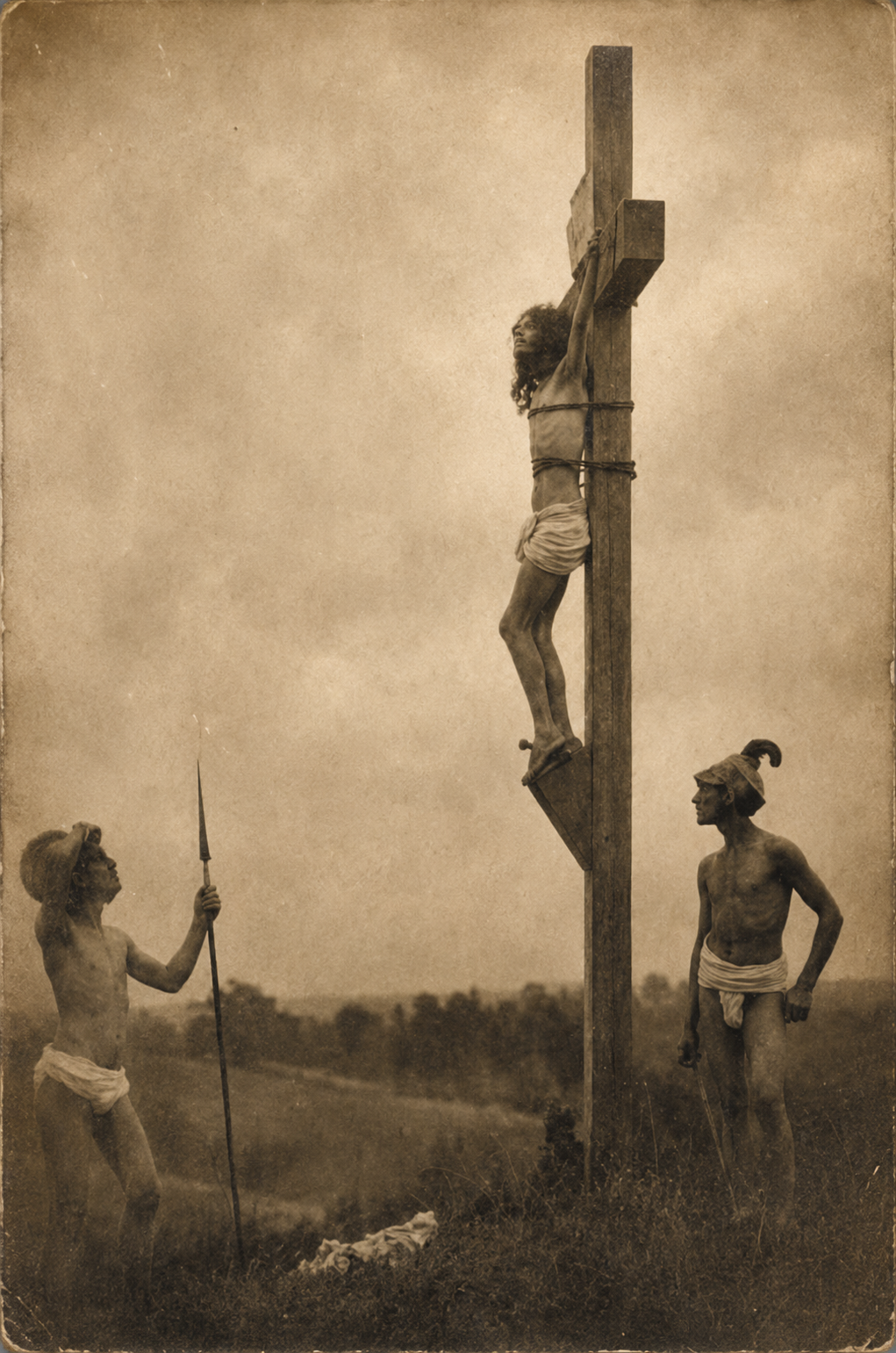
A few years ago I found myself in a meeting in Norwood, Massachusetts, trying to explain why a long-forgotten photographer named Fred Holland Day mattered. I began with a metaphor. I asked everyone to imagine the world as a giant puddle and Norwood as a rock. When you drop a rock into a puddle, the ripples spread outward until they eventually reach the edge of the water where it meets the land. "Fred Holland Day is that rock," I told them. What happened in this little town had international consequences. Day helped establish photography as a fine art. He mentored Alvin Langdon Coburn, one of the great pioneers of modern photography. He discovered and championed a young immigrant named Kahlil Gibran, who would go on to write The Prophet. Through his publishing company, Copeland & Day, he introduced Oscar Wilde's Salome to American audiences and became an important patron of Aubrey Beardsley, whose work today hangs in major museums and commands enormous prices. I looked around the room expecting excitement. Instead, I found silence.
Finally, a local business owner spoke up. "Um... wasn't there some messed up stuff around him?" The implication was obvious. A major portion of Day's work involved male nudes, including young men. I had already gone down that rabbit hole. I had spent months reading everything I could find about him. As far as the historical record shows, his photographs were made openly, often in the presence of parents and family members, and were understood by everyone involved as works of art. There is no documented evidence of criminal behavior. He may have been a closeted homosexual. He may have been celibate. The truth is that nobody really knows. So I asked the question directly. "Are you implying that Fred Holland Day was a pedophile? Because as far as anything documented about Day, there is zero evidence for that." The room remained quiet.
At that point I tried to explain something that Motherlode had taught me. For years I have focused on people who changed the world but somehow slipped through the cracks of history. I have intentionally stayed away from infamy. Charles Manson doesn't have a page on Motherlode. But a strange thing happened during my research. I discovered that nobody survives the microscope. Nobody. Gandhi? Dig deep enough and you will find views on race that are deeply troubling. Mother Teresa? Same thing. Human beings are complicated. The deeper you go, the less likely you are to find saints. History is not populated by statues. It is populated by people. At that moment the vice president of a local bank suddenly jumped out of his chair and shouted, "I AM A CHRISTIAN!" The words hung in the room. Nobody moved. Nobody spoke. Eventually he sat back down and I quietly packed up my presentation.
The older I get, the more I think the room missed the point. Fred Holland Day is not important because he was perfect. He wasn't. Neither was Gandhi. Neither was Mother Teresa. Neither was almost anyone worth studying. Day matters because the ripples are real. Photography became fine art. Kahlil Gibran became one of the most widely read authors in history. Oscar Wilde became canonical. Aubrey Beardsley became museum-worthy. The world eventually embraced many of the ideas that Fred Holland Day spent his life championing. The strange part is that the man himself was largely forgotten. For now. Because I still believe those ripples are moving outward from that little rock dropped into the puddle in Norwood. And I still believe that one day people will discover Fred Holland Day the same way they discovered Wilde, Beardsley, Gibran, and Coburn. Fred Holland Day will one day be a pop star. You heard it here first.