
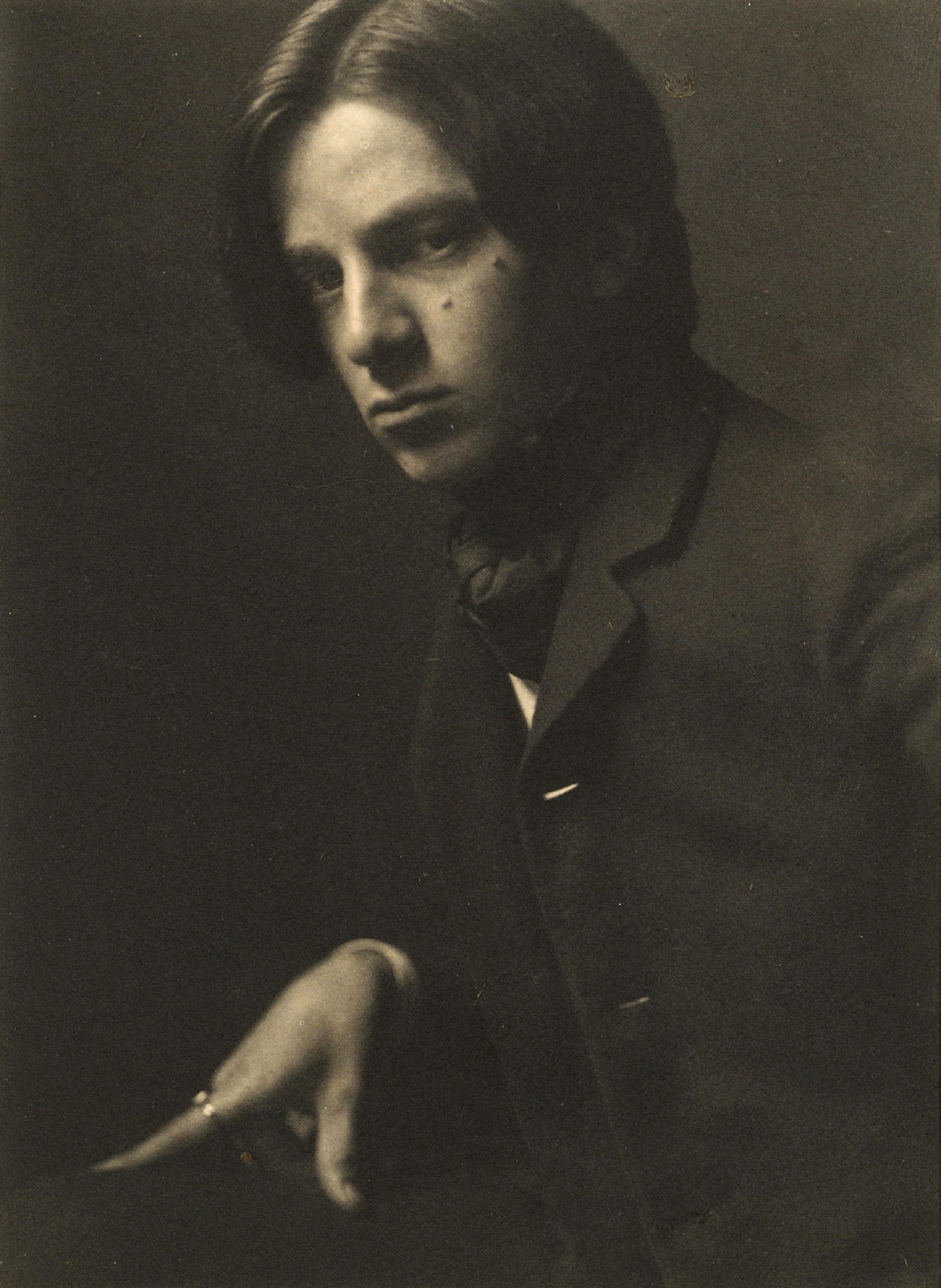
Self-Portrait at Age 23 - 1905
ALVIN COBURN
(1882 - 1966)
ART ::: PHOTOGRAPHER ::: MYSTIC ::: BOSTON 400 ::: SONO
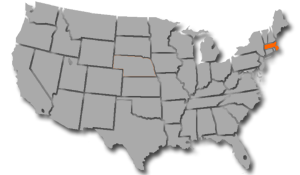
Norwood, Massachusetts, occupies a remarkable place in the history of photography. Alvin Langdon Coburn's extraordinary career can be traced to the artistic circle fostered by his cousin, F. Holland Day, whose home on Day Street became an extraordinary gathering place for writers, publishers, photographers, and artists at the turn of the twentieth century. United by the belief that photography could stand alongside painting and literature as a true art form, this remarkable community helped shape one of photography's greatest innovators.
Coburn would go on to photograph many of the defining cultural figures of his era, including George Bernard Shaw, Henry James, H.G. Wells, Auguste Rodin, Ezra Pound, Theodore Roosevelt, and W.B. Yeats. His atmospheric landscapes, cityscapes, and groundbreaking Vortographs placed him among the leading photographers of the twentieth century. Behind that international career stood the influence of F. Holland Day and a remarkable creative community that flourished in Norwood—a circle whose influence reached far beyond Massachusetts and intersected with figures such as Oscar Wilde, Aubrey Beardsley, Edward Steichen, Alfred Stieglitz, and, later, Kahlil Gibran.
Norwood's connection to Alvin Langdon Coburn reveals a chapter of American cultural history that remains surprisingly little known. What appears to be a quiet New England town once nurtured an international circle of artists, writers, publishers, and photographers whose influence reached far beyond Massachusetts. That remarkable heritage forms one of the foundations of SONO, South Norwood's Cultural District, where Norwood's rich cultural legacy continues through today's artists, musicians, entrepreneurs, creative businesses, and community organizations. By celebrating the past while supporting the people shaping its future, SONO invites a new generation to discover why Norwood has always been a place where creativity thrives.