
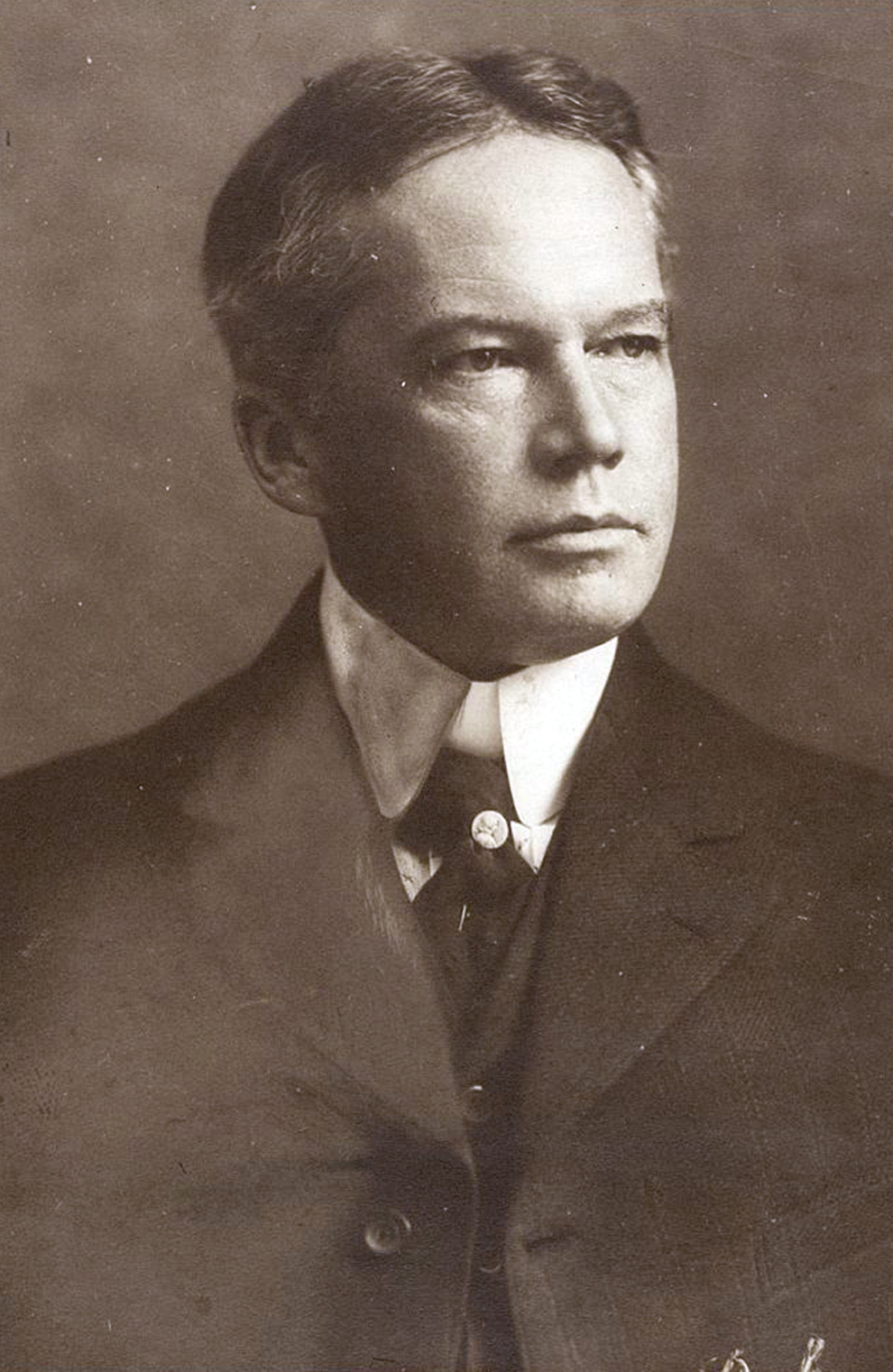
CHARLES EDWARD RUSSELL

(1860 – 1941)
BOOKS: :::
POLITICS: ::: JOURNALIST :::
Charles Edward Russell inherited a newspaper—and transformed journalism into an instrument of reform. Born in Davenport, Iowa, in 1860, he grew up in the offices of the Davenport Gazette, where his father, abolitionist editor Edward Russell, taught him that a free press carried both privilege and responsibility. Russell carried that lesson to the national stage, becoming one of the defining muckrakers of the Progressive Era. Through fearless investigations into corporate monopolies, political corruption, racial injustice, poverty, and labor conditions, he demonstrated that journalism could do more than report events—it could expose the systems behind them.
Russell believed that writers belonged in the public square. A founding member of the National Association for the Advancement of Colored People (NAACP), he belonged to the remarkable generation of reformers that included Jane Addams, Upton Sinclair, and W. E. B. Du Bois, advocating for civil rights, labor reform, women's suffrage, and economic justice throughout his career. In 1928 he received the Pulitzer Prize for Biography for The American Orchestra and Theodore Thomas, proving that his curiosity extended as naturally to music and culture as it did to politics. Whether writing about orchestras or monopolies, Russell saw culture and democracy as inseparable.
Motherlode remembers Charles Edward Russell because he believed journalism was not simply a profession, but a public responsibility. He understood that facts have the power to challenge injustice, expose corruption, and strengthen democracy when placed in the hands of an informed public. Long before investigative reporting became a recognized profession, Russell demonstrated that truth, courage, and persistence could help change the course of history. His legacy reminds us that the strongest journalism does more than explain the world—it gives us the courage to improve it.