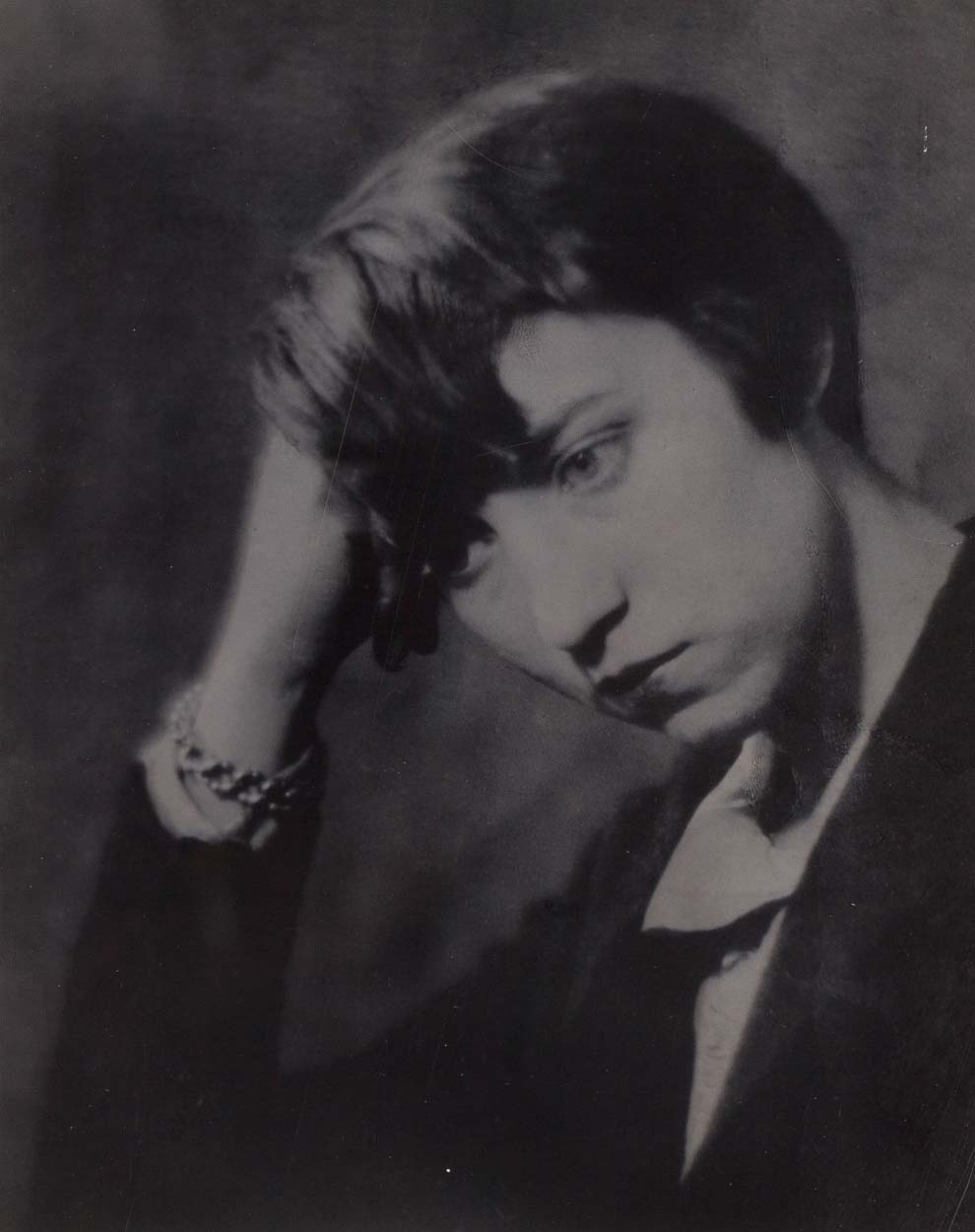
BERENICE ABBOTT (1898–1991)
ART ::: PHOTOGRAPHY ::: ROUTE 1 PROJECT
"The world doesn't like independent women. Why, I don't know. I don't care."
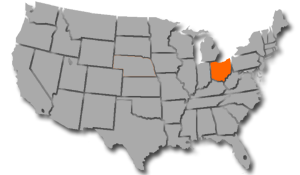
She left Ohio for Greenwich Village in 1918, where the bohemian world quickly replaced the classroom. Before long she was in Europe, studying sculpture in Berlin before settling in Paris, where Man Ray hired her as his darkroom assistant. There Abbott discovered that her real medium wasn't sculpture at all—it was photography. Her portraits of the Paris avant-garde, her tireless championing of Eugène Atget, and her landmark Changing New York project would establish her as one of the twentieth century's most influential photographers.
Abbott believed photography should do more than make beautiful pictures. It should record a changing world before it disappeared. Whether documenting New York's transformation, creating groundbreaking scientific photographs, or preserving everyday American life, she approached the camera as both an artist and an eyewitness. Her pictures remain remarkable not because they are nostalgic, but because they capture places and moments on the brink of becoming history.
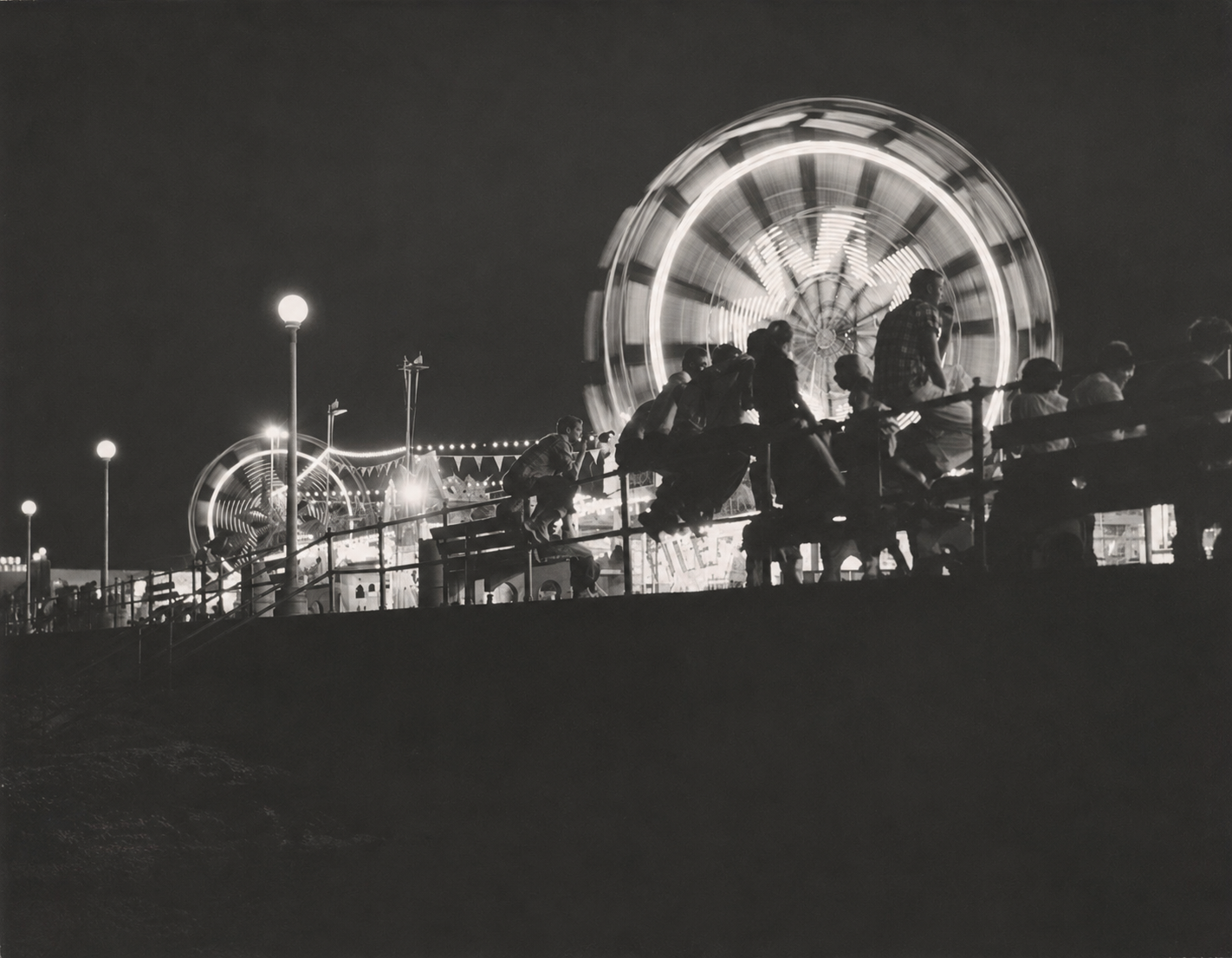
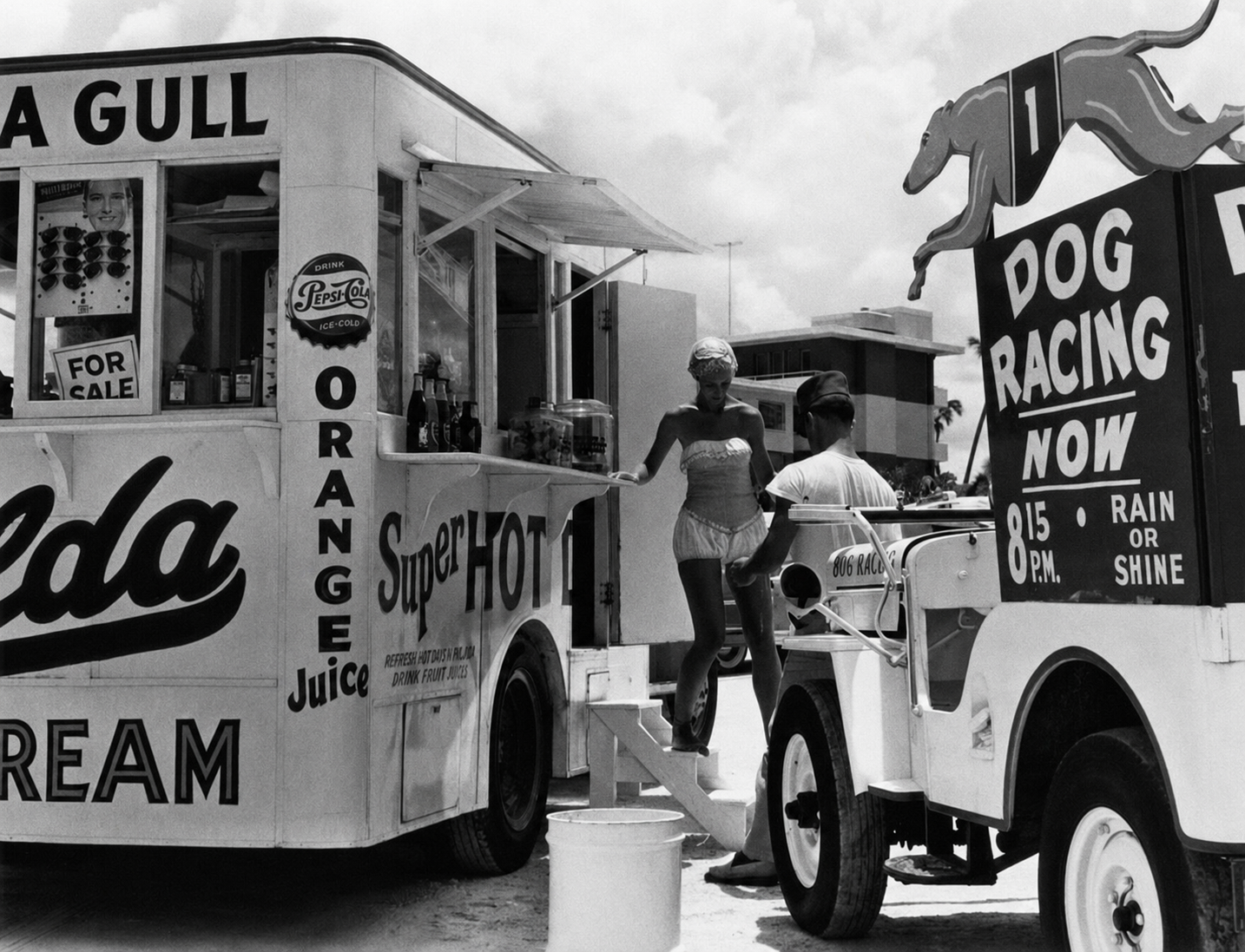
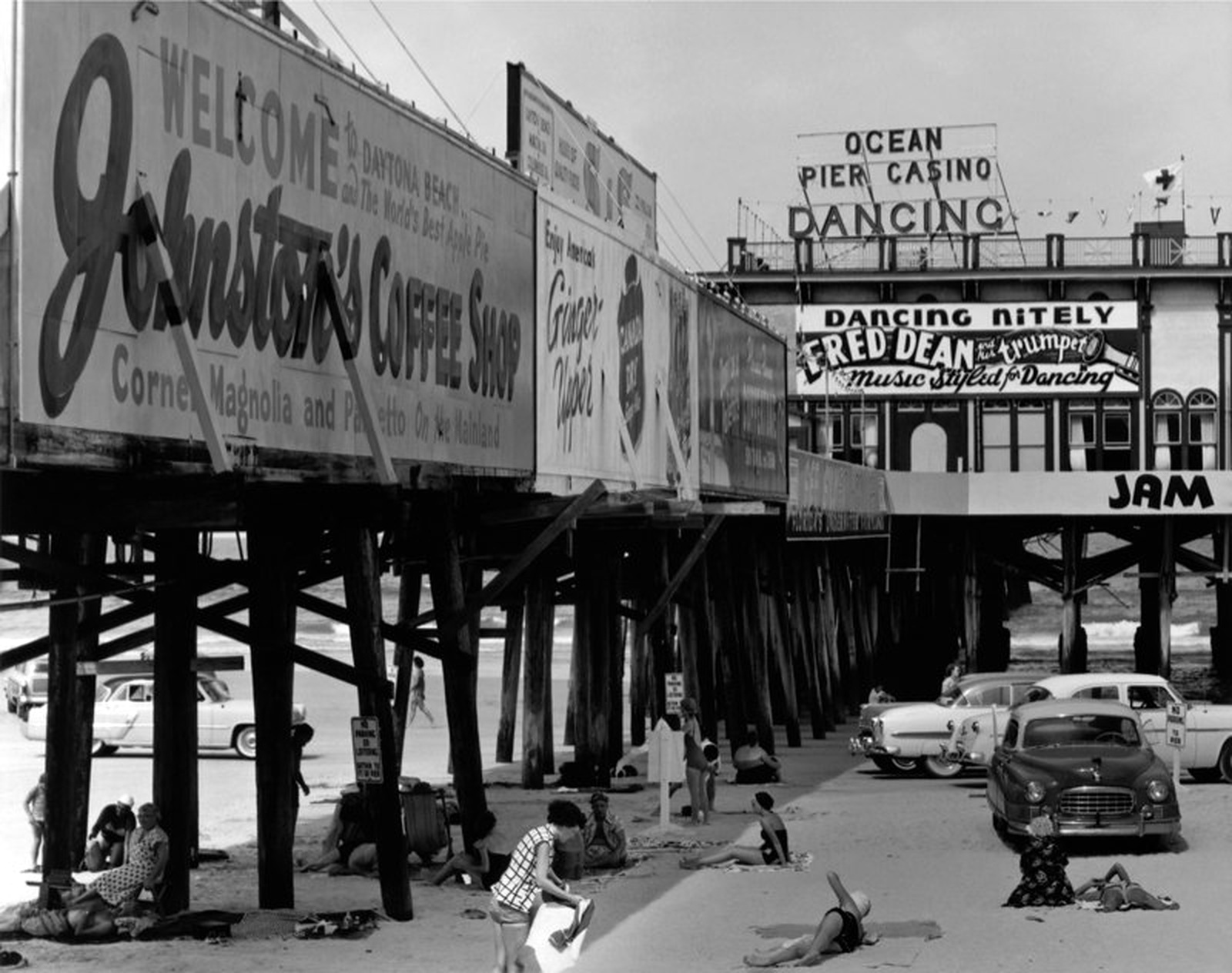
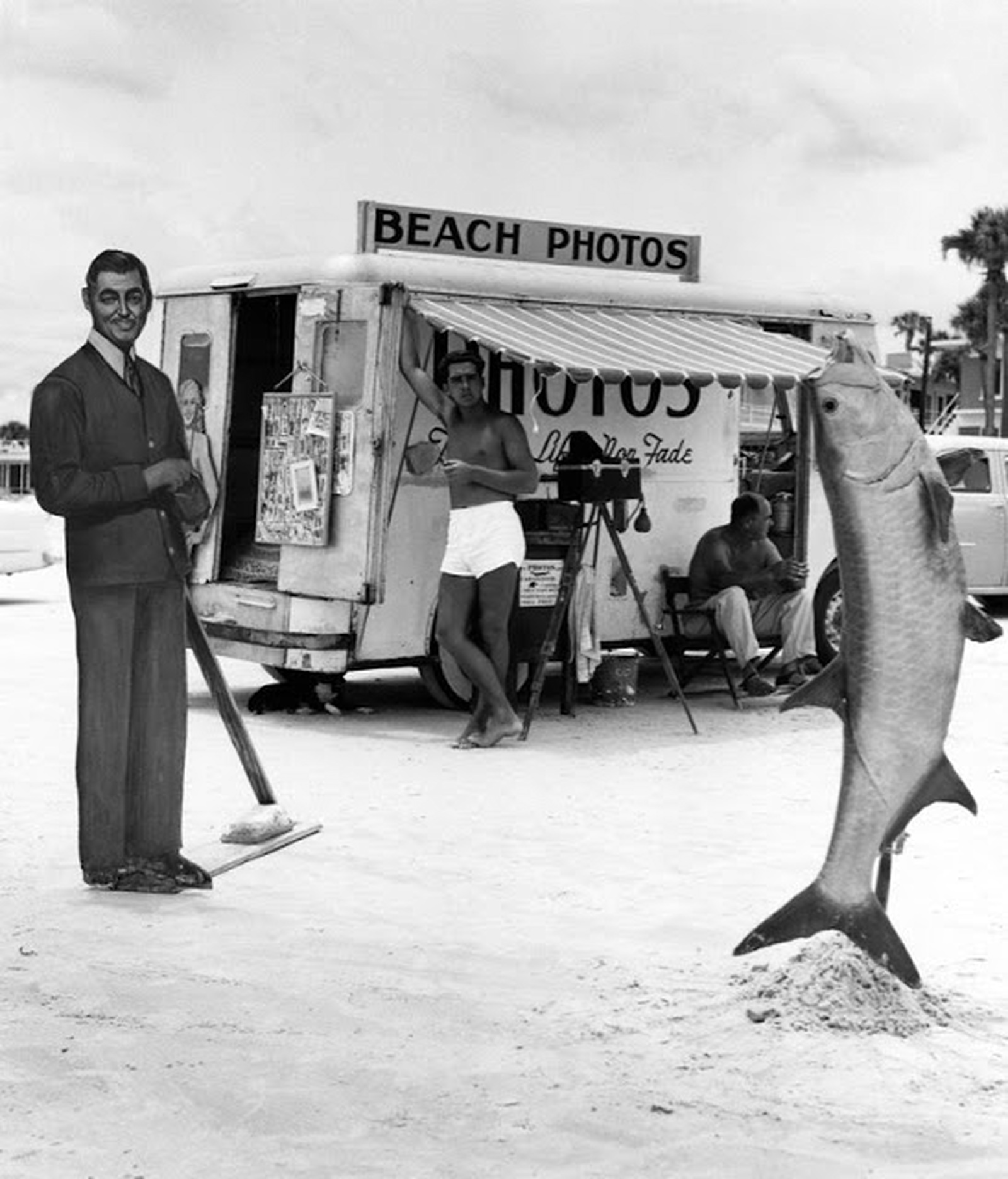
In the summer of 1954, Abbott set out to photograph the entire length of U.S. Route 1, traveling from New York to Key West before turning north to Fort Kent, Maine. The expedition produced more than 2,400 negatives—the largest single body of work of her career. Although the planned book was never published during her lifetime, the photographs have finally appeared in U.S. Route 1: Maine to Florida, revealing one of the great unseen documentary projects of twentieth-century American photography. More than seventy years later, her remarkable journey continues to remind us that every mile of America's oldest highway has another story waiting to be discovered.

Berenice Abbott: North & South: Route 1
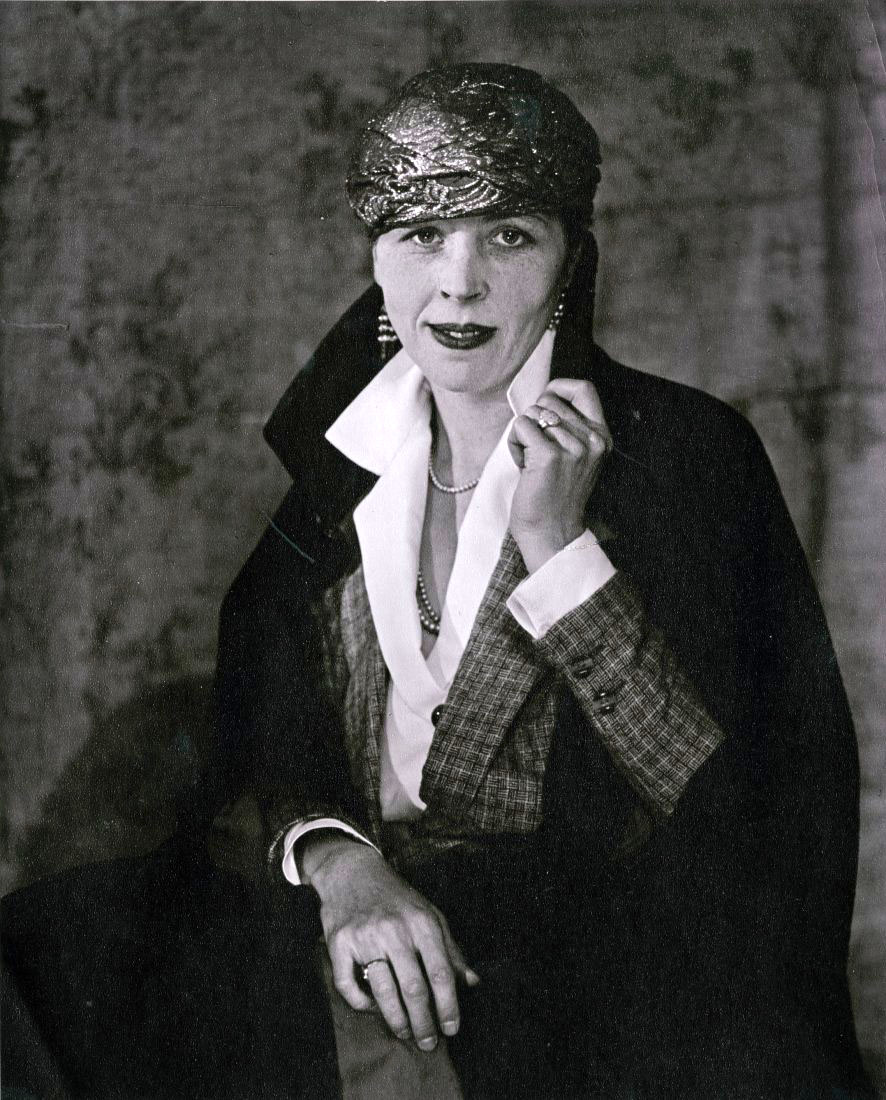
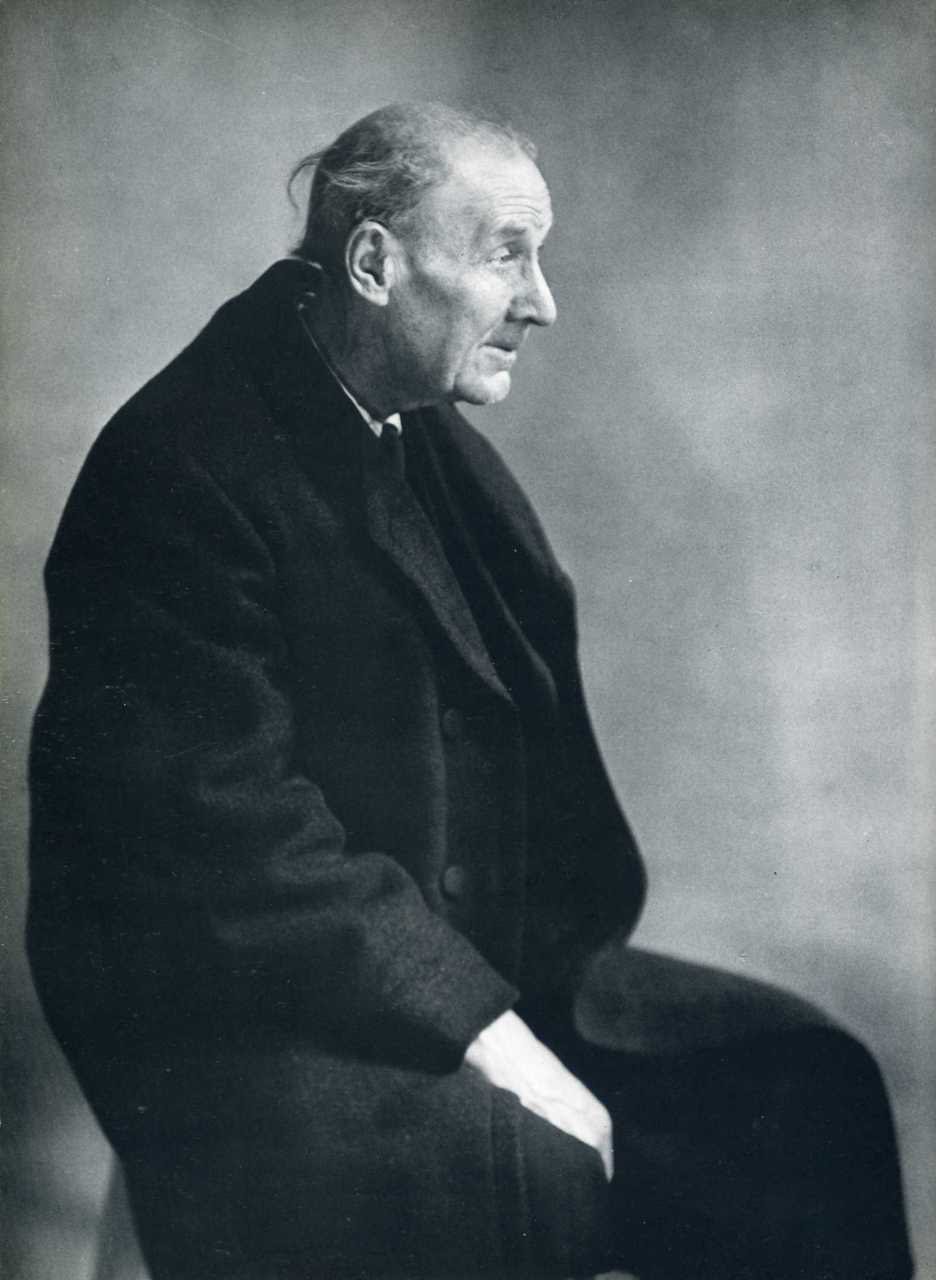
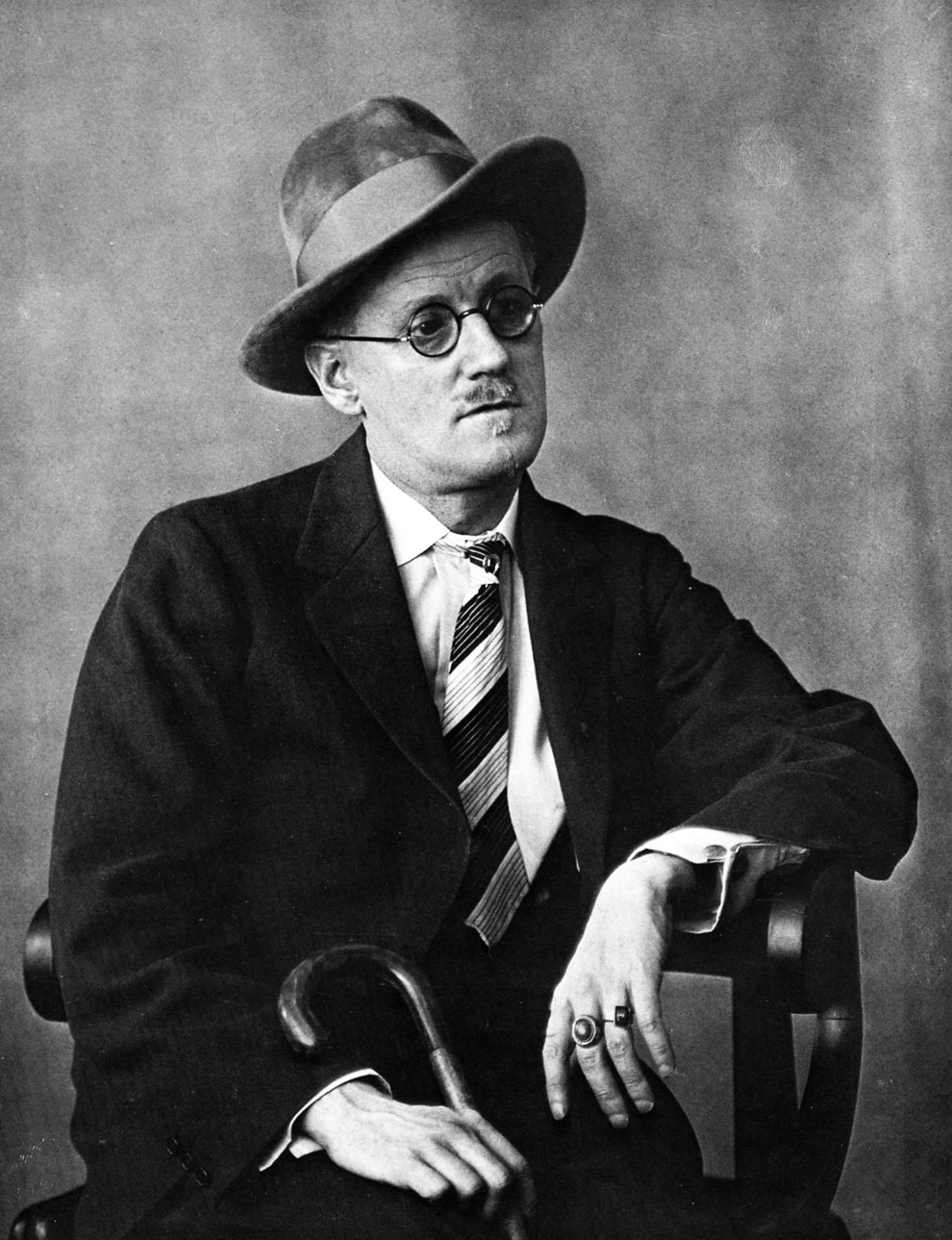
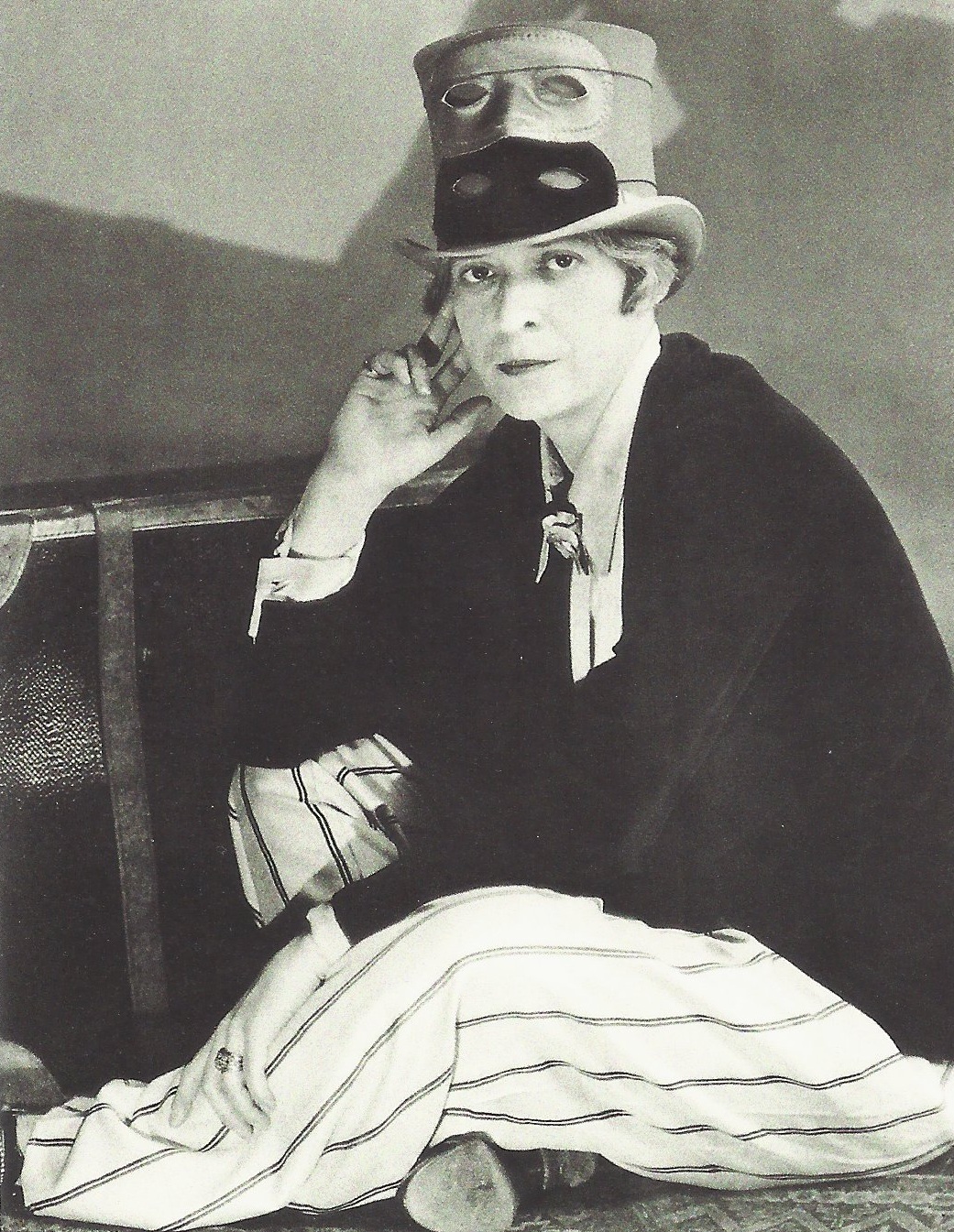
Berenice Abbott Portraits