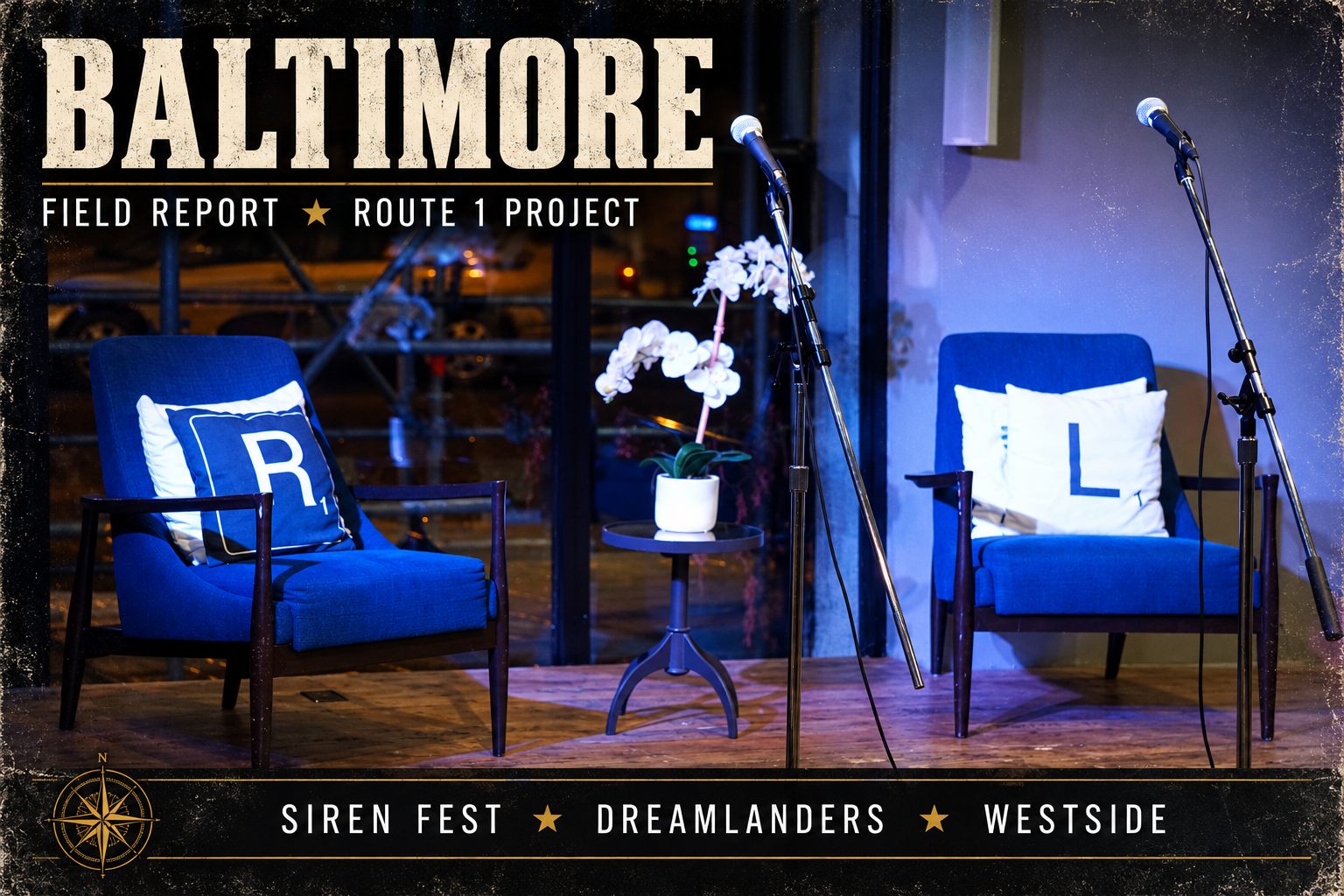
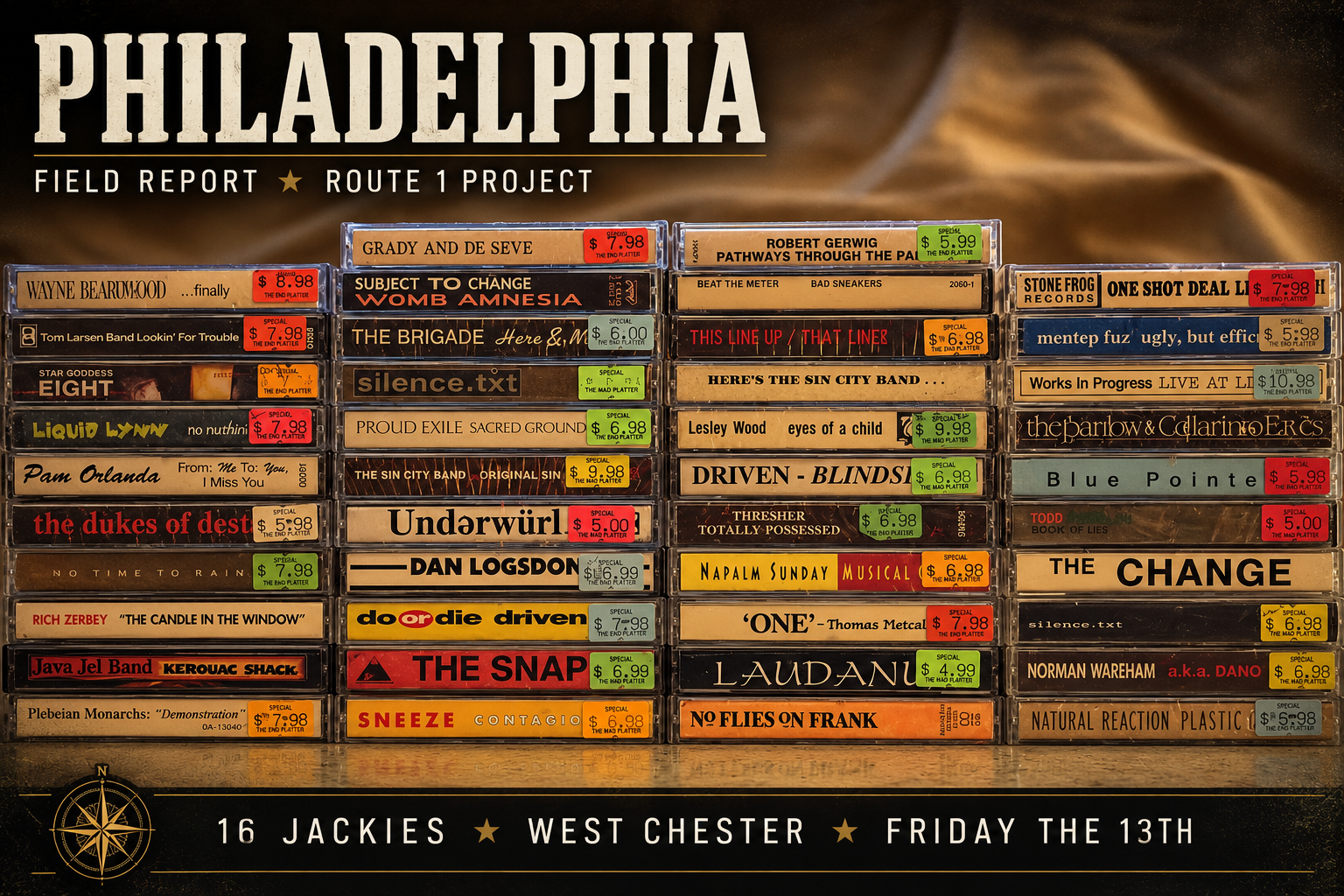
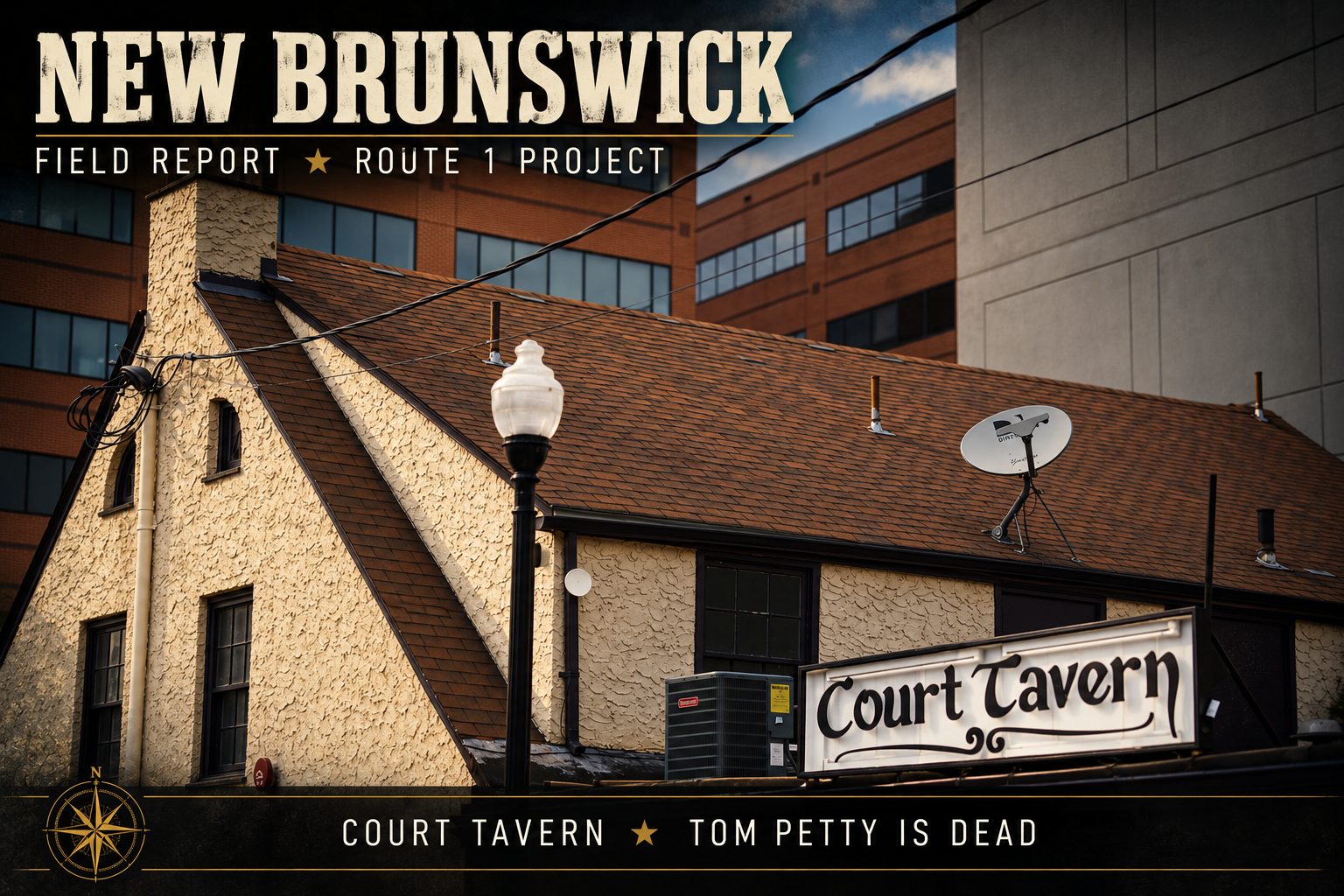
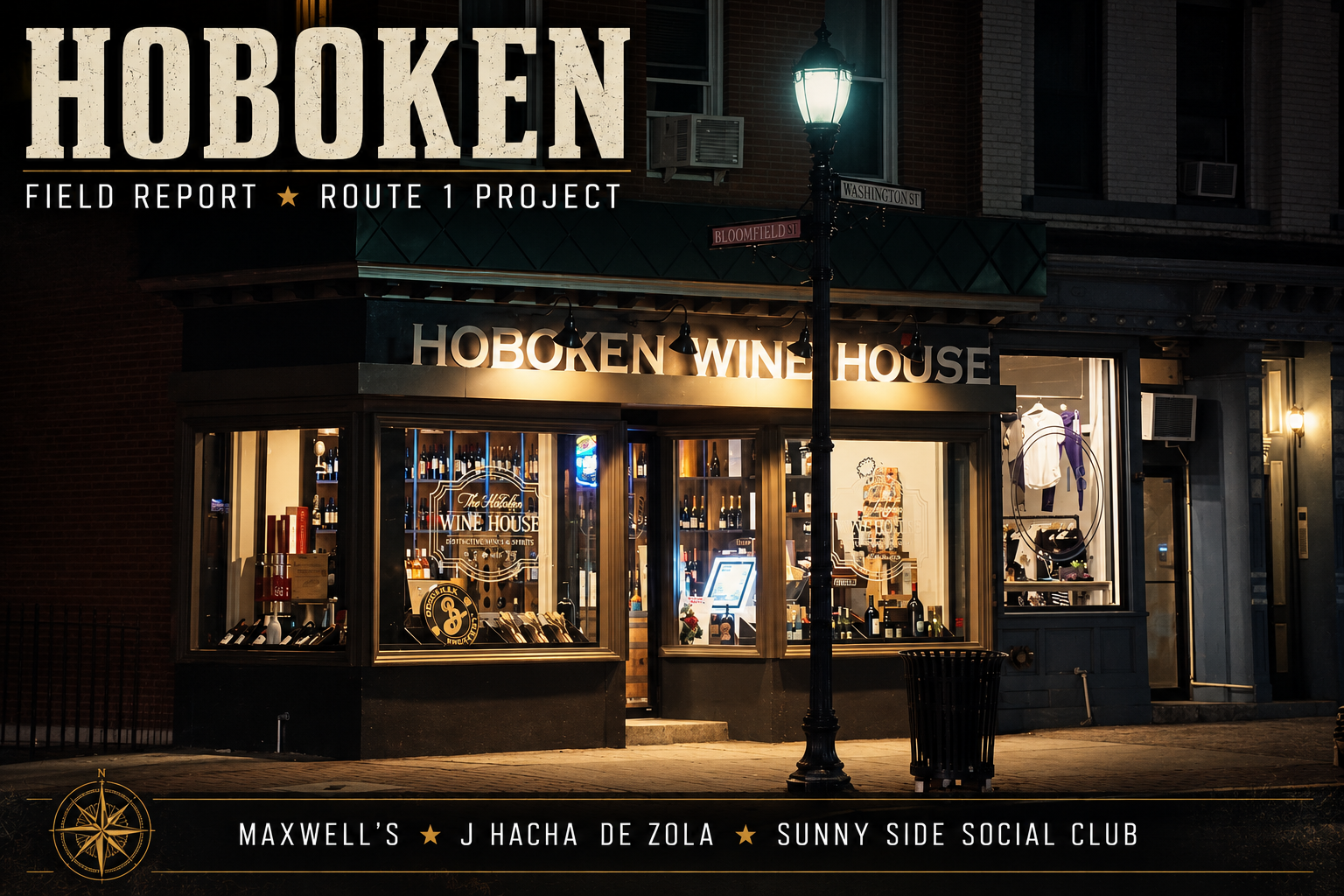
In 2011, I was brought on board to scout bands and locations for a newly formed record label involving people from Universal/Interscope and John Force Racing. They’d launched a promotion but had no bands on the roster. Soon I relocated to Santa Monica.
I’d played in bands and managed bands, and I knew that signing an act usually meant getting pulled into everything that came with it. I had no desire to manage anyone, but I’d always believed that every band had at least one great song. What if we worked one song at a time? Find something worth hearing, make a deal with the artist, and get to work: film and television placements, another artist recording it, radio, a video. The artist would retain their publishing, we’d split the revenue, and we’d have to produce results to keep representing the song. The music business was still sorting through the wreckage of Napster and LimeWire. It seemed like a good moment to try something different.
Meanwhile, Universal had taken over the recording partnership with American Idol. Some of the people I was working with were studio engineers involved with the show, giving me a view from behind the curtain during Season 10. Thousands of hopefuls were lining up at auditions in major cities, most of them singing other people’s songs. The creative ones put their own twist on the material, but I kept thinking about the musicians who weren’t standing in those lines. Who was playing something extraordinary in a cellar, a garage, or an open mic somewhere? Why wait for them to come to us?
Then, in what had become a recurring theme in my life, the partners decided they couldn’t work together, and I was orphaned. On the drive from Santa Monica to Florida, I began putting together another plan. A line from a song by the Boston band Pusher supplied the name: “searching for the motherlode.”
I wrote a treatment. Think American Pickers: two guys in a van, traveling the country in search of undiscovered music. We’d find the artists, hear their songs, and learn the stories behind them, using the business model I’d developed in Santa Monica to help get the music heard. I sent the proposal to everyone I thought might help. Crickets.
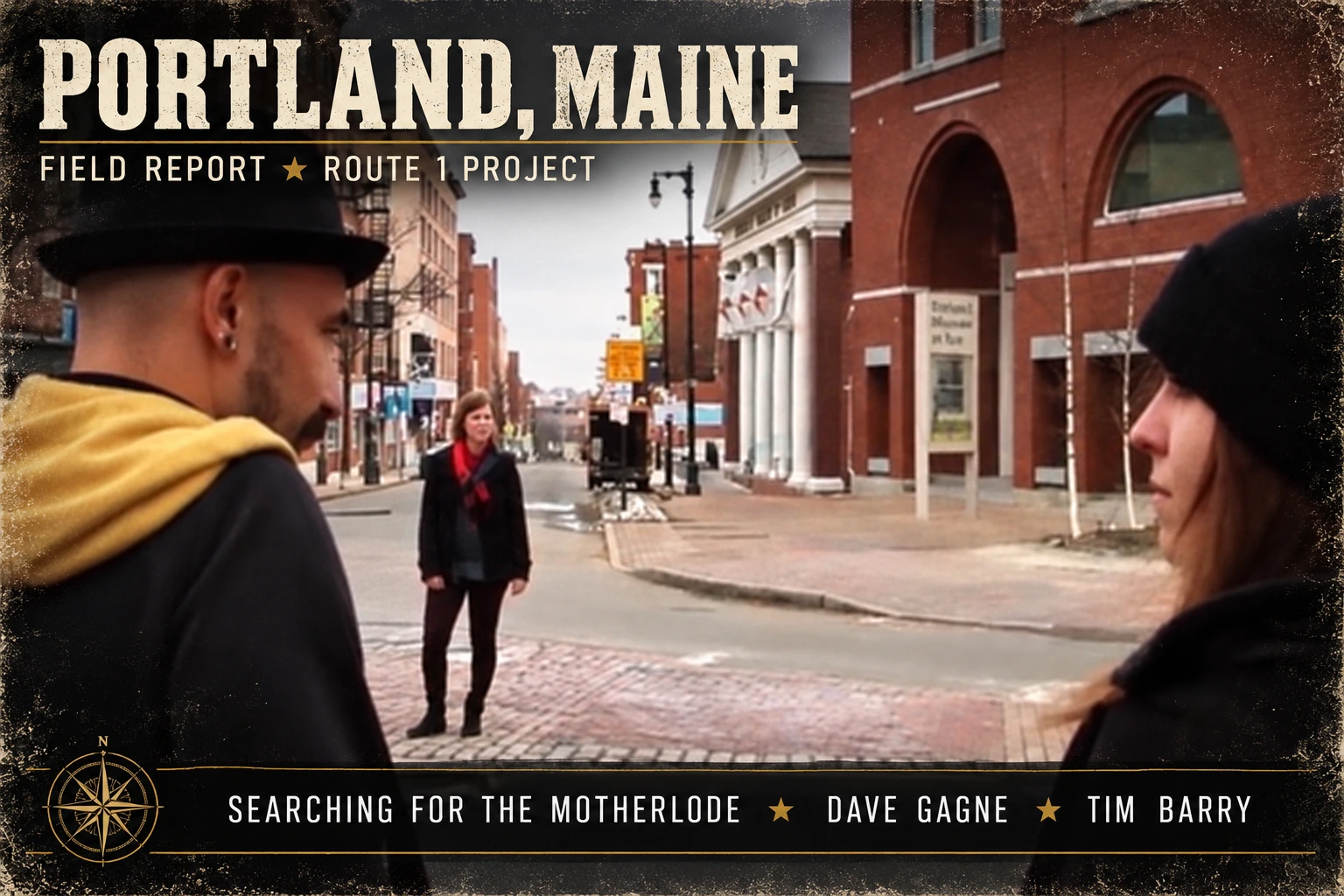
In 2013, the phone rang. Someone I’d sent it to was heading into a meeting about television projects in New York and wanted to pitch it. We needed a pilot—a place to show what the idea could become—and I chose Portland, Maine. I was in Provincetown at the time, so Portland was close enough to keep costs down. I’d booked Portland bands into Boston clubs and knew musicians who had settled there. There were connections to follow.
I rounded up a ragtag production crew, and we headed north. We had a great run, found a whole lotta good songs, and made a sizzle reel. We sent it out and waited. Months later came the call: give your notices, we were going on the road. Days before we were supposed to leave, another call came. The deal had collapsed.
I spent the next few months in a cabin building Motherlode.TV. I started with places—every state, every country—and the people connected to them: musicians, artists, characters who went against the grain, pioneers who changed things, and people who never got the attention they deserved. I wanted a place where a new discovery could lead you into an older story, and an older story could send you looking for something new. It would give the discoveries we made on the road a home and a wider context.
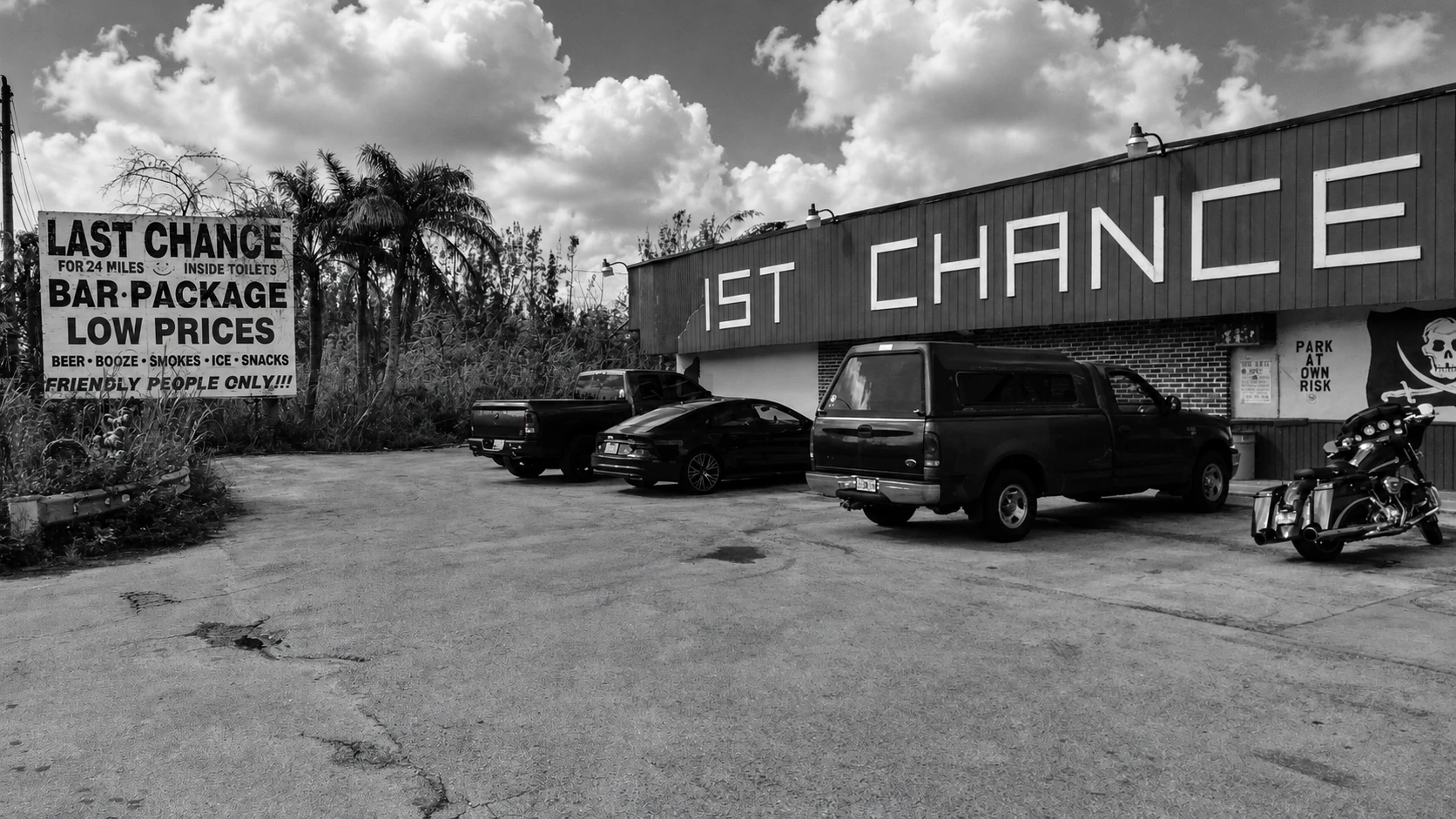
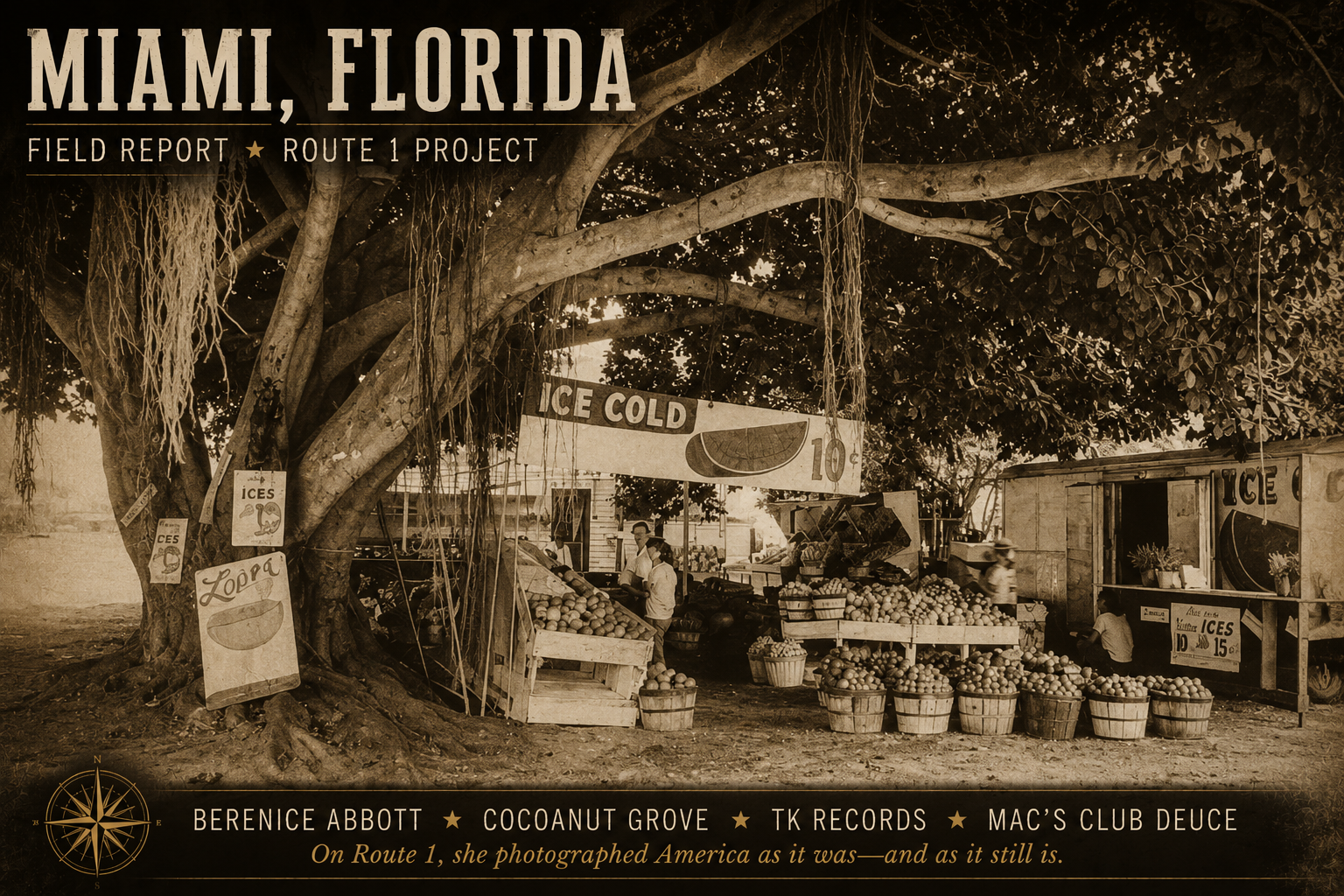
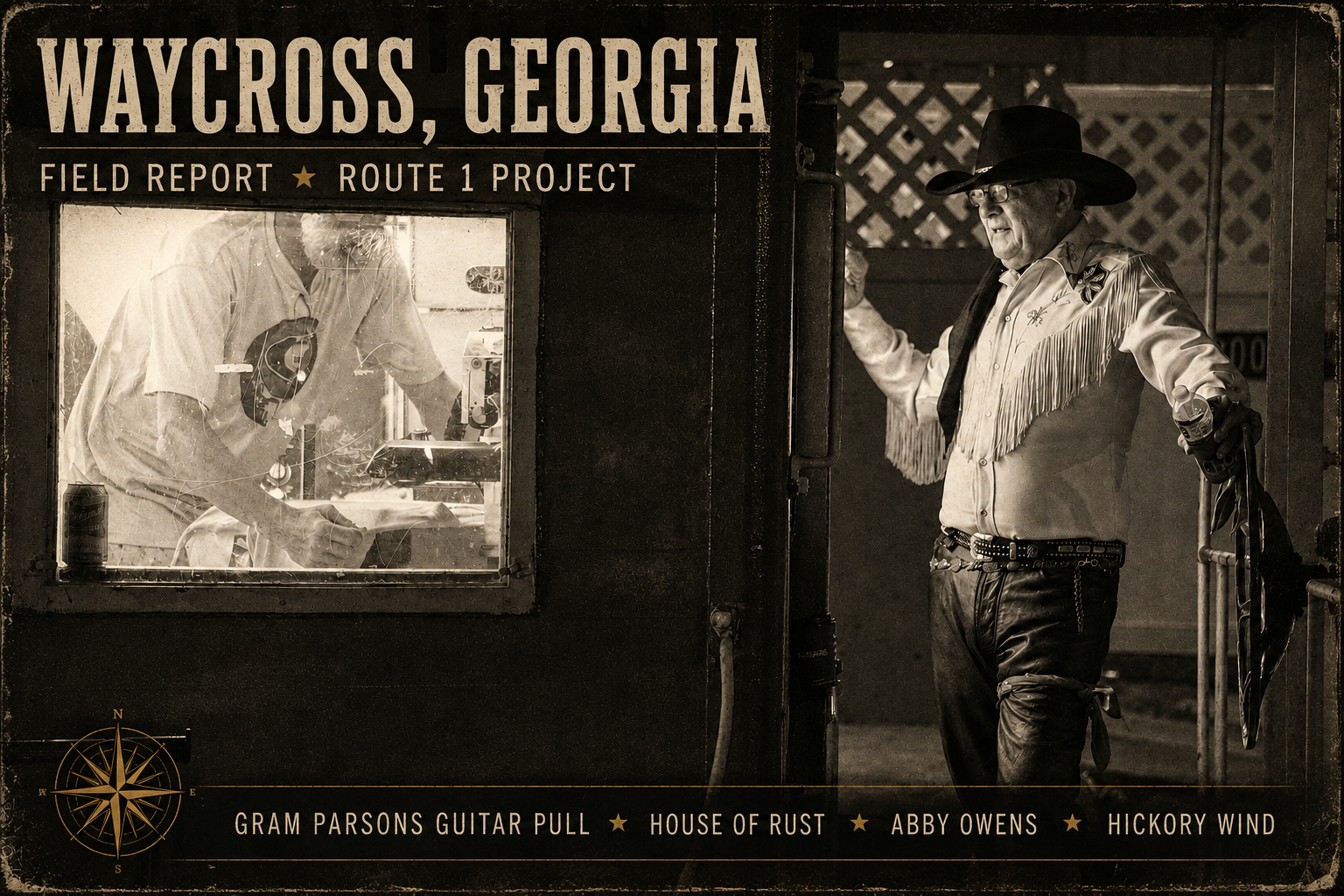
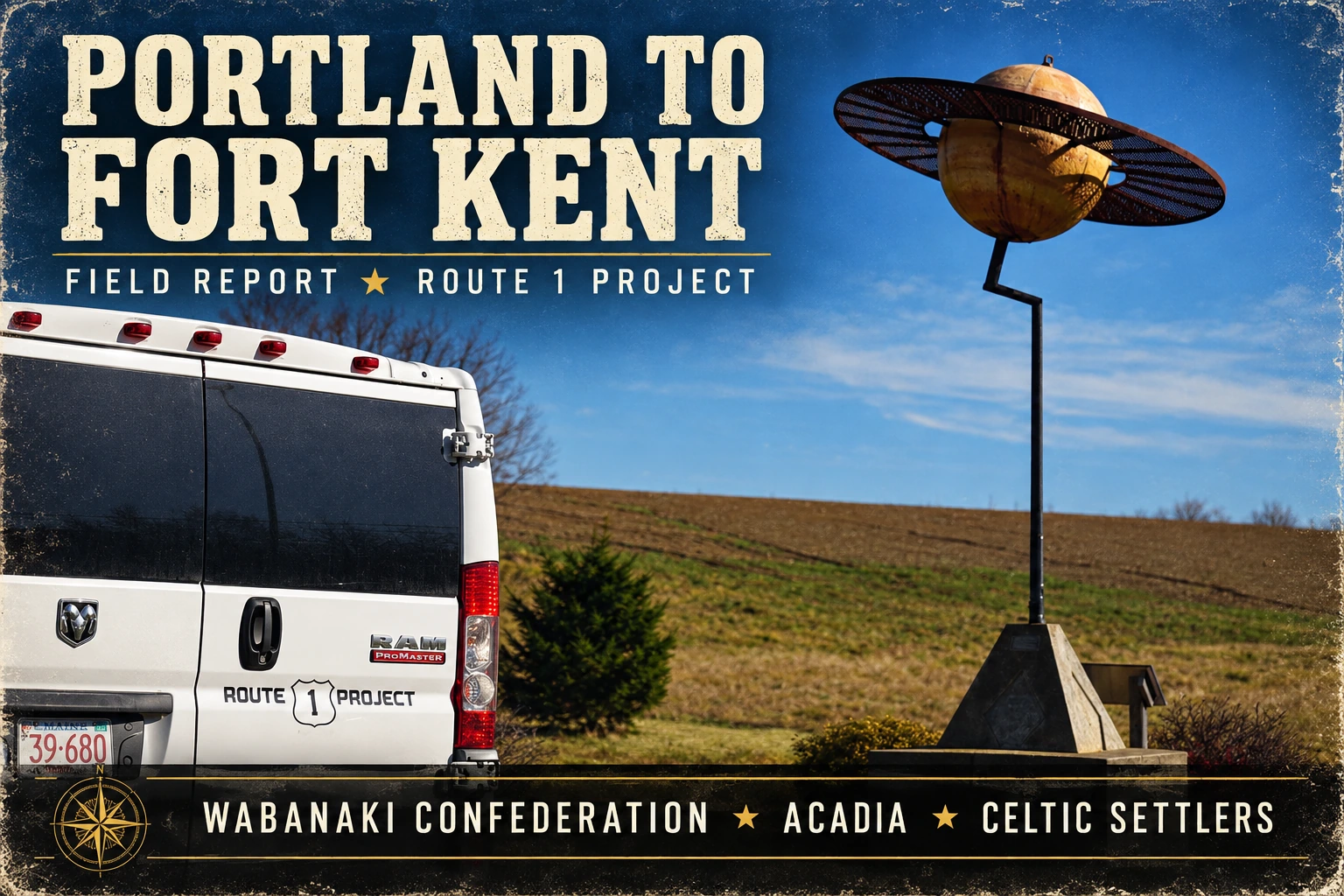
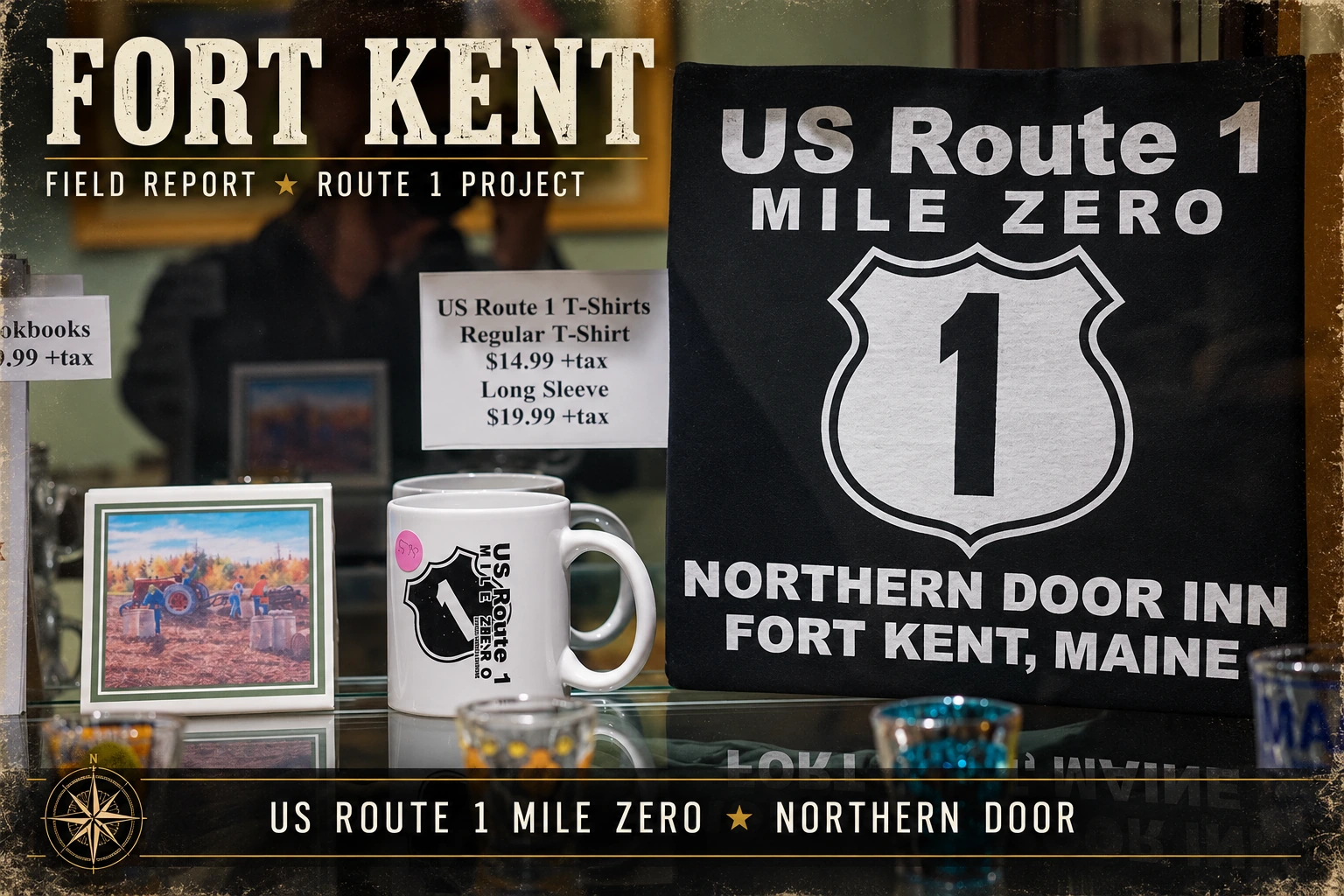
I saved my pennies, got a reliable vehicle, and by the spring of 2017 began mapping the trip. From my years in Key West, I knew Route One ran all the way from Florida to Maine. Here was a road connecting places I knew with a whole lot I hadn’t explored. Key West to Fort Kent. It was decided.
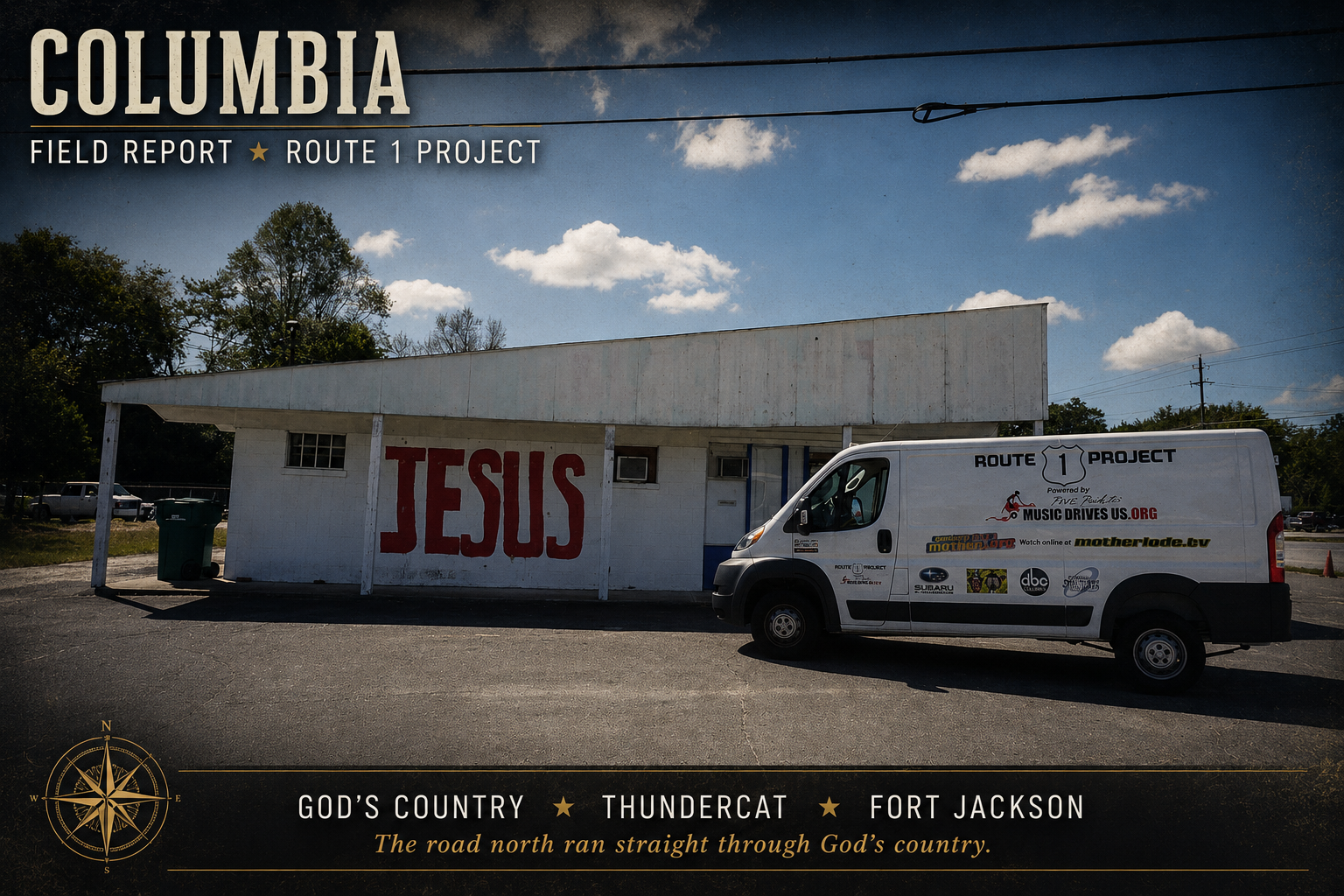
Then, just weeks before departure, more divine intervention arrived in the form of a van and a small budget, with support from Subaru of New England and Music Drives Us. After years of proposals, false starts, and collapsed deals, I was finally going on the road. This is that story.