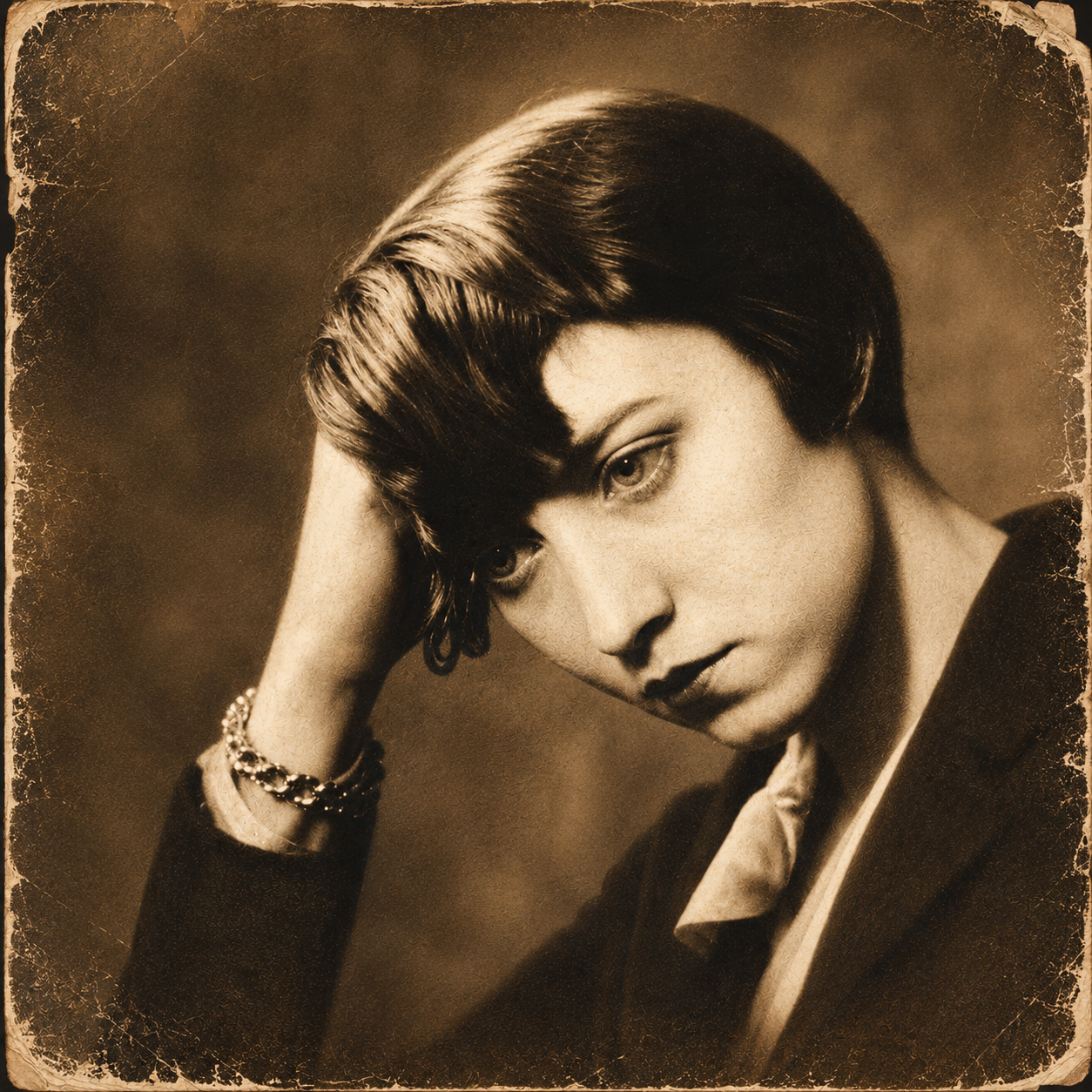
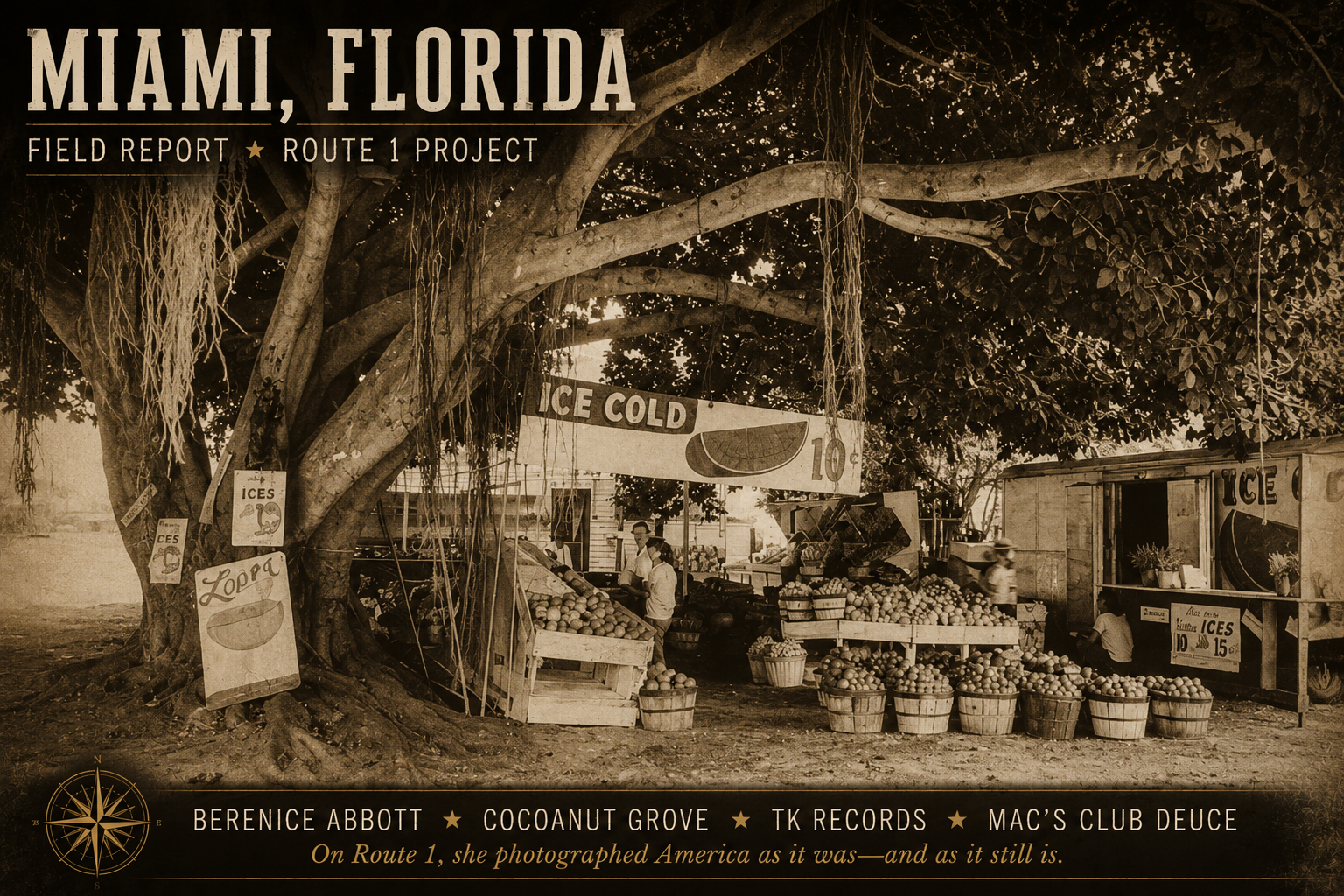
Original 1954 Berenice Abbott Photo. Route 1 - Miami
MIAMI :: FIELD REPORT :: ROUTE 1 PROJECT
They told me it might not be the smartest time to head for the Florida Keys. Hurricane Irma had left its mark with curfews, power outages, and enough uncertainty to make most people postpone the trip. I didn't. The Route 1 Project was always intended to be improvisational, and I wanted the journey to unfold on its own terms. It was a hell of a way to begin. Recording equipment refused to cooperate, incompatible technologies seemed determined to sabotage every plan, and more than once I wondered if the project was over before it had really begun.
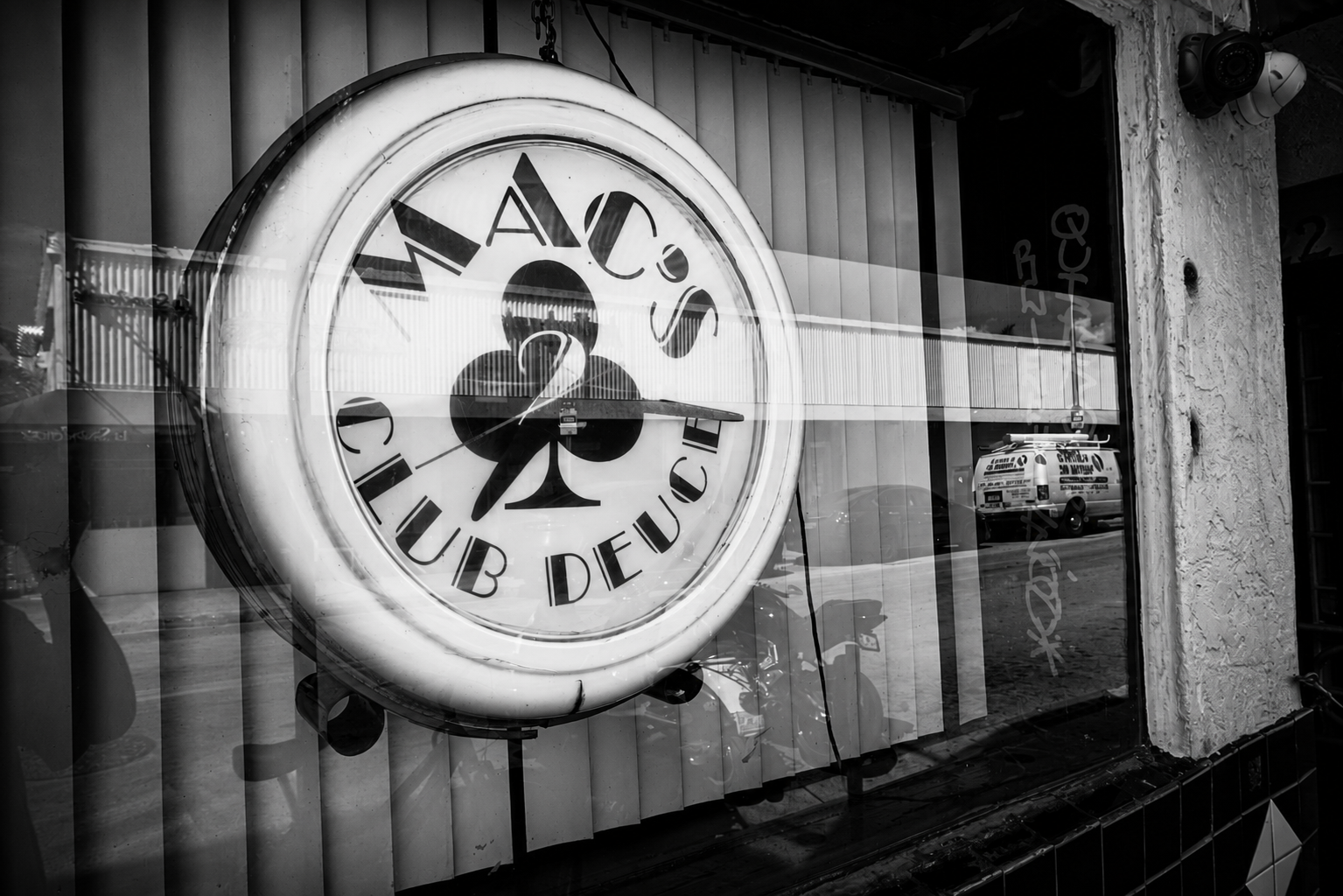
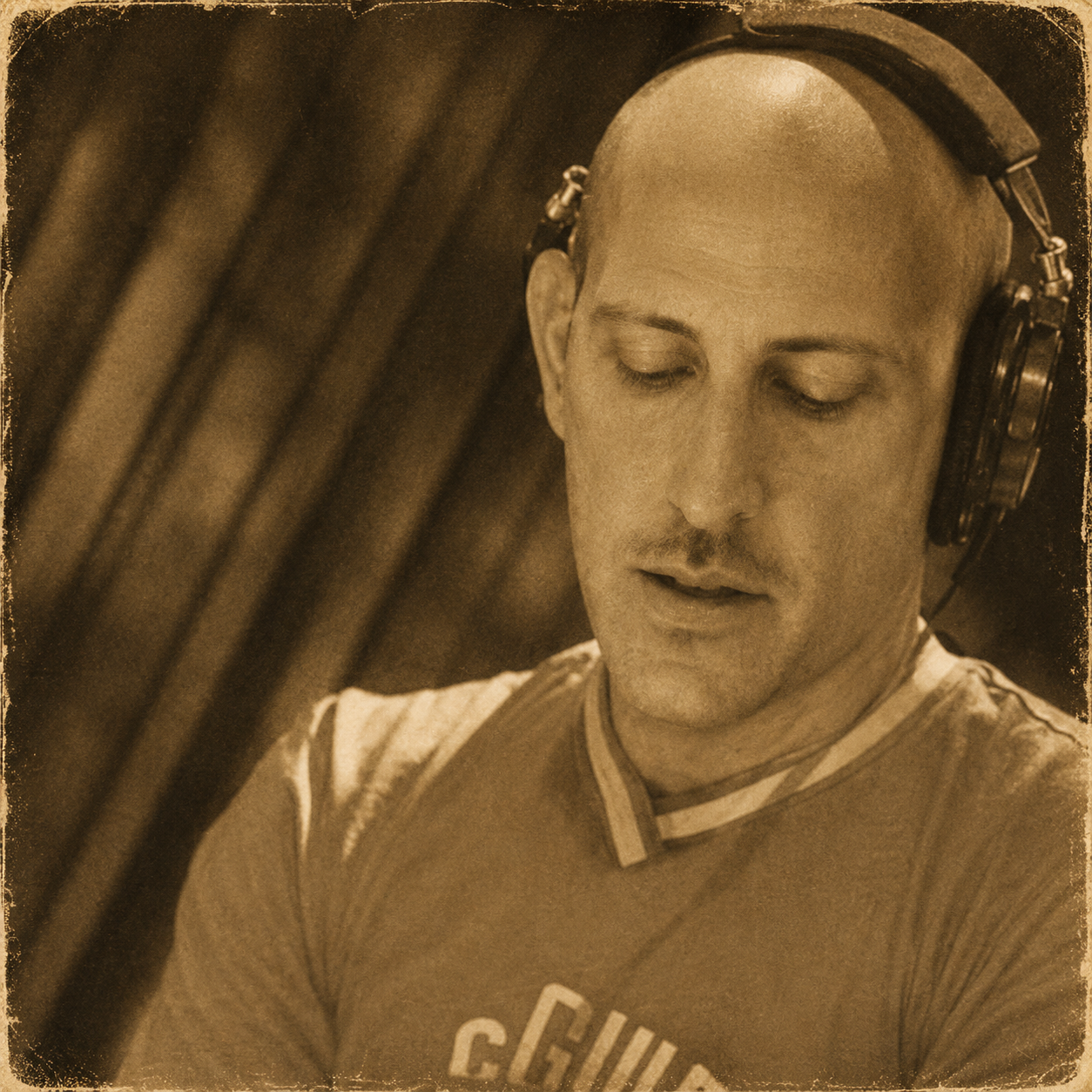
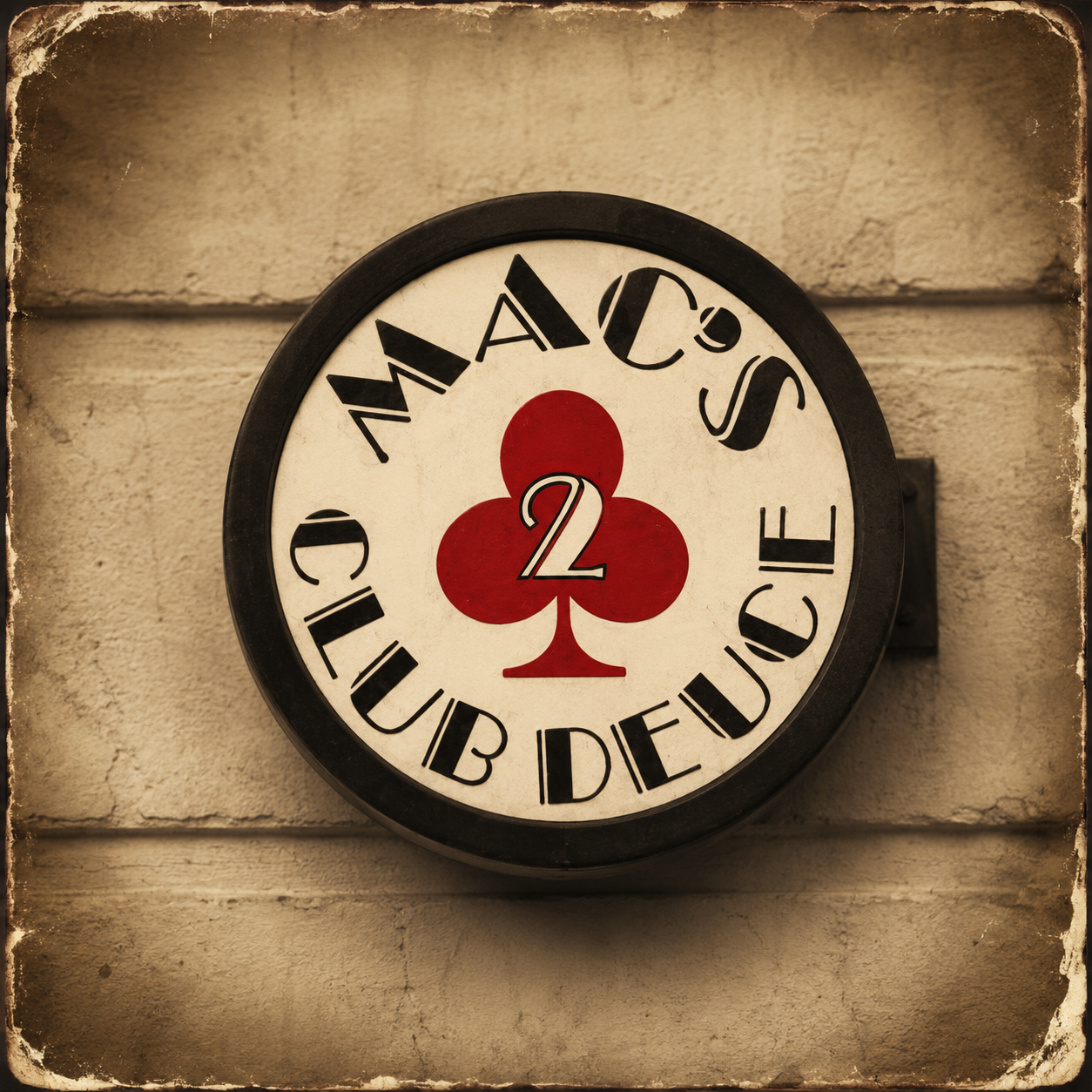
After a few interesting days in Key West, Miami offered something I hadn't realized I needed—a chance to regroup. I found a decent bed, reorganized my equipment, caught my breath, and spent an afternoon at Mac's Club Deuce, one of America's last great dive bars. While living in Key West, I had often stopped there to visit my old friend, Ashley Swanson. We first met when he was the guitarist for Sleep Chamber and I booked their West Coast tour. During the OZ years he worked the door at The Middle East, and now he was holding down the fort at Mac's. In a city where twenty-dollar cocktails had become the norm, Mac's was still serving ice-cold Budweiser for less than five bucks. Over a couple of beers I unveiled my latest obsession—the Route 1 Project.
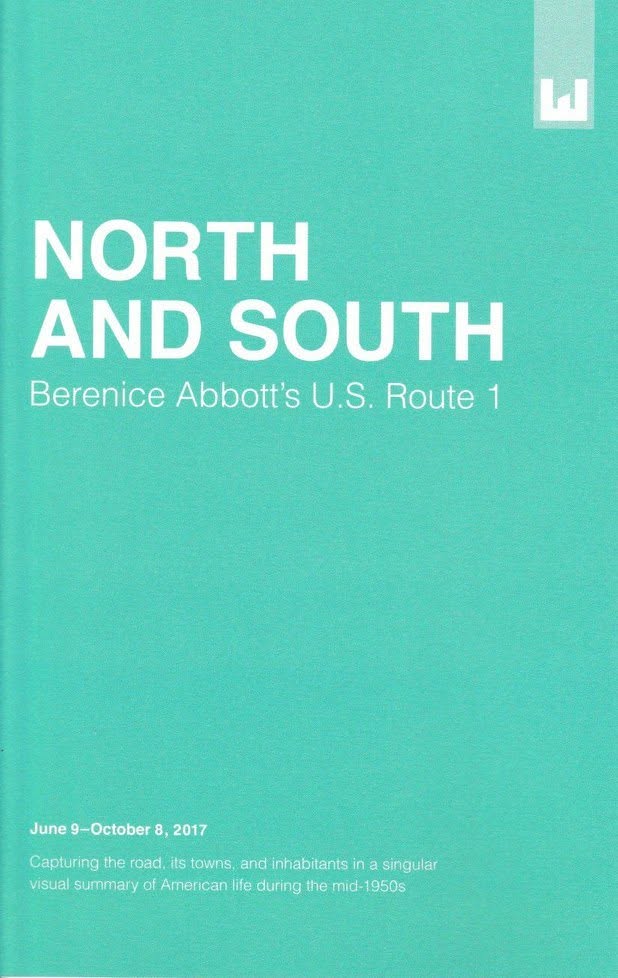
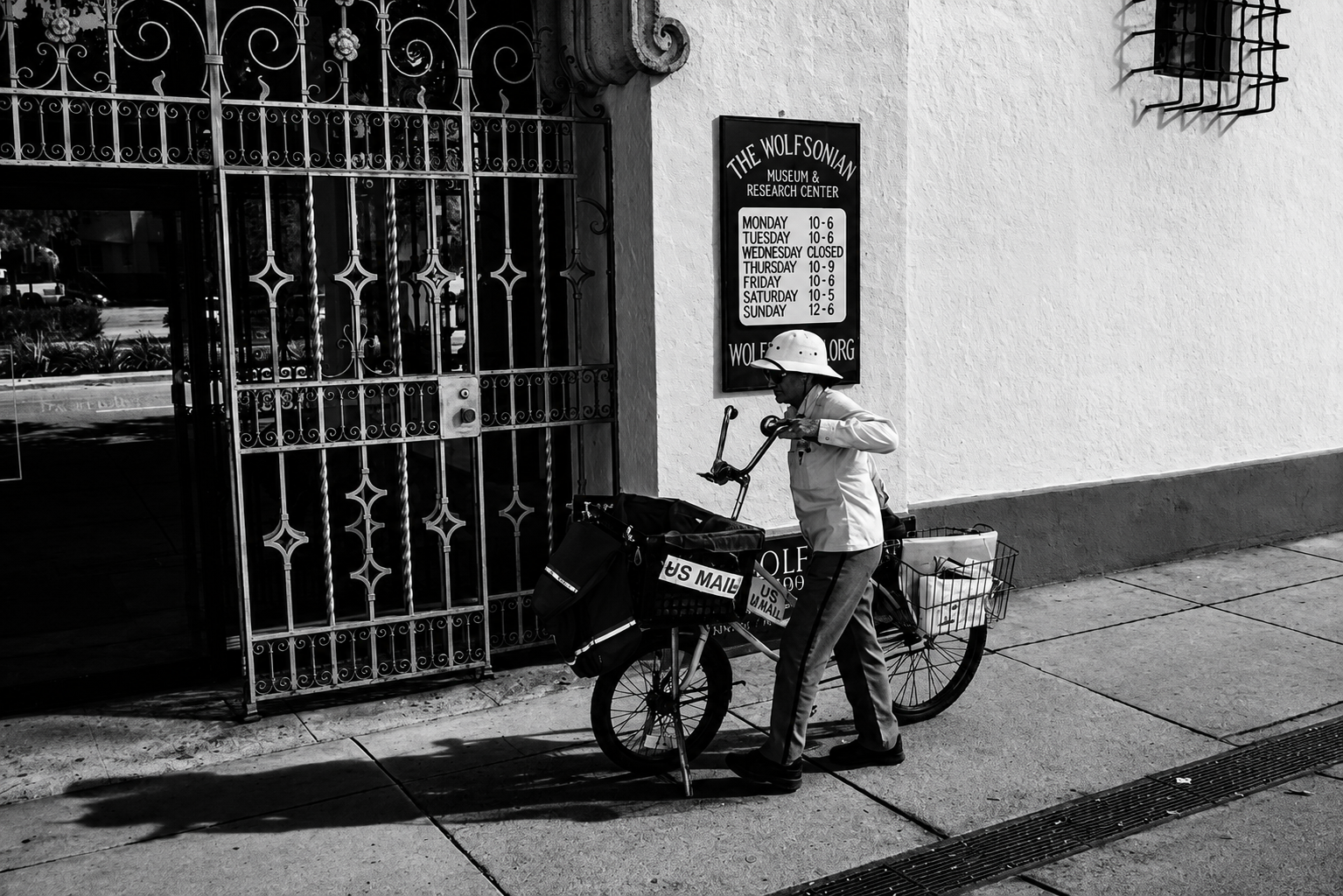
I had hoped to connect with DJ Le Spam of the Spam Allstars, whose performances at the Green Parrot in Key West had made a lasting impression on me. We never managed to cross paths. At first I felt like I'd somehow missed the story. Instead, I wandered into the Wolfsonian–FIU and stumbled onto an exhibition I never expected to find: North and South: Berenice Abbott's U.S. Route 1. In 1954 Abbott had driven the same highway I was following, photographing its people, places, and landscapes from New York to Florida before turning north again to Maine. Seventy years earlier, another traveler had been asking many of the same questions I was asking now. It was there that I realized I had been thinking too narrowly about the project. Interviews were only one way to tell the story. Abbott reminded me that architecture, storefronts, neon signs, reflections in plate glass, forgotten motels, and ordinary street corners could be just as revealing as a conversation. Instead of worrying about the interview I didn't get, I began paying closer attention to everything around me.
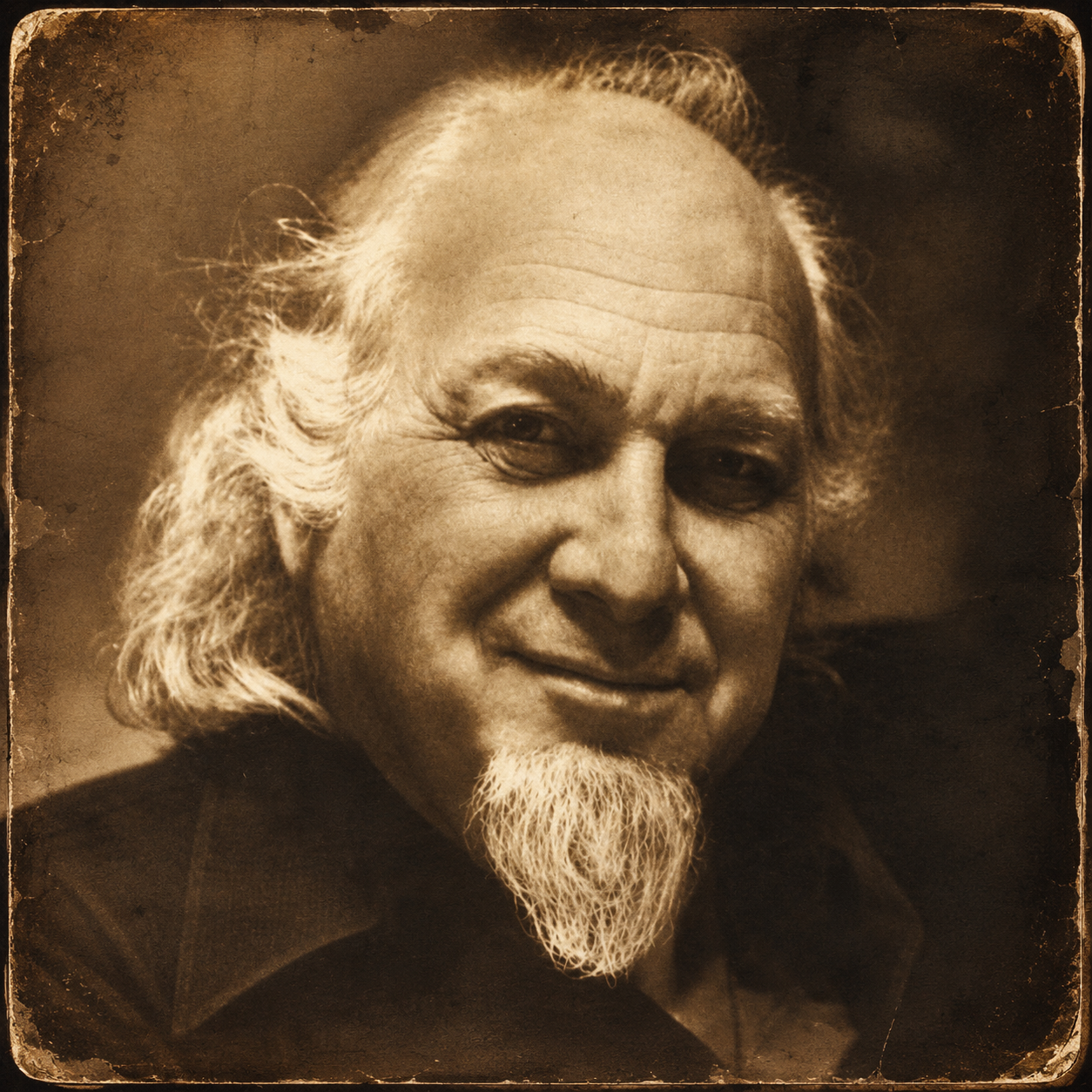
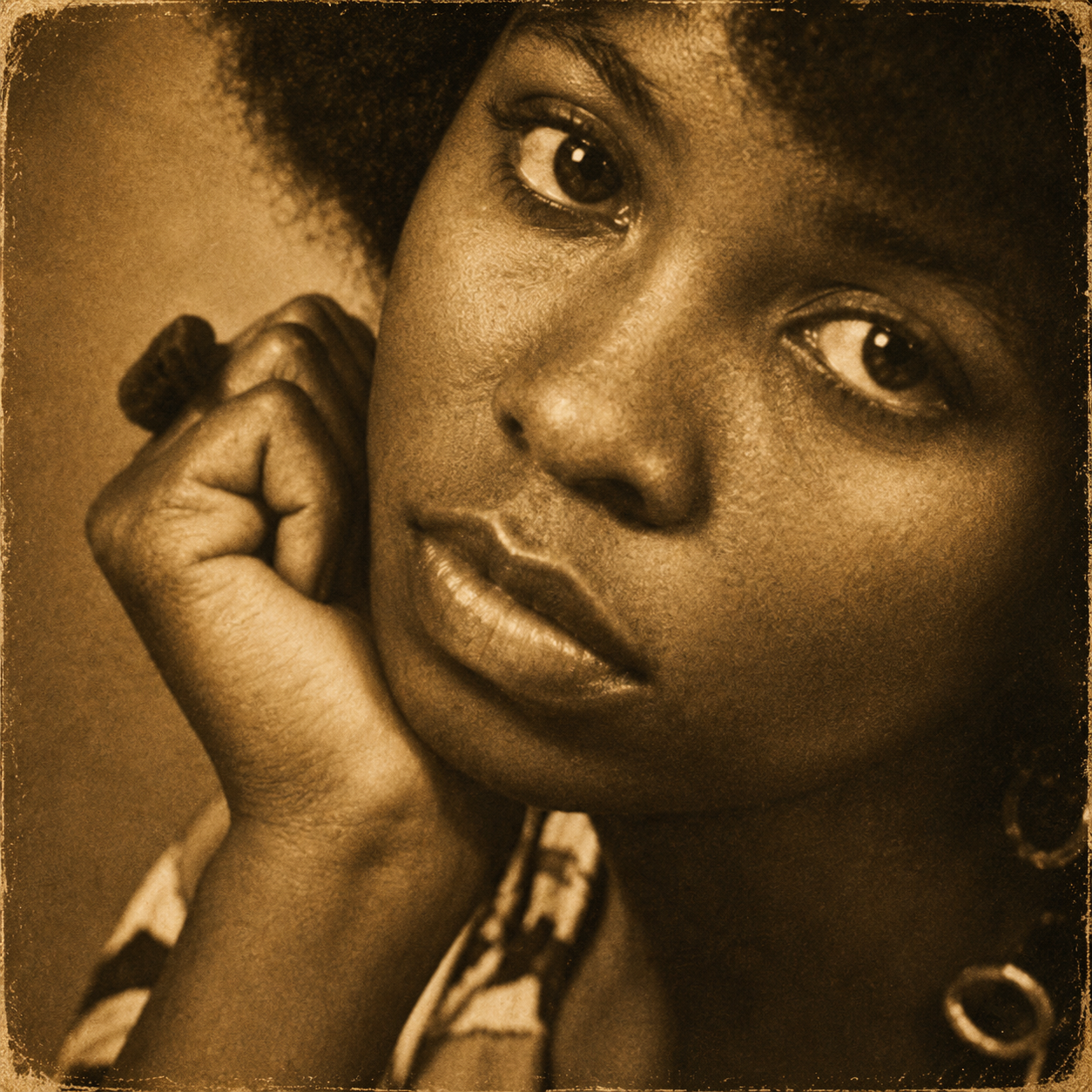
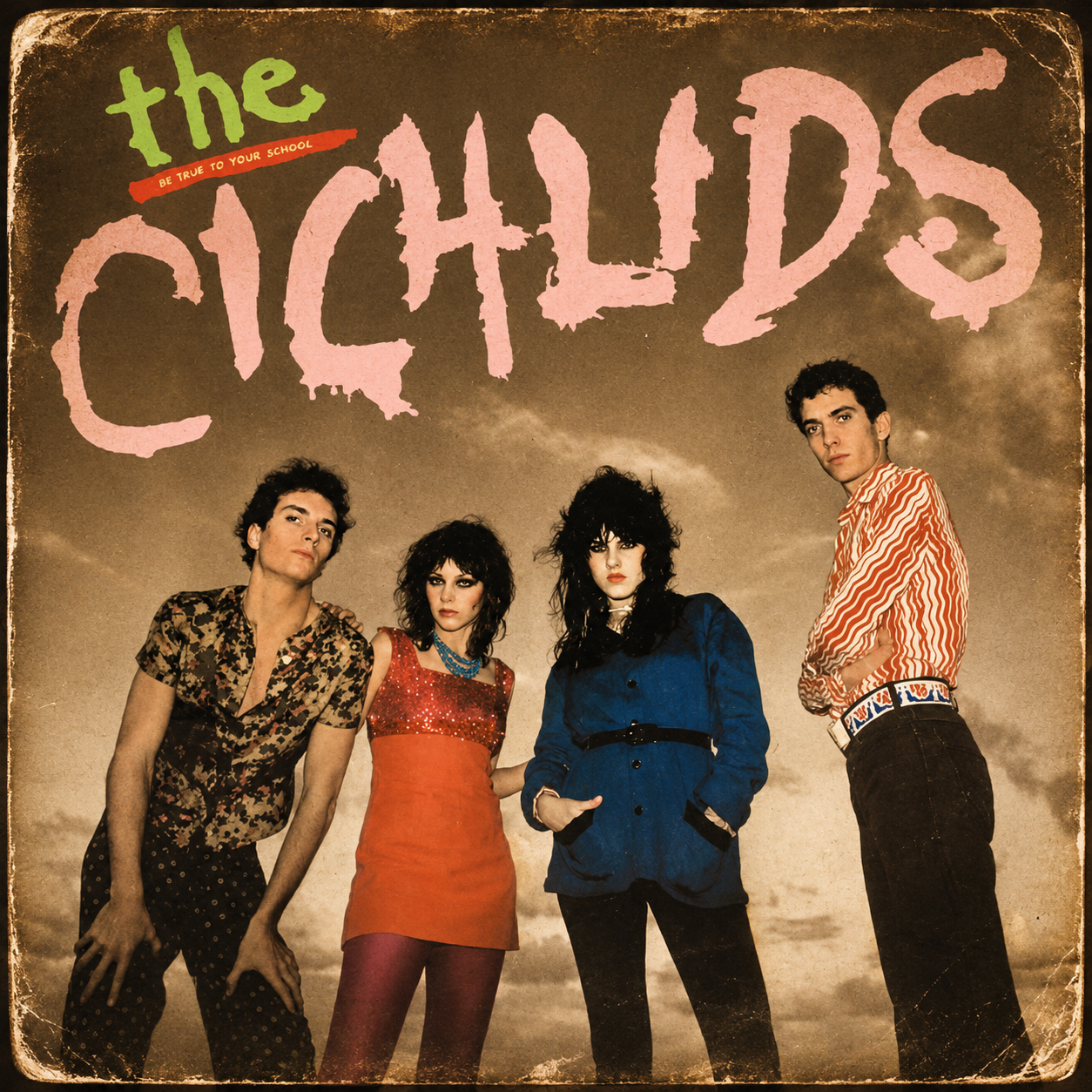
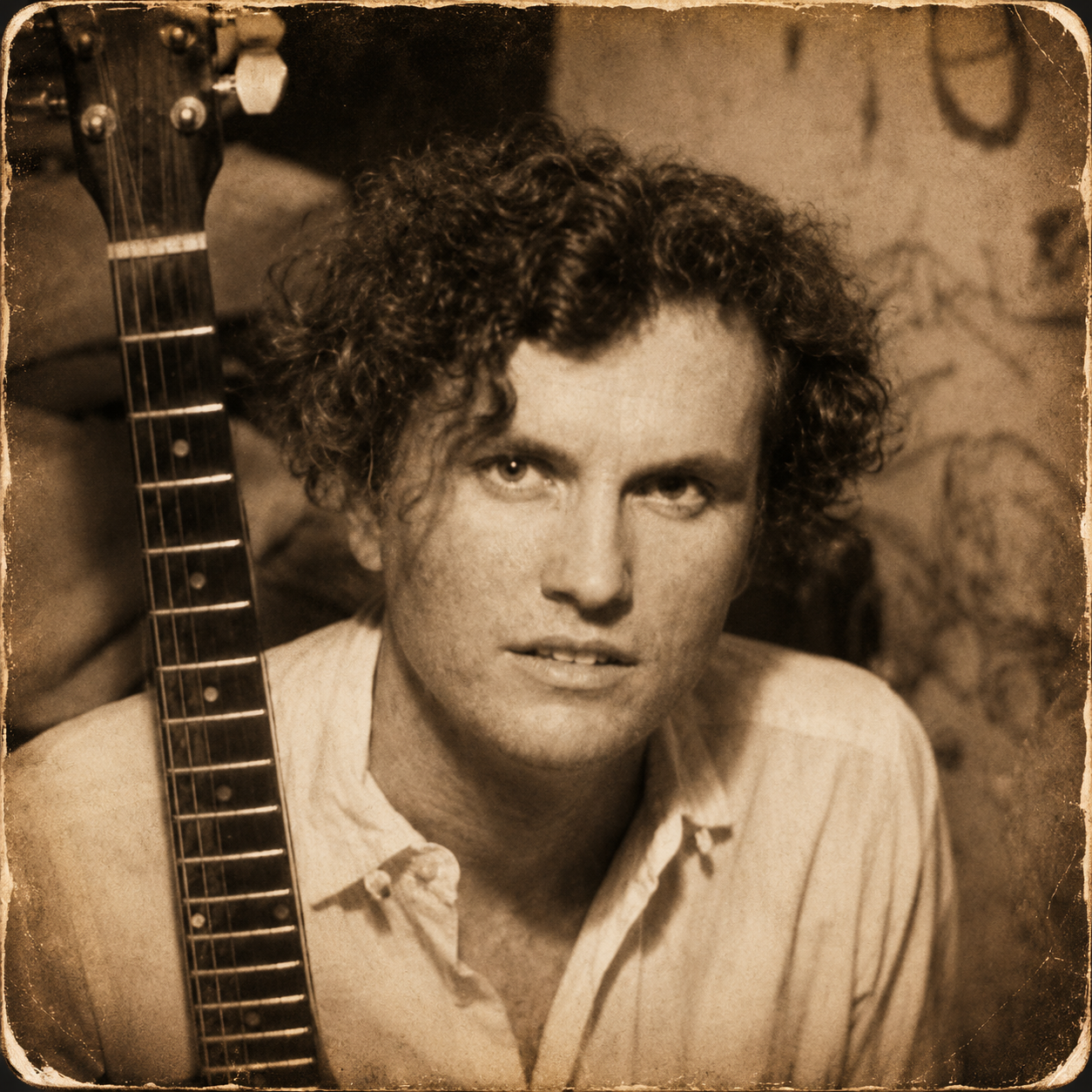
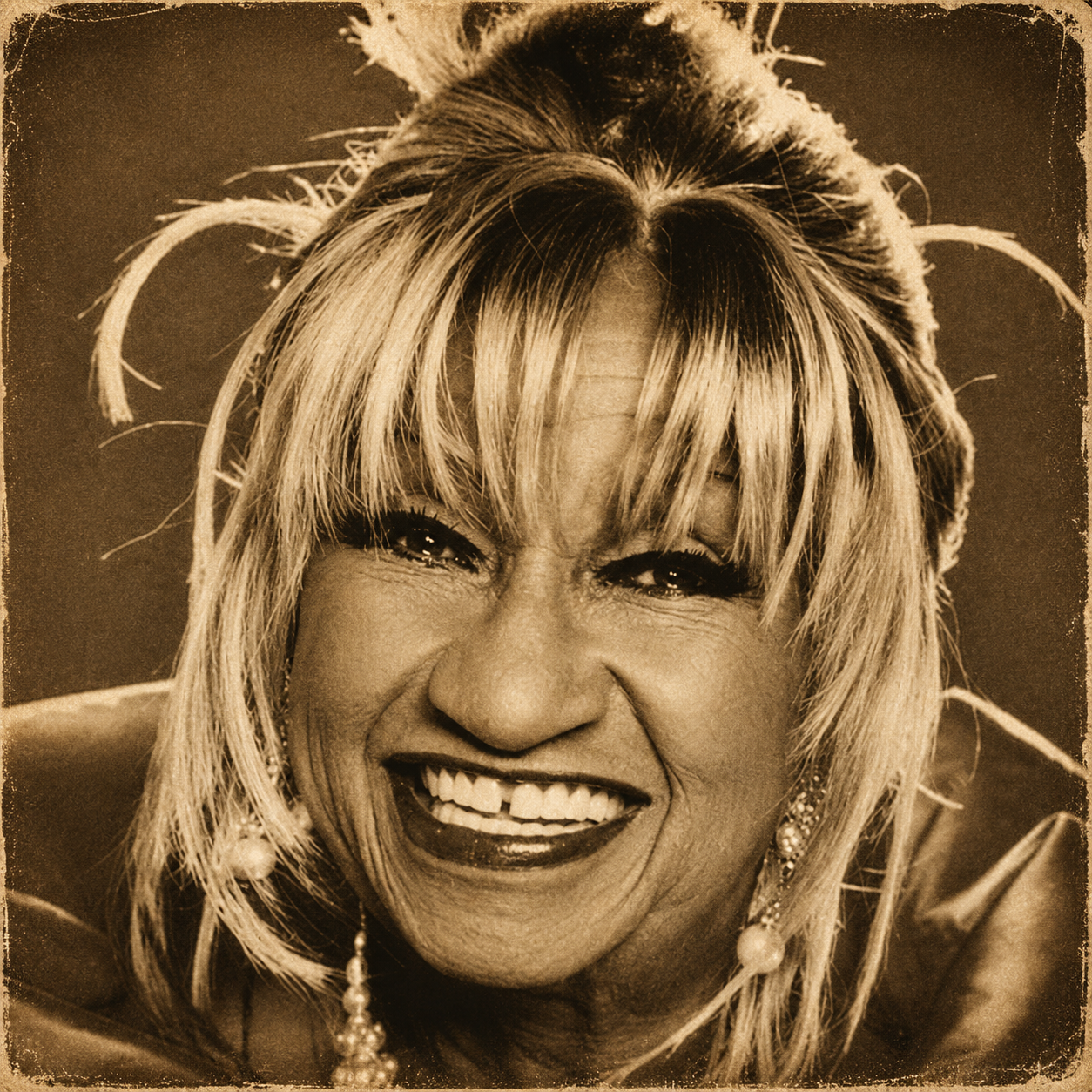
From there the road began introducing me to itself. I found myself diving headlong into the history of Coconut Grove and the music of Fred Neil. Charlie Pickett & The Eggs led me toward Overtown. Through the remarkable legacy of TK Records I was introduced to Blowfly, Betty Wright, The Cichlids and eventually Henry Stone. At first he seemed like another legendary record executive. Only later did I realize he had been something much larger—one of the architects of Miami's independent music industry. Long before TK Records became synonymous with the Miami Sound, Stone was building the studios, distribution networks, publishing companies, and relationships that helped transform the city into one of America's great music capitals. Even Miami's role in the 1959 disc jockey convention and the congressional payola investigations suddenly made more sense. Henry Stone wasn't standing on the sidelines of music history. He was helping build the independent music industry those investigations were trying to understand. Every discovery seemed to produce three or four more, each pointing in another direction. Miami wasn't simply another stop along Route 1. It was an intersection where music, photography, architecture, and history all converged.
That revelation changed the Route 1 Project for good. Throughout the journey I had kept a GoPro running on the dashboard of the van, recording every mile of Route 1 from Key West northward. Until Miami I had thought of that footage as documentation. After Abbott, I began thinking of it as part of the story itself. The interviews, photographs, field recordings, dashboard films, and chance encounters weren't competing ways of documenting the highway—they were complementary ways of understanding it. Those thousands of miles of footage will become another layer of the Route 1 Project as we prepare its tenth anniversary in 2027.
That's what Miami ultimately taught me. Route 1 isn't simply a road connecting cities. It's an archive connecting ideas. Sometimes the story you're chasing never appears. Sometimes the highway quietly hands you a better one instead.Photos: CWWIII - 2017