
CHARLIE PICKETT
(1953 – )
MUSIC ::: ROOTS ROCK ::: ROUTE 1 PROJECT
Charlie Pickett never fit comfortably inside a single musical category, which may explain why he became one of American rock's best-kept secrets. Emerging from South Florida in the late 1970s, Pickett fused garage rock, rhythm & blues, country, punk, and bar-band swagger into something entirely his own. Critics heard echoes of Johnny Thunders, Lou Reed, and the Rolling Stones, but those comparisons miss the point. Pickett wasn't imitating anyone. Long before "Americana" became a recognized genre, he was tearing down the walls between styles and proving that great rock and roll could be raw, literate, funny, dangerous, and deeply rooted all at once.
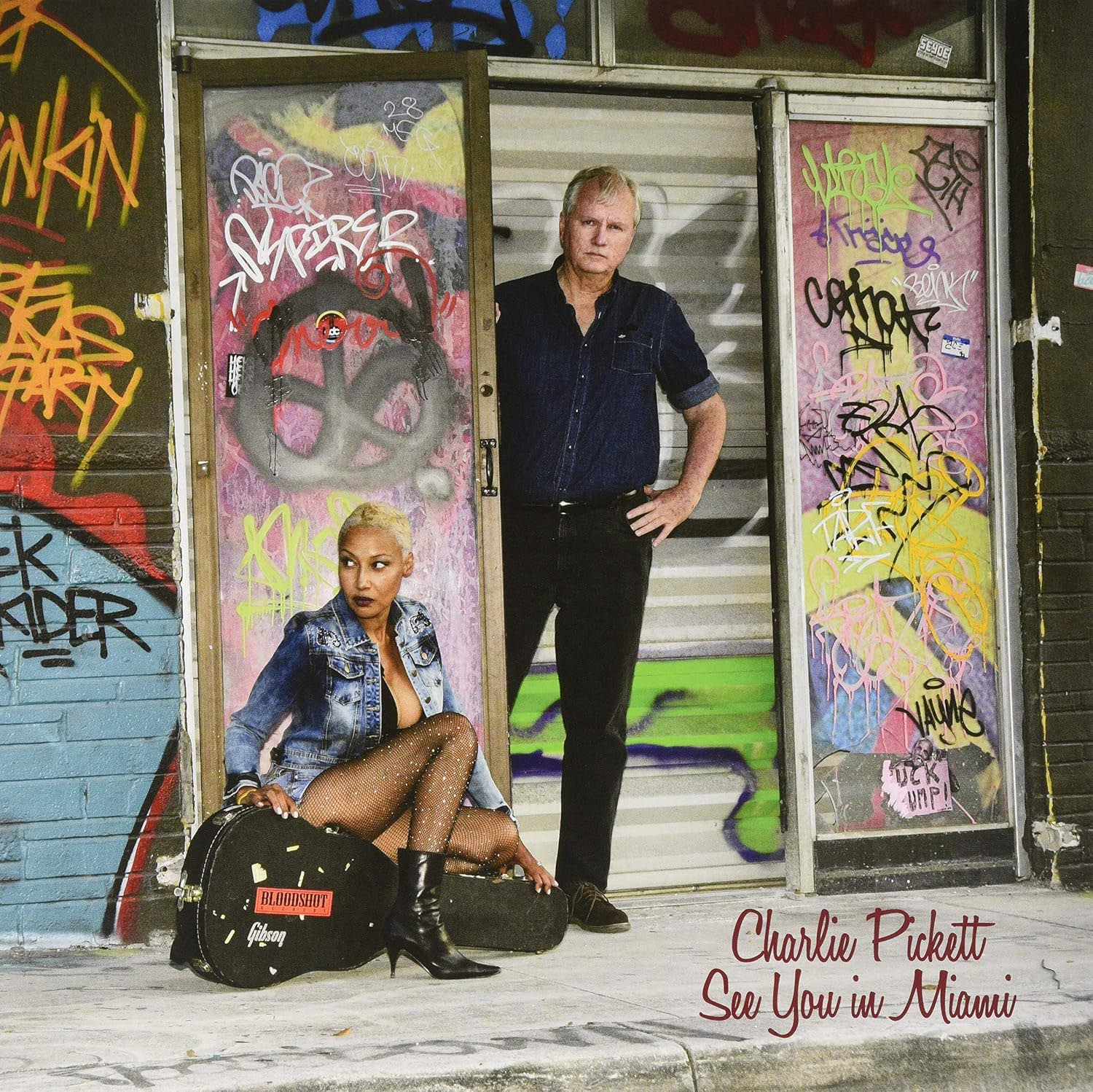
His timing was almost perversely unfortunate. While Miami was becoming internationally identified with disco and the Miami Sound, Pickett was creating a completely different musical identity just beyond the spotlight. Songs like "Overtown," "Marlboro Country," and "If This Is Love (Can I Get My Money Back)" captured a South Florida rarely heard on the radio—gritty, eccentric, romantic, and unmistakably local. Albums such as See You in Miami remain among the defining statements of the region's underground rock tradition, earning admiration from musicians and critics who recognized that Pickett had created something impossible to categorize.
Charlie Pickett's influence has always been measured less by commercial success than by the musicians he inspired. Peter Buck championed his work. Bloodshot Records co-founder Rob Miller has cited Pickett as a formative influence on the label's vision, helping shape what would later become the alt-country movement. His music continues to remind listeners that rock and roll is at its strongest when it ignores boundaries and follows instinct instead. Charlie Pickett didn't chase trends. He trusted the song—and in doing so created a body of work that grows more original with every passing year.