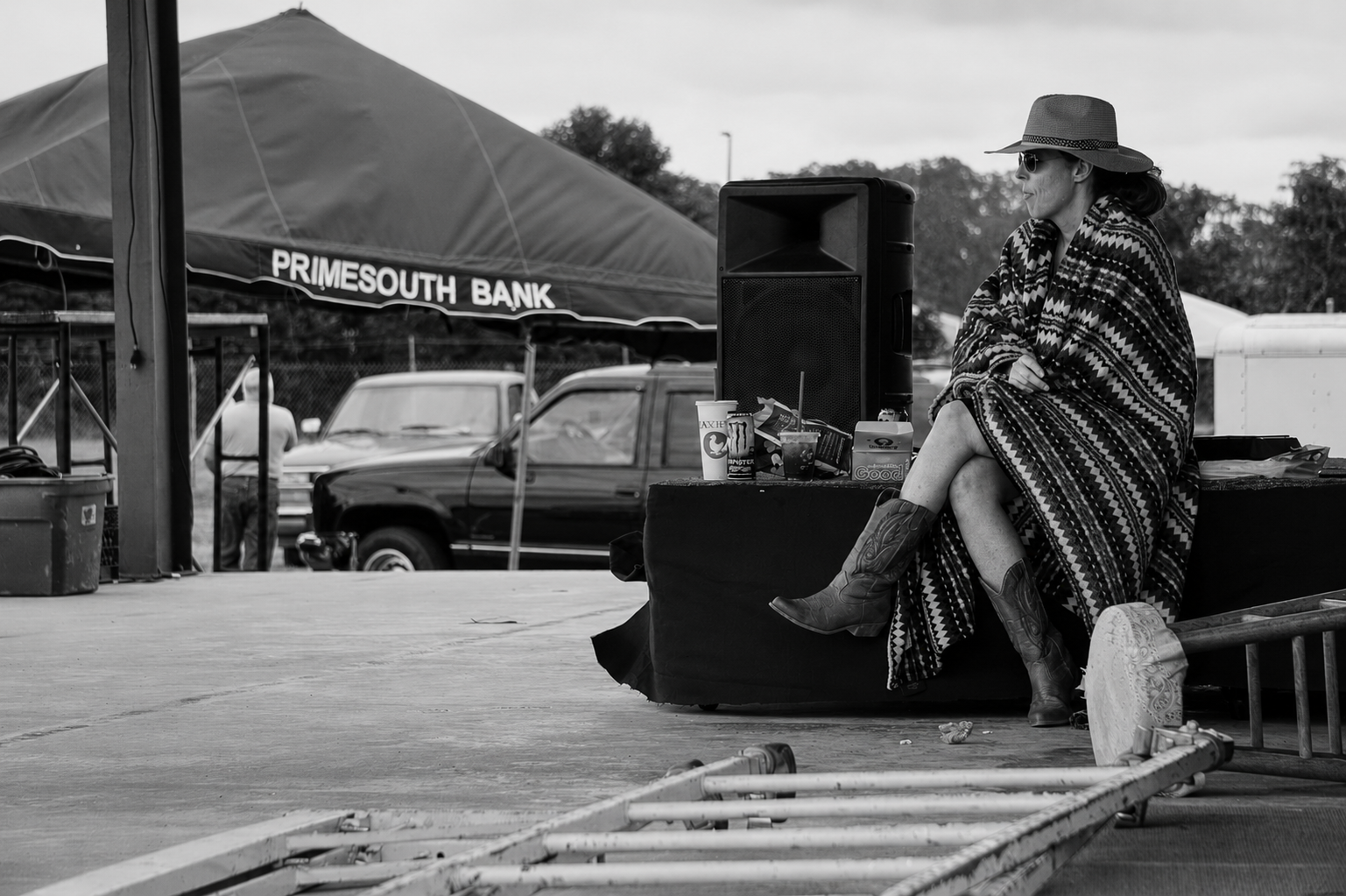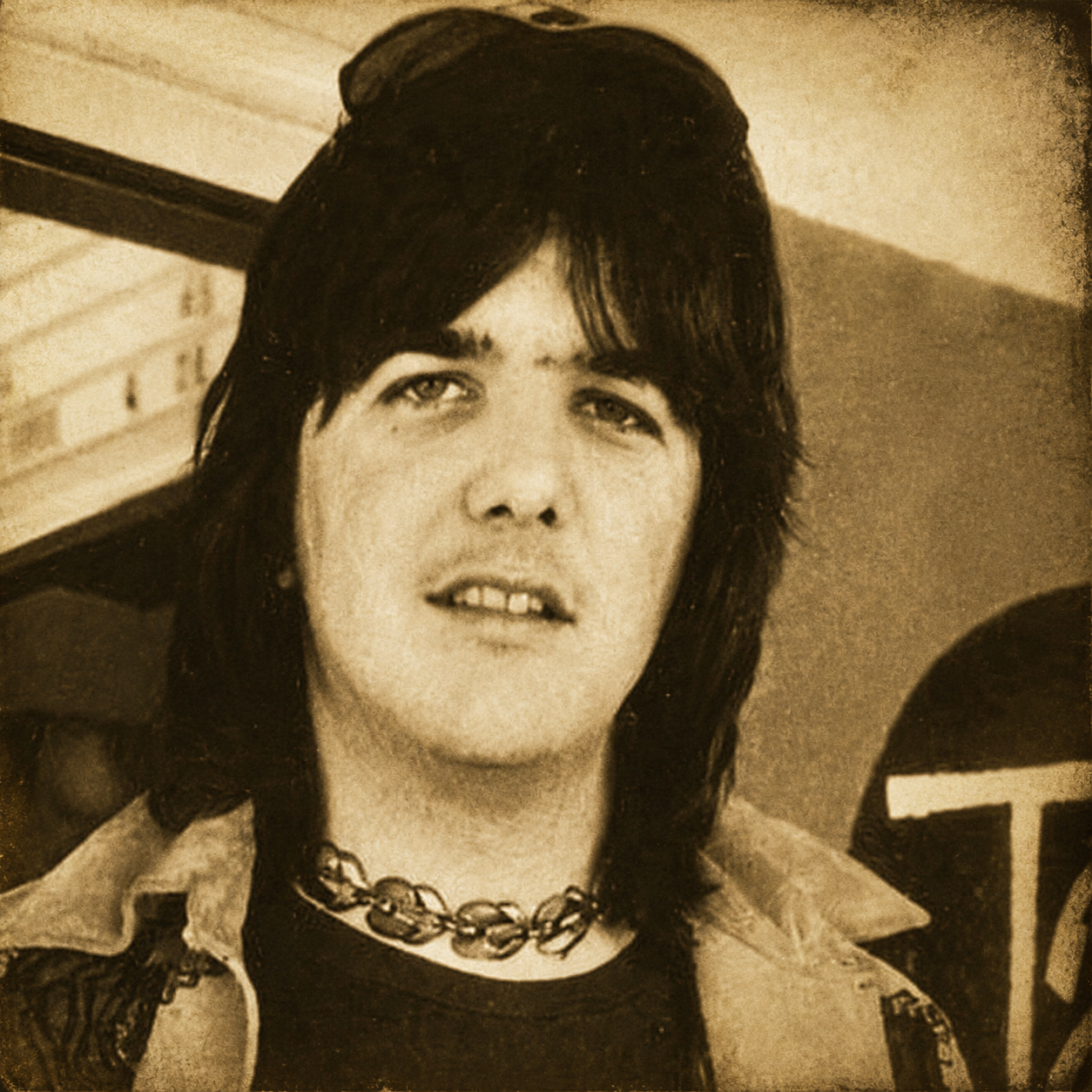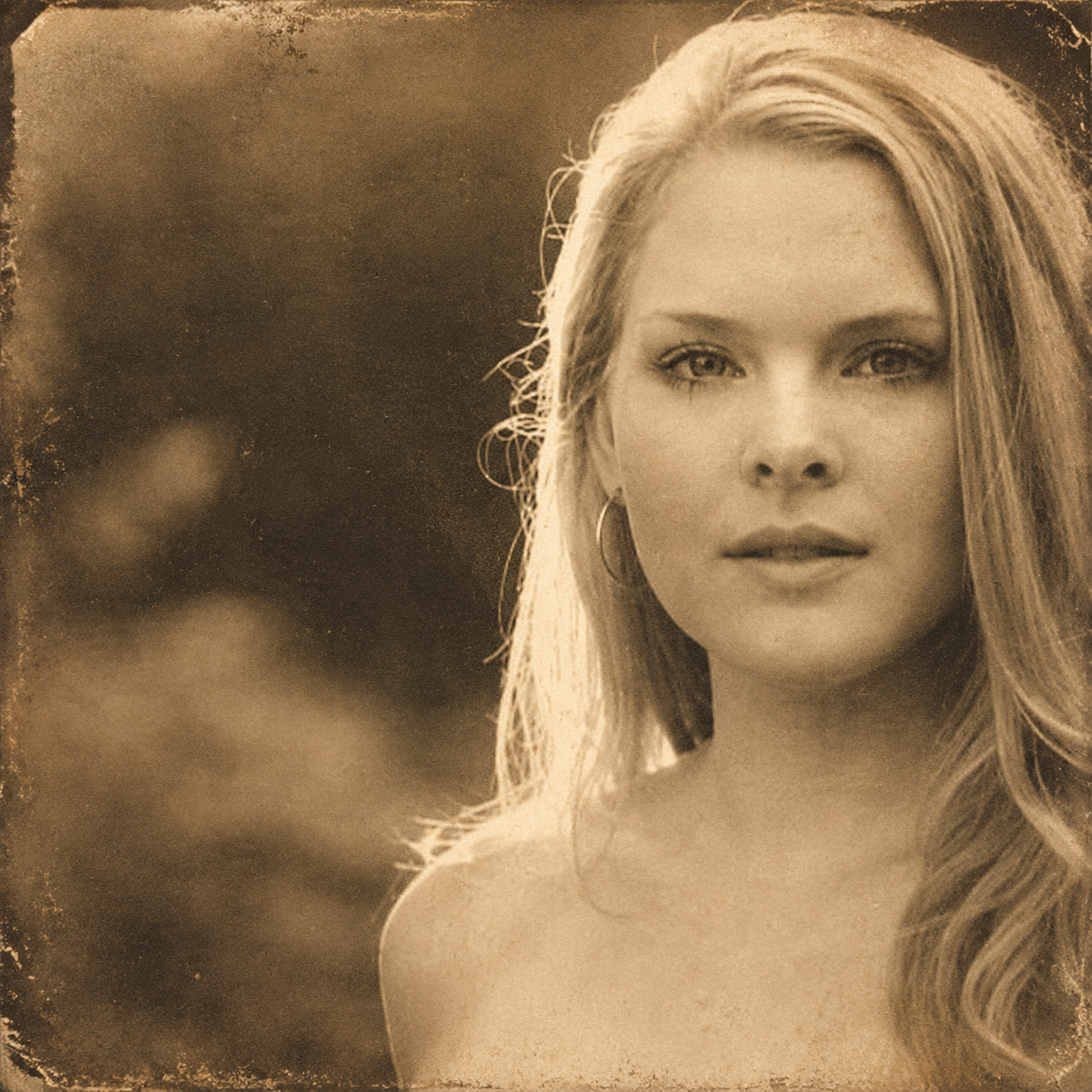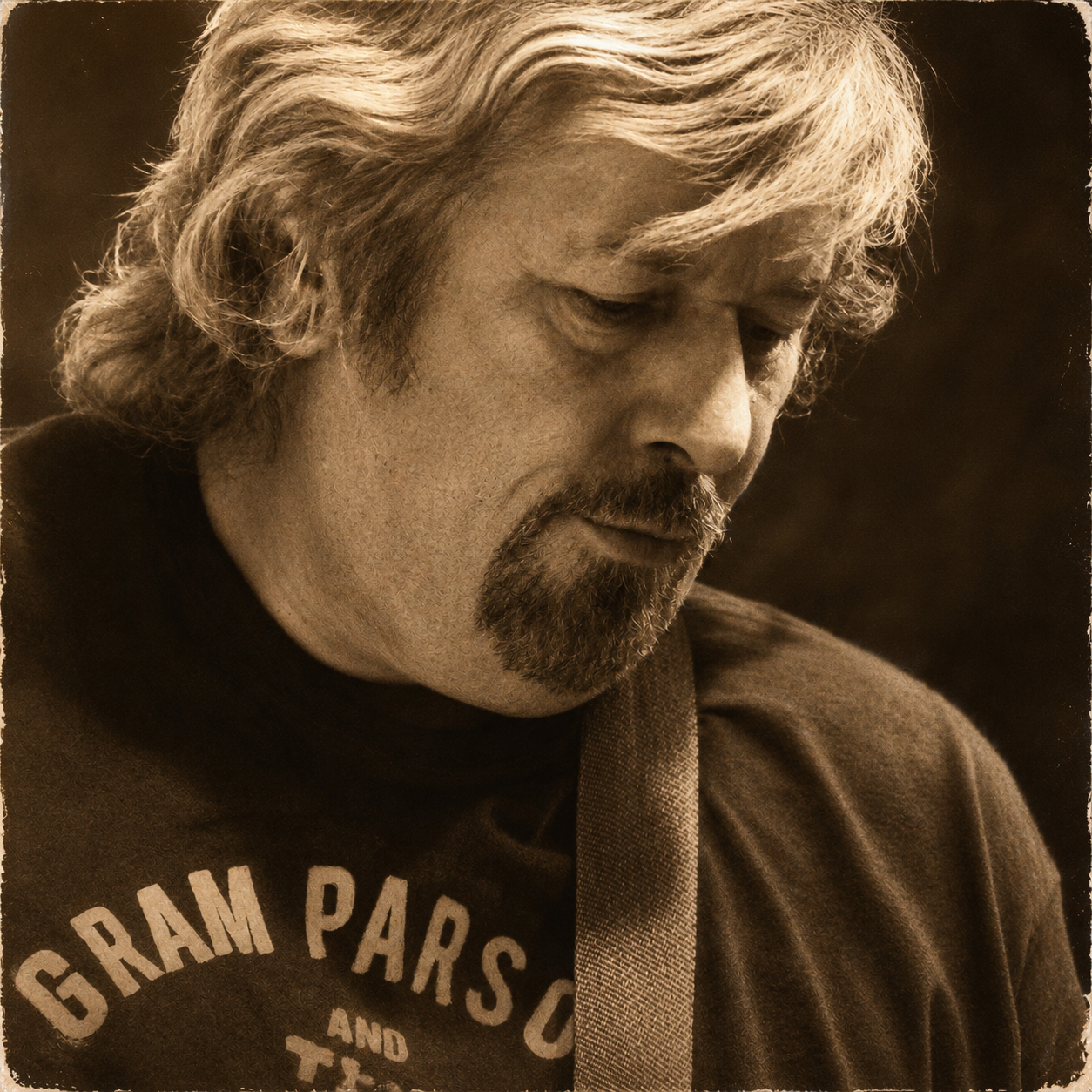
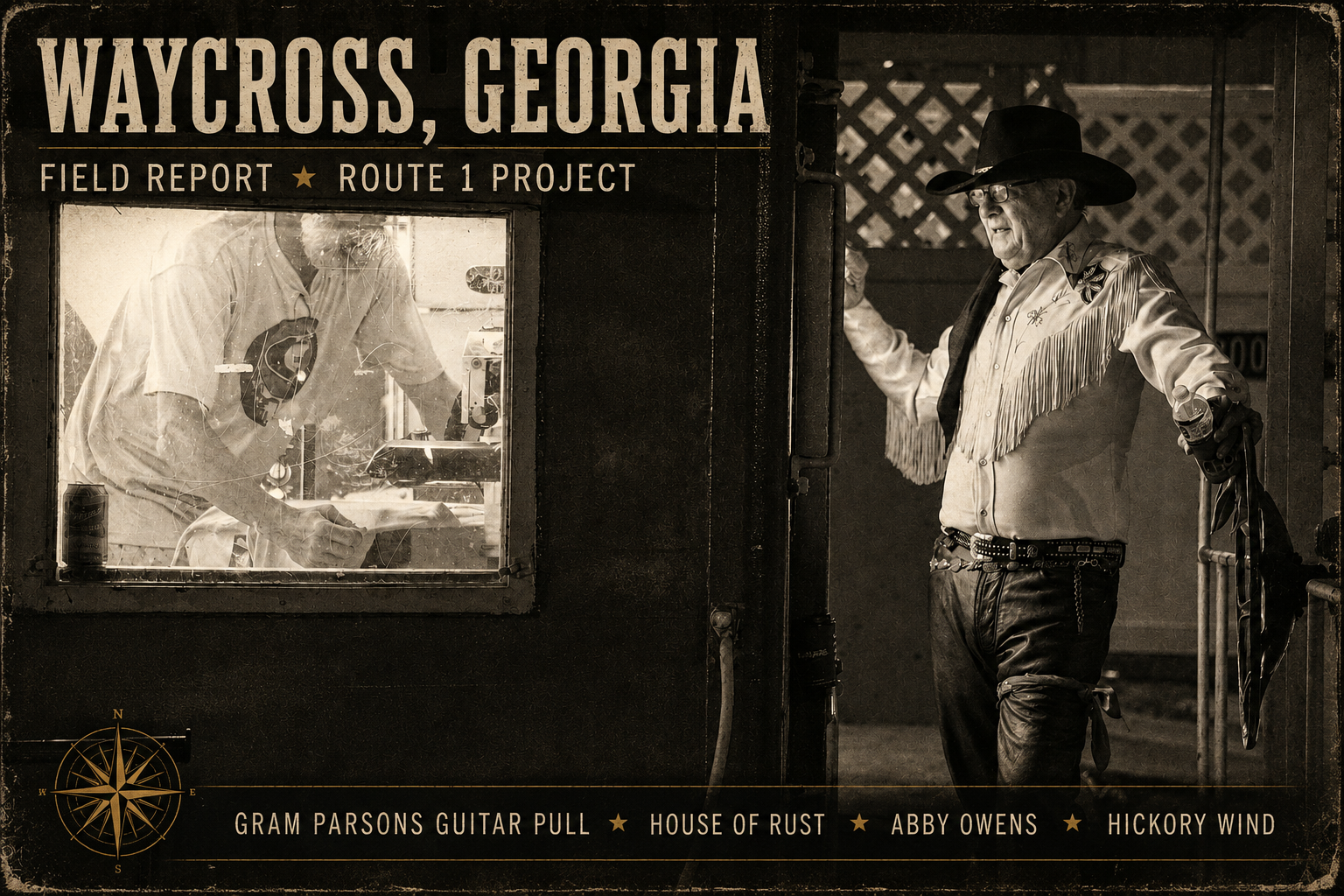
Original 2017 Charles White Photo. Route 1 - Waycross
WAYCROSS:: FIELD REPORT ::: ROUTE 1 PROJECT ::: GRAM
HOW DID I GET HERE?
“That wasted, haggard look I so admired as a kid.”
—Willie Alexander, “Booze Log”
My poor parents. My bedroom walls told the story: the Rolling Stones, Jim Morrison, Sid Vicious, and AC/DC’s If You Want Blood You’ve Got It, featuring Angus Young impaled on a guitar. Obituary collages covered the closet door, featuring John Bonham and Bon Scott. Die young and leave a pretty corpse.
Mickey O’Halloran assigned The History of Boston Rock & Roll project to me long before there was an internet, so anything I learned came through sweat equity: bookstores, magazines, thrift shops, record stores and libraries, for starters. It also didn’t hurt that I lived upstairs from David Bieber.
The real treasure, however, was in the basement of the old Victorian where Bieber kept voluminous files of photographs, press kits and newspapers. Down there, I became one with the mold and mildew. I hit the jackpot when I stumbled upon a Real Paper feature he had written in 1973—“Boston for the Record”—which was, for the most part, the definitive discography of Boston music from the 1950s through 1973. I memorized the list and spent a great portion of my early adulthood searching for anyone and anything connected to it.
I remember the moment I spotted the spine of a Gram Parsons double-album cassette: Side One, GP. Side Two, Grievous Angel. It was plucked from the thousands of cassettes retailed almost wholesale in the back of Mr. Music in Allston—three tapes for ten dollars, perhaps.I knew little to nothing about the man or his music when I popped the cassette into the car deck. The term “cow-punk” had recently entered the hipster lexicon, so I was prepared when the lonesome call of the pedal steel moaned from the speakers. It was the inception of my latest obsession. I had seen Graham Parker on the Squeezing Out Sparks tour—the two men are often confused—but this was a completely different beast.
Just below the posters, on the shelves of my teenage mausoleum, sat endless coffee-table and graphic-novel-sized books dedicated to rock & roll. The majority of their contents concerned the Rolling Stones. I was captivated by the romantic idea of Keith Richards holed up in a palace in the South of France with Anita Pallenberg. I would eventually realize that Gram Parsons was the other guy in many of those photographs. At the time, he had simply been one name too many to absorb in my quest to know everything about The Stones.
My first real introduction to Gram came through an interview I did for The Beat Magazine with Cars drummer David Robinson. Truthfully, I was more interested in hearing Robinson’s stories about the Modern Lovers and DMZ, the bands he had played with before joining Ric Ocasek.
The story went something like this:
The Modern Lovers arrived back in Los Angeles in 1973 to finish their debut album for Warner Bros. John Cale of the Velvet Underground had been assigned to produce them after the band recorded earlier demos back in Boston with rock & roll Svengali, Kim Fowley. Gram Parsons’ personal manager, Phil Kaufman, was assigned to act as their liaison to Los Angeles. Among the more memorable paths crossed was a miniature-golf expedition with Gram, who was so maladjusted that he logjammed the entire course behind him as he slowly made his way through the putting greens.
After Gram died in September 1973, Kaufman became the central figure in the surreal aftermath of his postmortem celebration. Attempting to honor Gram’s wish to be cremated at Joshua Tree, Kaufman stole the body and made a makeshift funeral pyre in the desert. The whole incident landed in a gray area of California law. The principal charge the state could make stick involved the theft of the coffin. The Modern Lovers played the benefit organized to raise money for Kaufman’s fine. Even the beer reportedly carried its own special Modern Lovers label.
A few years ago, I walked into my daughter’s apartment. She was attending to household duties while Gram Parsons provided the soundtrack. She was singing along to every word.
Impressed, I said, “Cool. You discovered Gram.”
She stopped what she was doing and looked me dead on.
“Dad, do you know how many times I heard this in the car growing up?”
I read the Ben Fong-Torres biography, Hickory Wind: The Life and Times of Gram Parsons. I collected the back issues of Rolling Stone with Gram on the cover. I read Stanley Booth’s Stones-related books and listened to GP and Grievous Angel over and over, until I no longer owned a working cassette player.
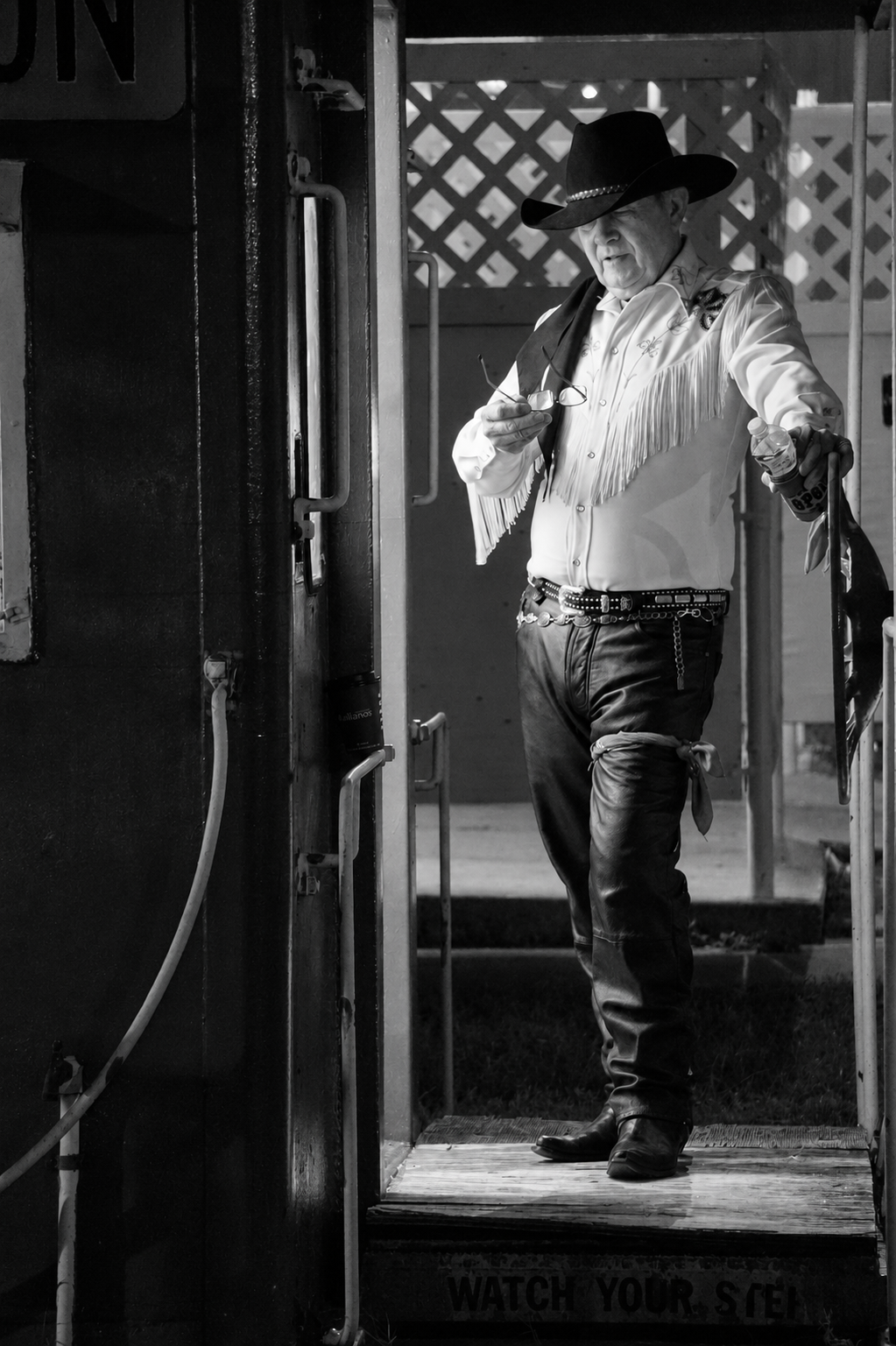
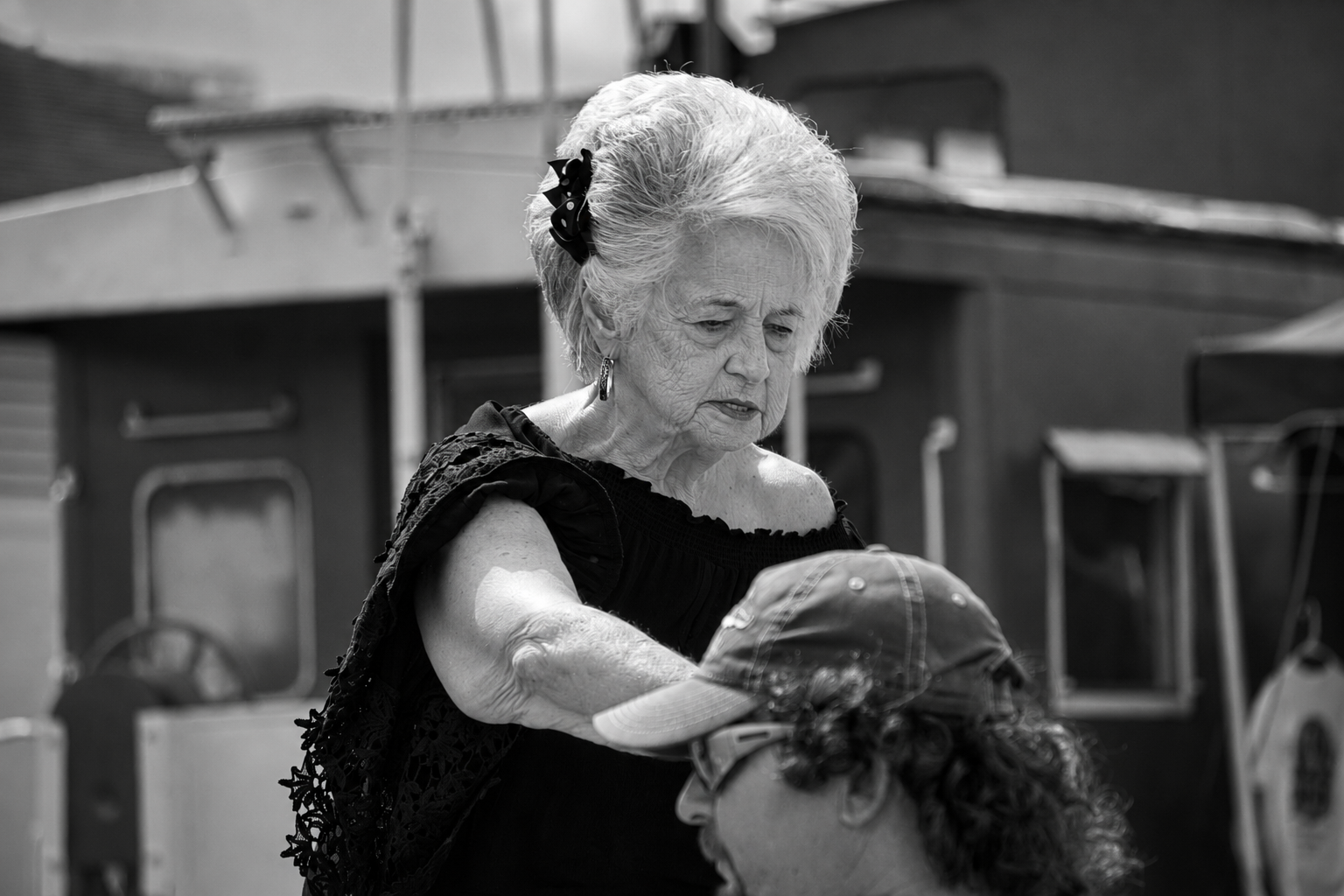
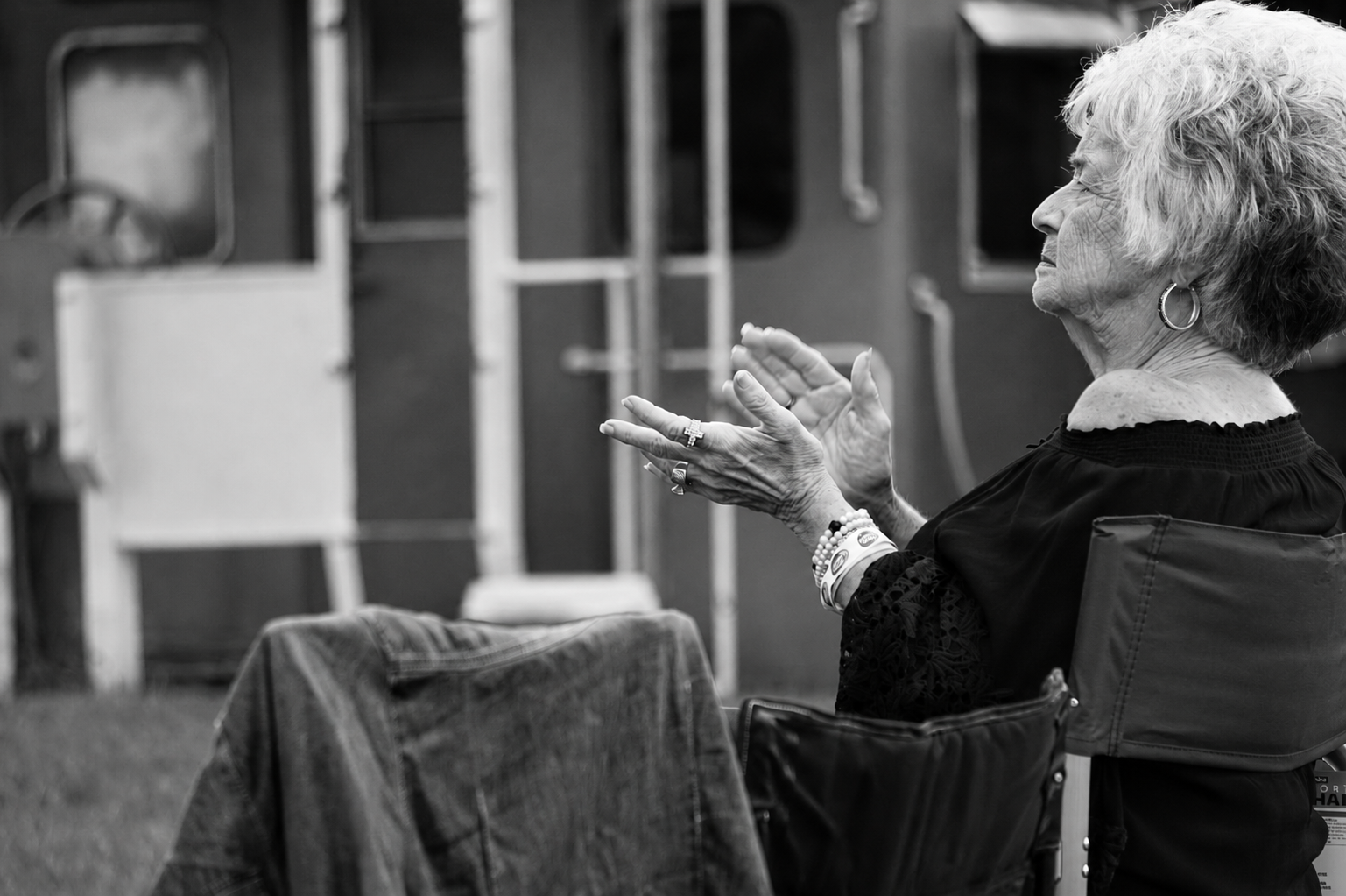
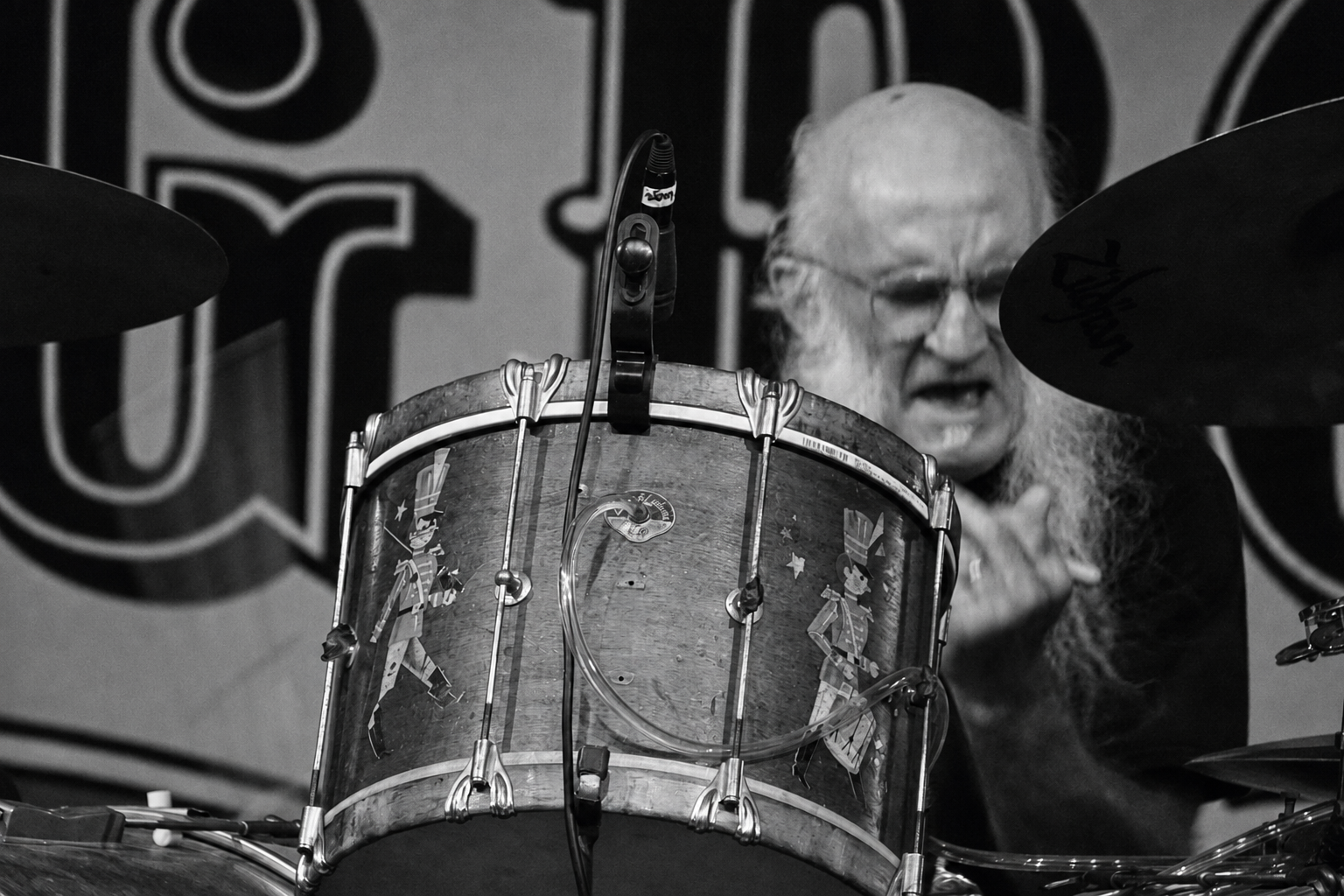
And this is how I ended up in Waycross, Georgia, in the fall of 2017.
Photos: Charles White - Waycross, Georgia - 2017