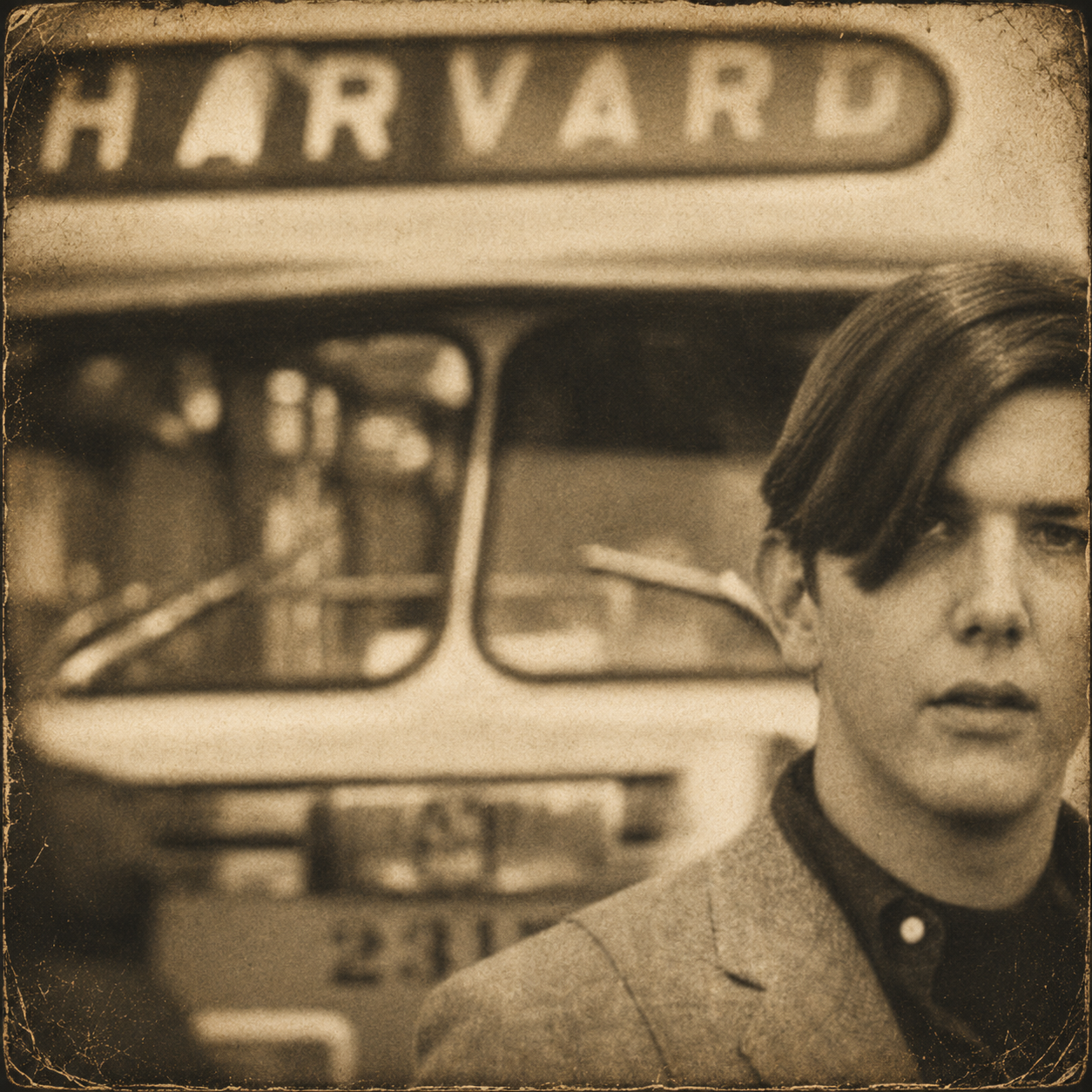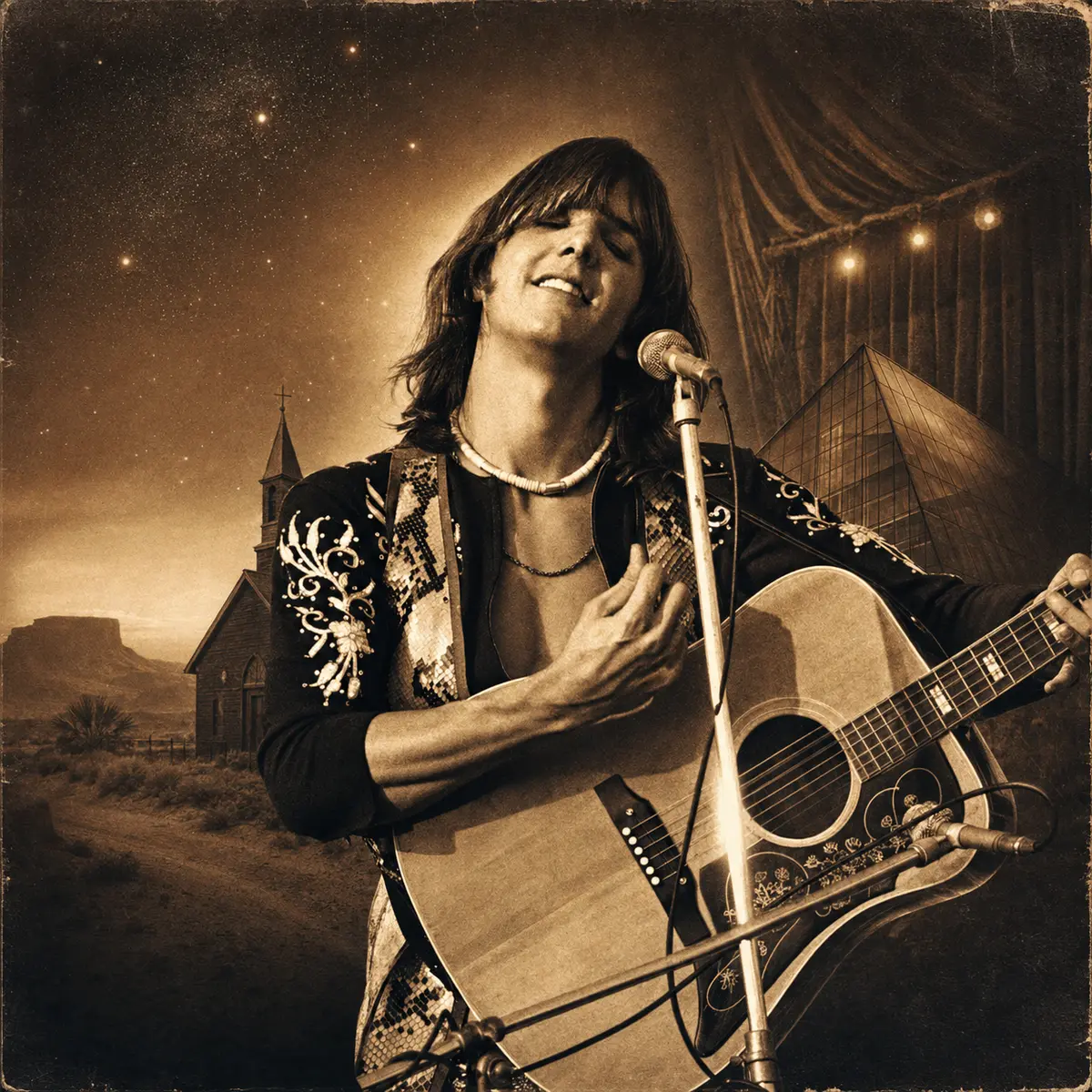


gram.
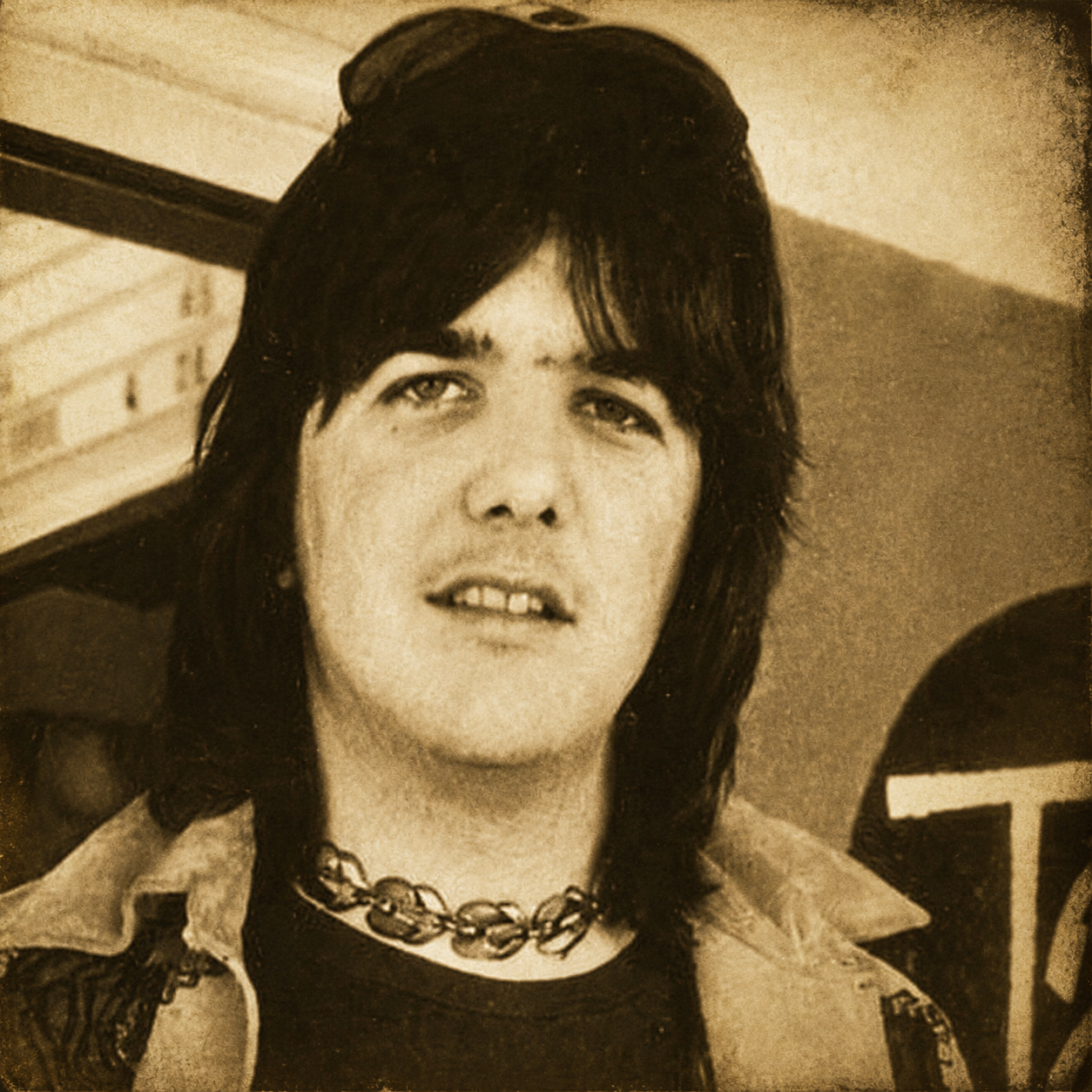
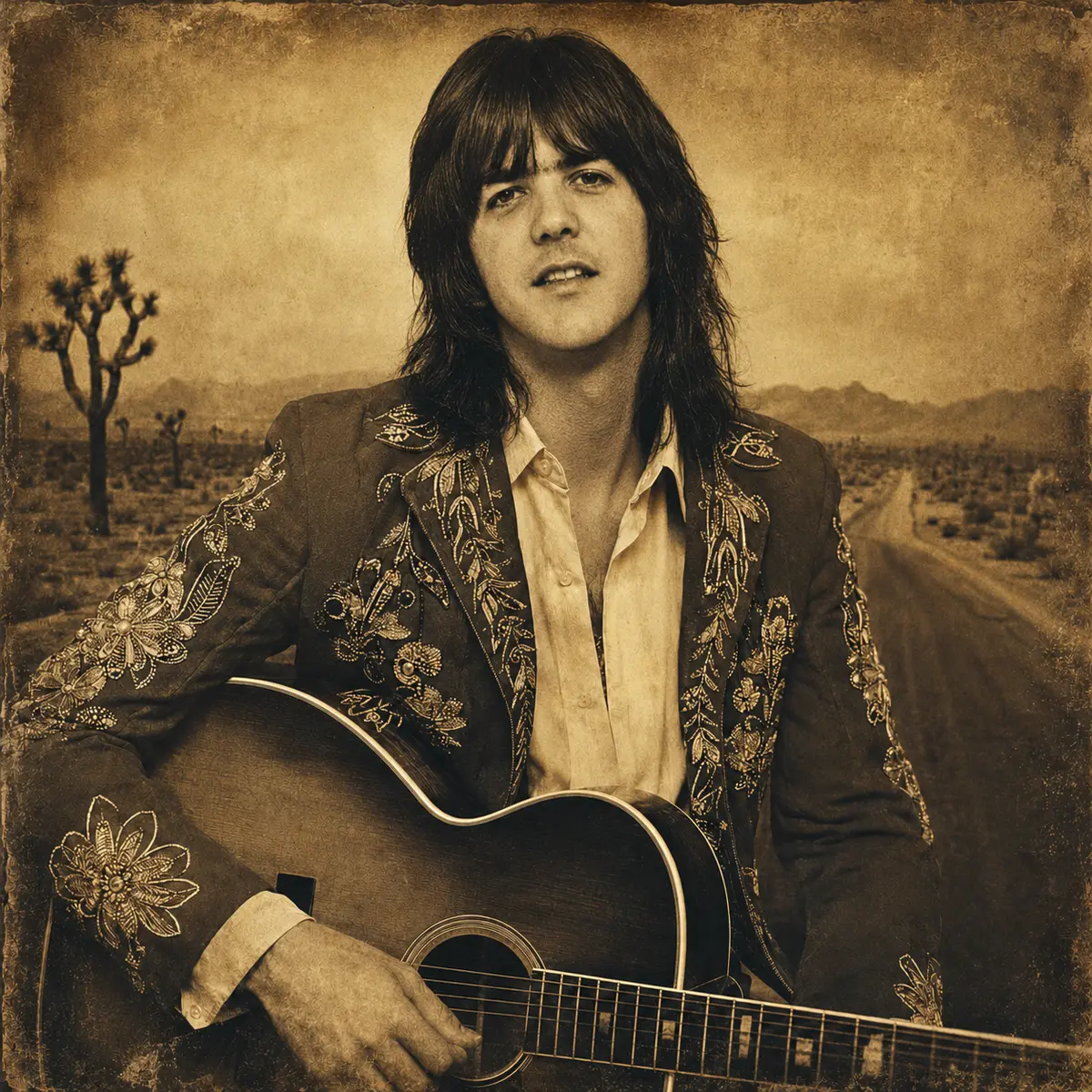
Gram is not simply the story of one remarkable musician. It is the story of how American music found its voice. Beginning with Elvis Presley's revolutionary recording of "That's All Right," the musical follows the artists, songs and chance encounters that shaped Gram Parsons' lifelong search for what he called Cosmic American Music. From the Everly Brothers, the Louvin Brothers and the folk revival to the Byrds, the Rolling Stones, Emmylou Harris and beyond, each chapter reveals another thread in an evolving musical conversation. More than a biography, Gram is an immersive journey through the hidden connections that transformed country, rock, gospel, soul and folk into a distinctly American language—and how one dreamer became its greatest evangelist.
MUSIC
Elvis Presley:
That's Alright Mama
Elvis opened the door. Gram Parsons spent the rest of his life exploring the house.
MUSIC
Everly Brothers:
Love Hurts
Phil and Don taught rock & roll that harmony could be every bit as powerful as the beat.
The Kingston Trio made folk music safe enough for America to fall in love with it.
MUSIC
Louvin Brothers:
Cash On The Barrelhead
If the Everly Brothers taught Gram how to harmonize, the Louvin Brothers taught him why
MUSIC
Buck Owens:
Act Naturally
Before Gram Parsons embraced Bakersfield, the Beatles already had—thanks to Buck Owens.
MUSIC
Merle Haggard:
Someone Else You've Known
When Gram Parsons heard Merle Haggard, he stopped listening to country music as nostalgia and started hearing it as art.
MUSIC
George Jones:
That's All It Took
George Jones taught Gram Parsons that the most powerful instrument in country music wasn't the steel guitar—it was the human voice.
MUSIC
Bobby Bare:
The Streets of Baltimore
Bobby Bare taught Gram Parsons that sometimes the greatest gift a singer can give is choosing the right song.
MUSIC
The Remains:
Don't Look Back
Barry Tashian showed Gram Parsons that American rock didn't have to come from England.
MUSIC
The International Submarine Band:
Luxury Liner
The International Submarine Band was where Gram Parsons stopped listening to Cosmic American Music and started creating it.
MUSIC
The Byrds:
Hickory Wind
The Byrds gave Gram Parsons the stage. He gave them a new direction.
MUSIC
Woody Guthrie:
Pretty Boy Floyd
Woody Guthrie proved that a song could tell the history of America.
MUSIC
Wilco:
100 Years From Now
Jeff Tweedy proved that Cosmic American Music wasn't a moment—it was a future.
MUSIC
Flying Burrito Brothers:
Sin City
The Flying Burrito Brothers turned Gram Parsons' vision into a movement.
MUSIC
Rolling Stones:
Wild Horses
Where the friendship between Keith Richards and Gram Parsons found its immortal soundtrack.
MUSIC
Carl Butler & Pearl:
We'll Sweep Out The Ashes In The Morning
Pearl and Carl Butler sang what they lived—and taught country music to do the same.
MUSIC
Rolling Stones:
Sweet Virginia
Gram Parsons didn't change the Rolling Stones—he reminded them where they came from.
MUSIC
J. Geils Band:
Cry One More Time
Peter Wolf proved that rhythm & blues could shake an arena without losing its soul.
MUSIC
Gram Parsons:
Return of the Grievous Angel
Gram Parsons' farewell—and his mission statement.
MUSIC
Lemonheads:
Brass Buttons
Evan Dando proved that Gram Parsons belonged as much to alternative rock as to country music.
MUSIC
Gram Parsons:
In My Hour Of Darkness
Transformed personal tragedy into one of country music's most profound songs.
MUSIC
The Circle:
Emmylou
First Aid Kit proved that Cosmic American Music belongs to the world.