
STANLEY BOOTH

(1942 – 2024)
BOOKS ::: AUTHOR ::: GRAM
Stanley Booth was a journalist only because the English language had not yet invented a better name for what he did. Born in Waycross, Georgia, he found his true education in Memphis, where his friendship with Jim Dickinson opened doors no press credential could unlock. Booth wrote seriously about Elvis Presley when serious writers still considered Elvis beneath them, stood inside Stax as Otis Redding and Steve Cropper shaped “(Sittin’ On) The Dock of the Bay,” and found Furry Lewis sweeping city streets decades after the bluesman had recorded with W.C. Handy’s circle. Booth did not rescue these musicians from obscurity. He listened closely enough to understand that obscurity was the culture’s failure—not theirs.
In 1968, Booth went to London to cover Brian Jones’ drug trial and glimpsed something in the condemned Rolling Stone that demanded a longer investigation. He entered the band’s confidence, traveled with the Rolling Stones across America in 1969 and followed the tour to Altamont, where the peace-and-love mythology of the sixties died in public. Somewhere inside that orbit, the Stones introduced him to Gram Parsons of the Flying Burrito Brothers. Booth and Parsons had both come from Waycross but needed rock & roll to carry them across a continent before they could meet. Booth recognized the common geography immediately: Southern wealth and poverty, church music and narcotics, beautiful manners covering bottomless appetites.
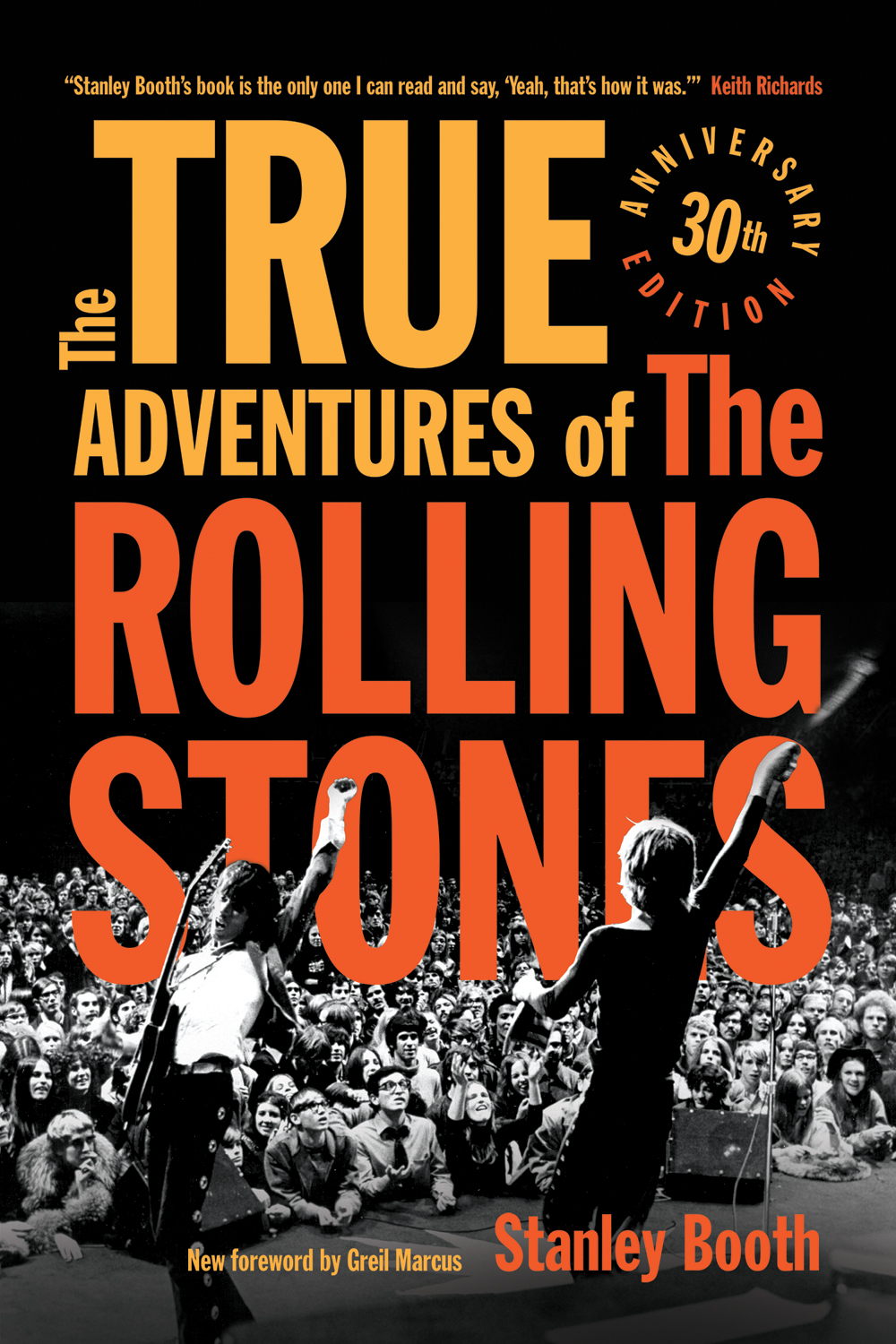
It took Booth fifteen years to finish Dance with the Devil: The Rolling Stones and Their Times because he had not merely observed the story—he had survived it. Keith Richards called it the one Stones book that told the truth, which may be the highest compliment ever paid by a man with so much invested in mythology. Booth later appeared in Tom Thurman’s documentaries Movies of Color and Peckinpah, extending his witness from Southern music into the hidden and damaged history of American film. His final great collaboration was with the poet Diann Blakely, his wife and literary equal, whose presence brought the story back from the devil toward something resembling grace. Stanley Booth spent his life proving that the real history of American culture is written by those willing to remain in the room after everyone respectable has left.