
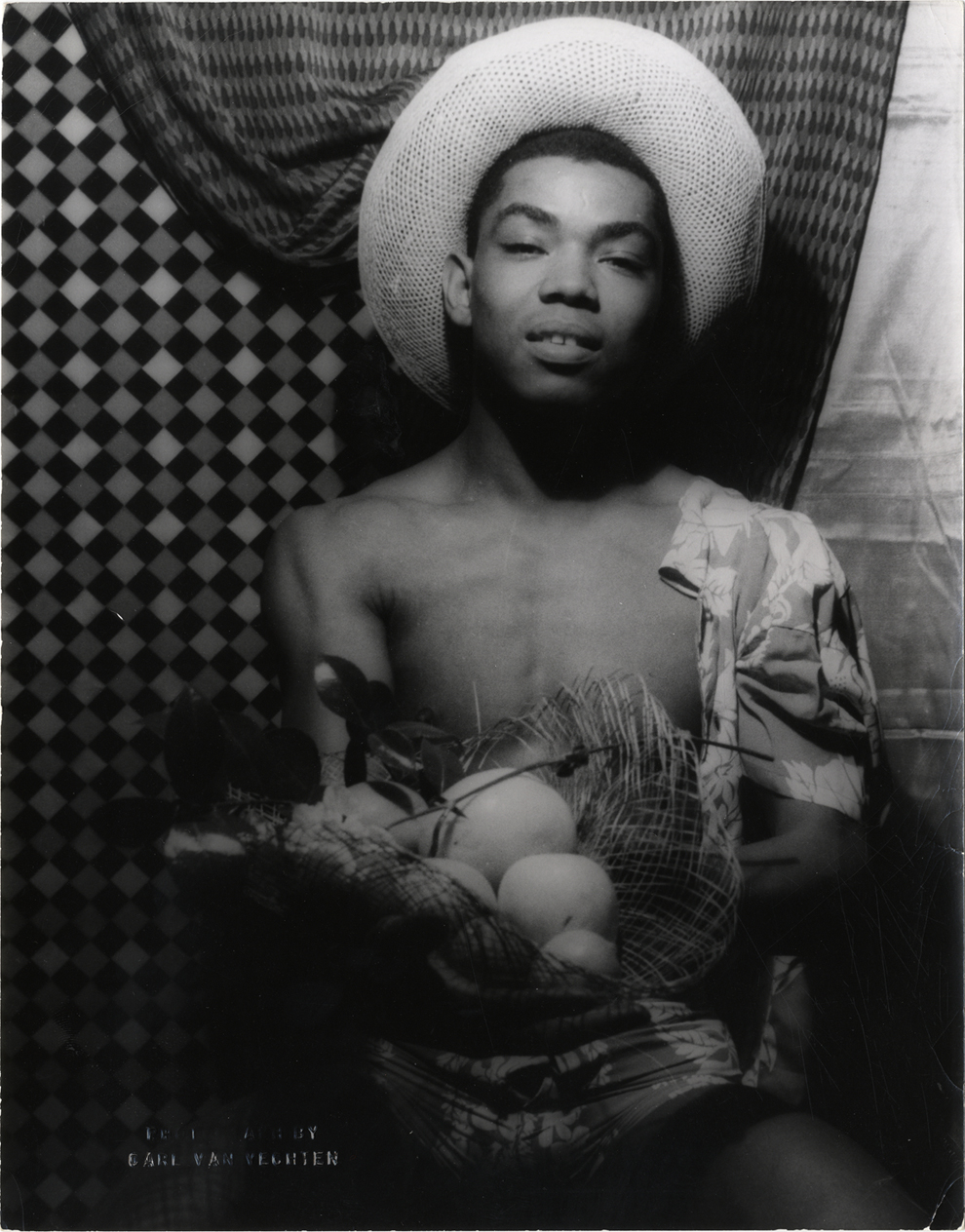
ALVIN AILEY

(1931 – 1989)
ART ::: DANCE :::
Cultural Ambassador to the World.
Alvin Ailey is one of the greatest choreographers who ever lived—and most people have no idea who he is because dance, unlike music or film, rarely gets folded into everyday cultural memory. Ailey didn’t just make dances; he redefined what dance could carry. He proved that movement could hold history, faith, grief, joy, sexuality, and survival all at once, without explanation or translation. Where other art forms relied on words or narrative, Ailey trusted the body itself as a vessel of meaning. His genius lay in making something deeply specific feel universally human.
What made Ailey great was not virtuosity alone, but clarity of purpose. He fused modern dance technique with African American spirituals, gospel, blues, and lived experience, creating works that felt both ancient and immediate. Revelations, his most famous piece, is not famous because it is flashy—it’s famous because it recognizes people. Audiences see their own suffering, endurance, and joy mirrored onstage, whether or not they know anything about dance. Ailey understood rhythm as memory, gesture as inheritance, and ensemble as community. He choreographed not for elites, but for everyone, insisting—quietly but firmly—that Black experience belonged at the center of American art.
The reason Ailey remains under-recognized by the average person is structural, not artistic. Dance is ephemeral. It leaves no hit song, no movie clip that loops endlessly on television. And Ailey himself resisted spectacle in his personal life, choosing privacy over myth-making. Yet his impact is enormous: generations of dancers trained in his vocabulary, audiences across the globe introduced to American modern dance through his company, and a living repertoire that continues to move people who may never learn his name. If genius is measured by how deeply an artist changes what comes after them, Alvin Ailey wasn’t just great—he was foundational.