
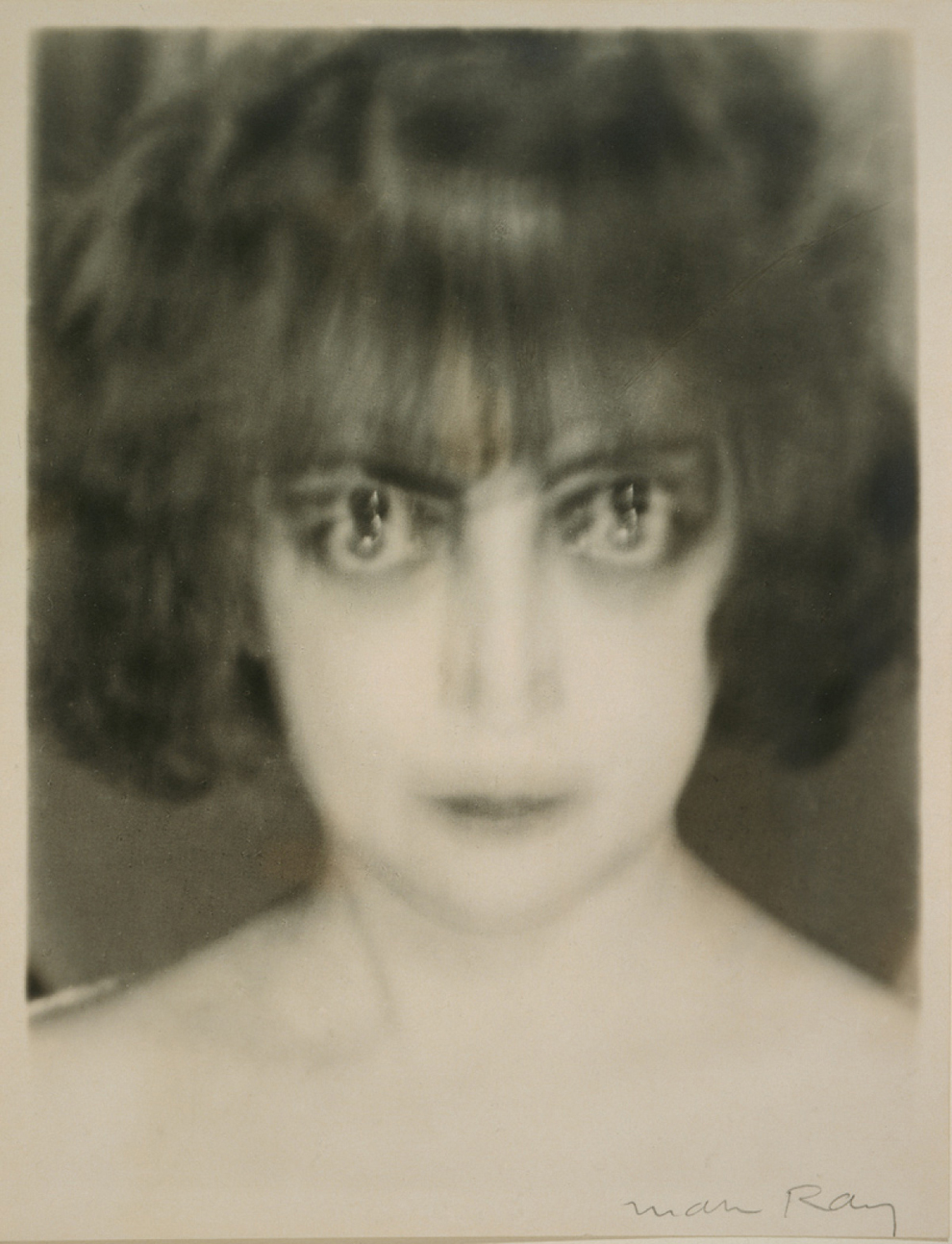
Luisa Casati by Man Ray
LUISA CASATI

(1881 - 1957)
ART ::: PATRONESS OF THE ARTS :::
Luisa Casati didn’t collect art—she became it. Heiress, muse, provocateur, she treated her own body and life as a moving installation decades before performance art had a name. With kohl-rimmed eyes, live cheetahs on diamond leashes, and Venetian palazzos lit like fever dreams, Casati rejected the polite role of aristocratic womanhood and instead staged herself as spectacle, myth, and warning. She understood instinctively what the 20th century would soon learn: attention is power, and identity can be authored.
Artists followed her gravity. Giovanni Boldini, Romaine Brooks, Augustus John, Man Ray—each tried to capture what could never quite be fixed on canvas: Casati as living flame. She haunted Futurism, Symbolism, and Decadence without belonging to any of them, a one-woman avant-garde whose influence rippled through fashion, theater, photography, and nightlife. Long before Bowie, Warhol, or Leigh Bowery, Casati grasped the idea of the self as a curated hallucination.
The ending was as operatic as the rise. Casati spent her fortune into ruin, fled creditors, and died in near poverty in London in 1957—wrapped, fittingly, in leopard skin. But the point was never permanence. Luisa Casati proved that art doesn’t have to survive to matter. Sometimes it only needs to burn brightly enough to leave an afterimage—and teach future generations that living differently is itself a radical act.