
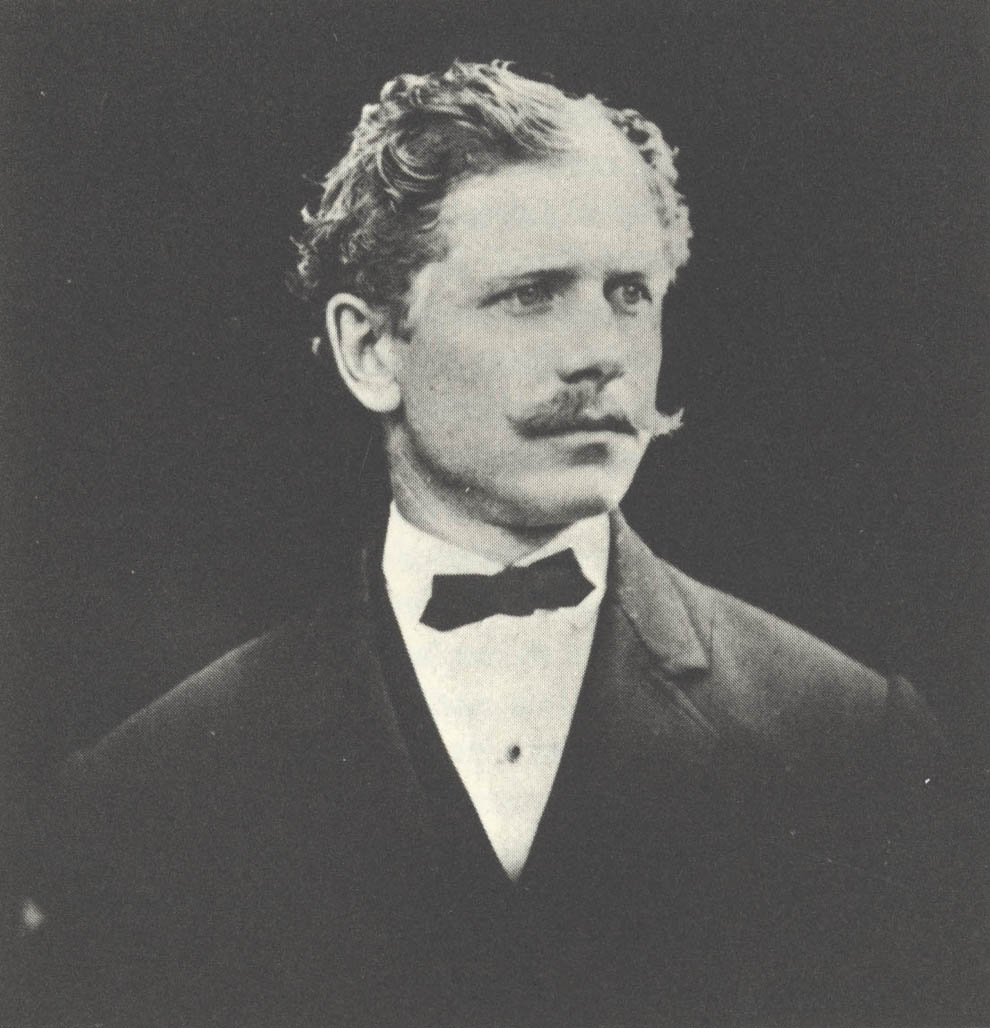
AMBROSE BIERCE
(1842–1914?)
BOOKS :::
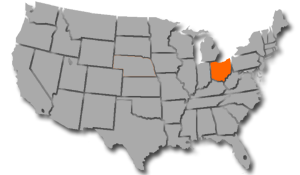
Ambrose Bierce was America's great professional skeptic. Born in rural Ohio on June 24, 1842, he survived the Civil War, became one of the most feared journalists in the country, and spent the next half-century sharpening words into weapons. Through newspaper columns, short stories, and The Devil's Dictionary, Bierce launched a one-man assault on hypocrisy, pomposity, corruption, sentimentality, and human foolishness in all its forms. He distrusted institutions, slogans, politicians, preachers, and crowds. Most of all, he distrusted certainty. His humor wasn't designed to make people comfortable. It was designed to make them squirm.
Yet beneath the cynicism was one of America's greatest literary innovators. In stories like An Occurrence at Owl Creek Bridge, Bierce explored memory, perception, illusion, and the fragile boundary between reality and imagination decades before modernism became fashionable. His characters often occupy strange thresholds where time bends, truth becomes unstable, and the mind creates worlds of its own. Reading Bierce today feels surprisingly contemporary because he understood something we still struggle with: human beings rarely experience reality directly. We experience stories about reality, many of them self-invented.
Then came the ending. In 1913, at seventy-one years old, Bierce rode into revolutionary Mexico and vanished. Some claimed he died before a firing squad. Others believed he disappeared into the Grand Canyon. Investigators searched. Witnesses contradicted one another. Rumors multiplied. No answer ever arrived. It is difficult to imagine a more perfect conclusion for Ambrose Bierce. The man who spent a lifetime exposing the fictions of others ultimately transformed himself into one. More than a century later, he remains suspended somewhere between history and myth, proof that sometimes the greatest mystery is not how a life ends, but how a story refuses to.