
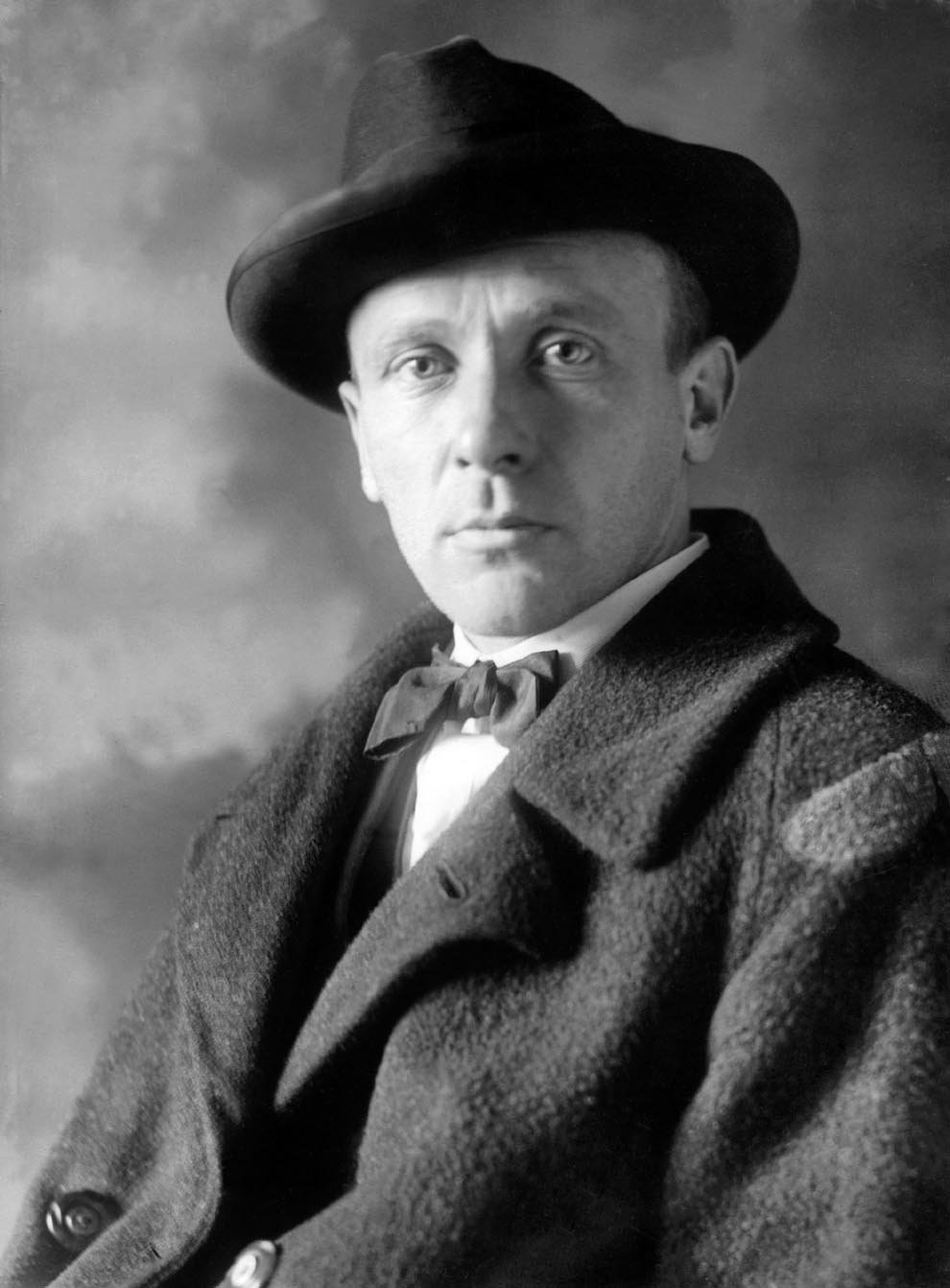
MIKHAIL BULGAKOV
(1861 - 1920)
BOOKS ::: AUTHOR :::
Mikhail Bulgakov’s The Master and Margarita is less a novel than a controlled detonation — a book written under censorship that learned to disguise its rage as laughter, magic, and myth. When the Devil arrives in 1930s Moscow, he doesn’t bring chaos so much as clarity, exposing a society already corroded by fear, hypocrisy, and bureaucratic obedience. Bulgakov’s satire cuts because it isn’t abstract; it names the absurdity of power and lets it humiliate itself in public.
At the center of the madness is a love story that refuses to be erased. The Master, a persecuted writer, and Margarita, his fierce and uncompromising ally, embody devotion as resistance — loyalty not just to each other, but to imagination itself. Margarita’s transformation, flight, and descent into the infernal are not punishments but permissions: a reclamation of agency in a world that punishes truth.
Threaded through the spectacle is the quiet, devastating counter-narrative of Pontius Pilate, haunted by a single moral failure — cowardice in the face of power. Bulgakov binds ancient guilt to modern repression, insisting that the same ethical choices repeat across time. The Master and Margarita endures because it refuses to behave: it mocks authority, sanctifies love, and insists that art, once unleashed, cannot be censored — only delayed.