
CLAUDE BROWN
(1937 - 2002)
BOOKS ::: AUTHOR :::
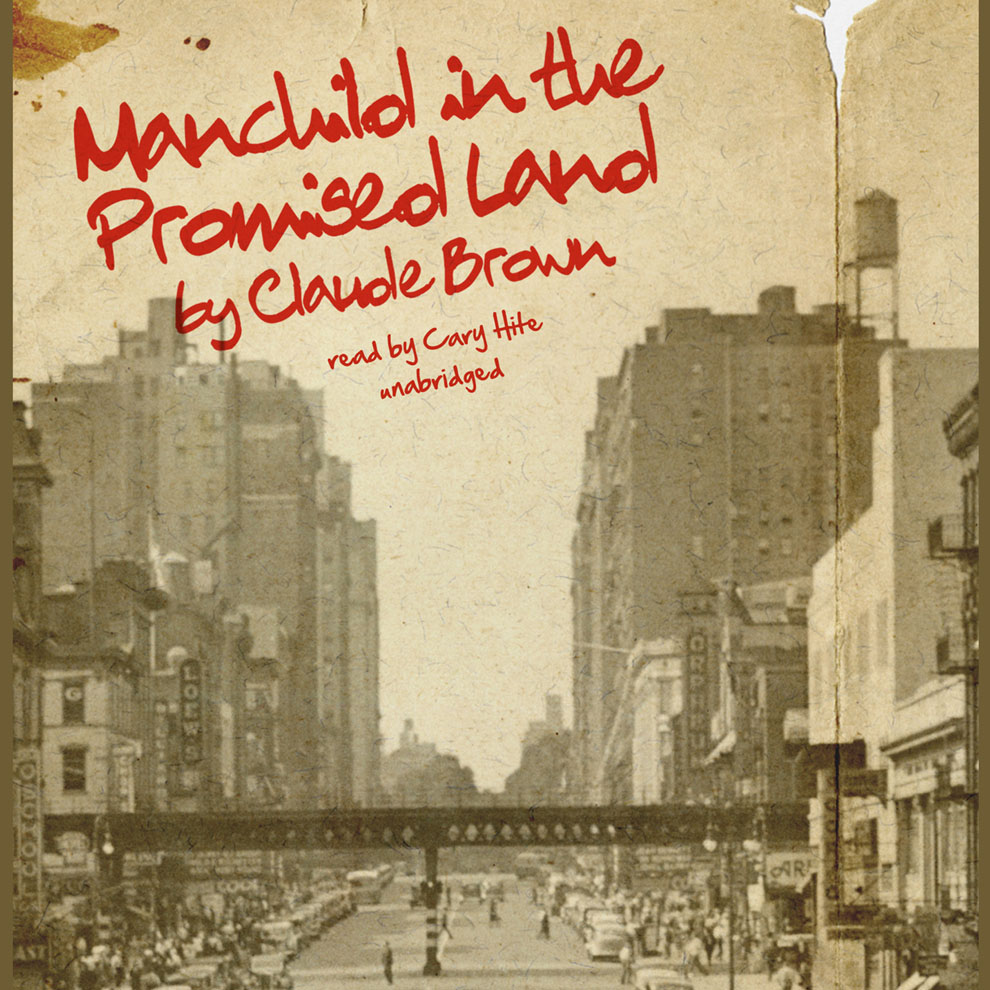
Claude Brown didn’t write about Harlem — he wrote from inside it. Born into the crowded tenements of 1940s and 50s uptown Manhattan, he came of age in a neighborhood already abandoned by the promises of the American century. The war boom, the suburbs, the optimism — none of it reached Lenox Avenue. What did reach was overcrowding, street gangs, hustling, and the heroin wave that swallowed an entire generation of kids before they were old enough to vote. Brown was one of them: arrests, reform schools, survival decisions made at thirteen that most people never have to make in a lifetime. When he finally put it on paper in 1965, Manchild in the Promised Land landed like a police siren in a quiet suburb — not sociology, not fiction, but testimony.
Wiltwyck School for Boys upstate didn’t “save” him so much as interrupt the script. For the first time, adults expected him to think instead of react. Brown discovered that language could do something fists and bravado couldn’t: it could explain how a child becomes a delinquent long before he ever chooses to be one. His writing stripped away both liberal romanticism and conservative moralizing. Harlem wasn’t a pathology and it wasn’t a mythic community either — it was a place where children learned fast because childhood was a luxury. Middle-class America had imagined racial injustice as a Southern story; Brown forced readers to confront a Northern one.
The shock of the book wasn’t just the violence — it was the clarity. Brown refused to play either victim or hero. He wrote with humor, brutality, and affection all at once, making readers understand that the kids newspapers called “juvenile delinquents” were often just kids navigating systems already stacked against them. Manchild in the Promised Land didn’t propose a program or a policy. It did something more dangerous: it made people recognize their own country. Long before hip-hop, before urban memoirs became a genre, Claude Brown gave America a voice it couldn’t comfortably categorize — not protest, not literature, but witness.