
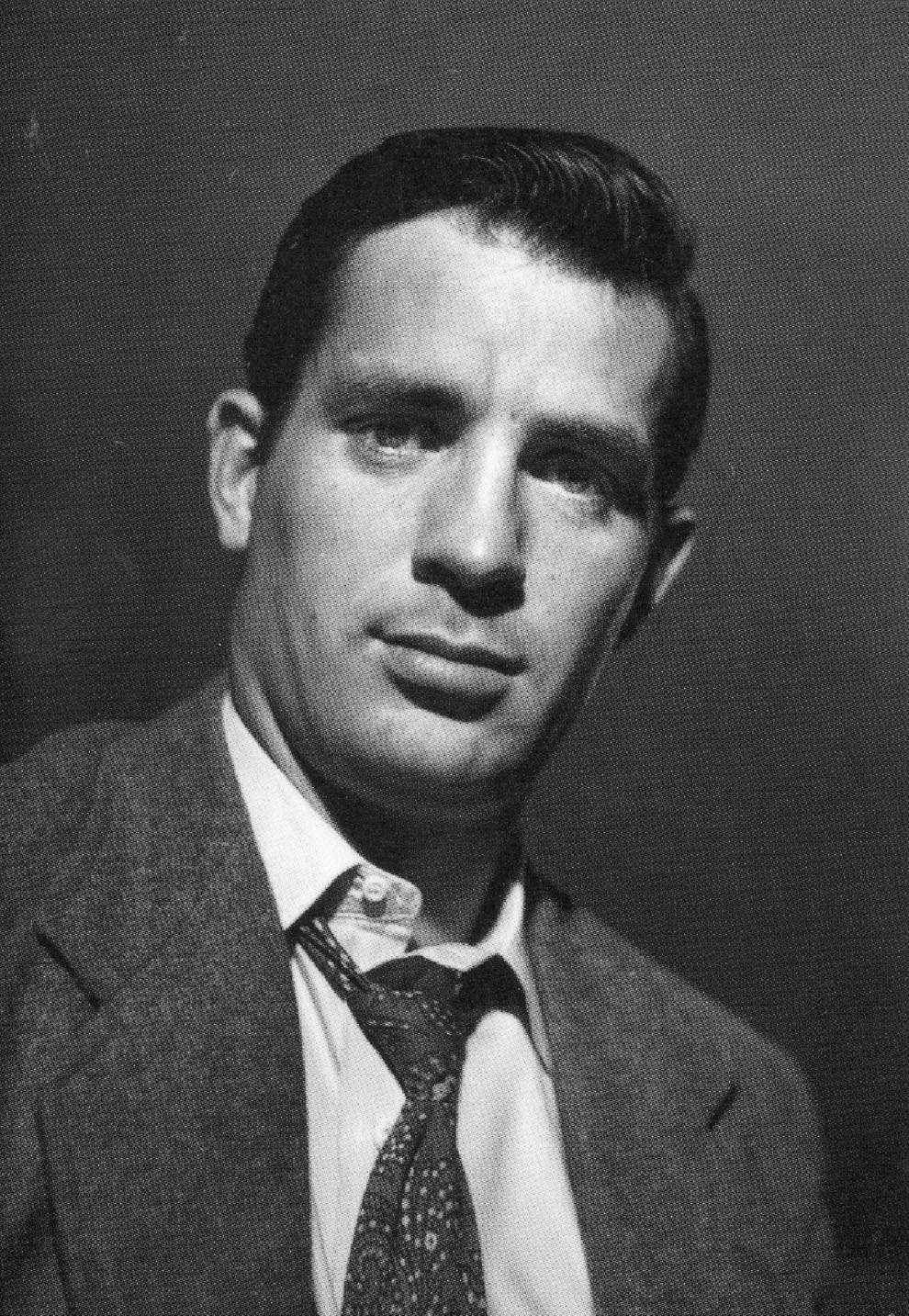
JACK KEROUAC
(1922 – 1969)
BOOKS ::: POET :::
Jack Kerouac burned through American literature like a live wire—poet first, novelist second, and Beat by necessity rather than design. Emerging from the postwar pressure cooker, he helped give voice to a generation restless with conformity, speed-drunk on possibility, and searching for something holy in motion. Kerouac’s work is less about rebellion than revelation: the attempt to catch life as it happens.
On the Road crystallizes that impulse, tracing a restless pilgrimage powered by friendship, improvisation, and desire. Alongside Allen Ginsberg, William S. Burroughs, and the catalytic presence of Neal Cassady, Kerouac chased a literature that moved at the speed of thought and breath. The novel’s rush is inseparable from its vulnerability—freedom pursued without a map.
Kerouac’s legacy is often romanticized, but beneath the myth is a writer obsessed with form, rhythm, and spiritual yearning. His sentences lean toward jazz, prayer, and confession all at once. Kerouac endures not because he promised escape, but because he recorded the cost of chasing it.