
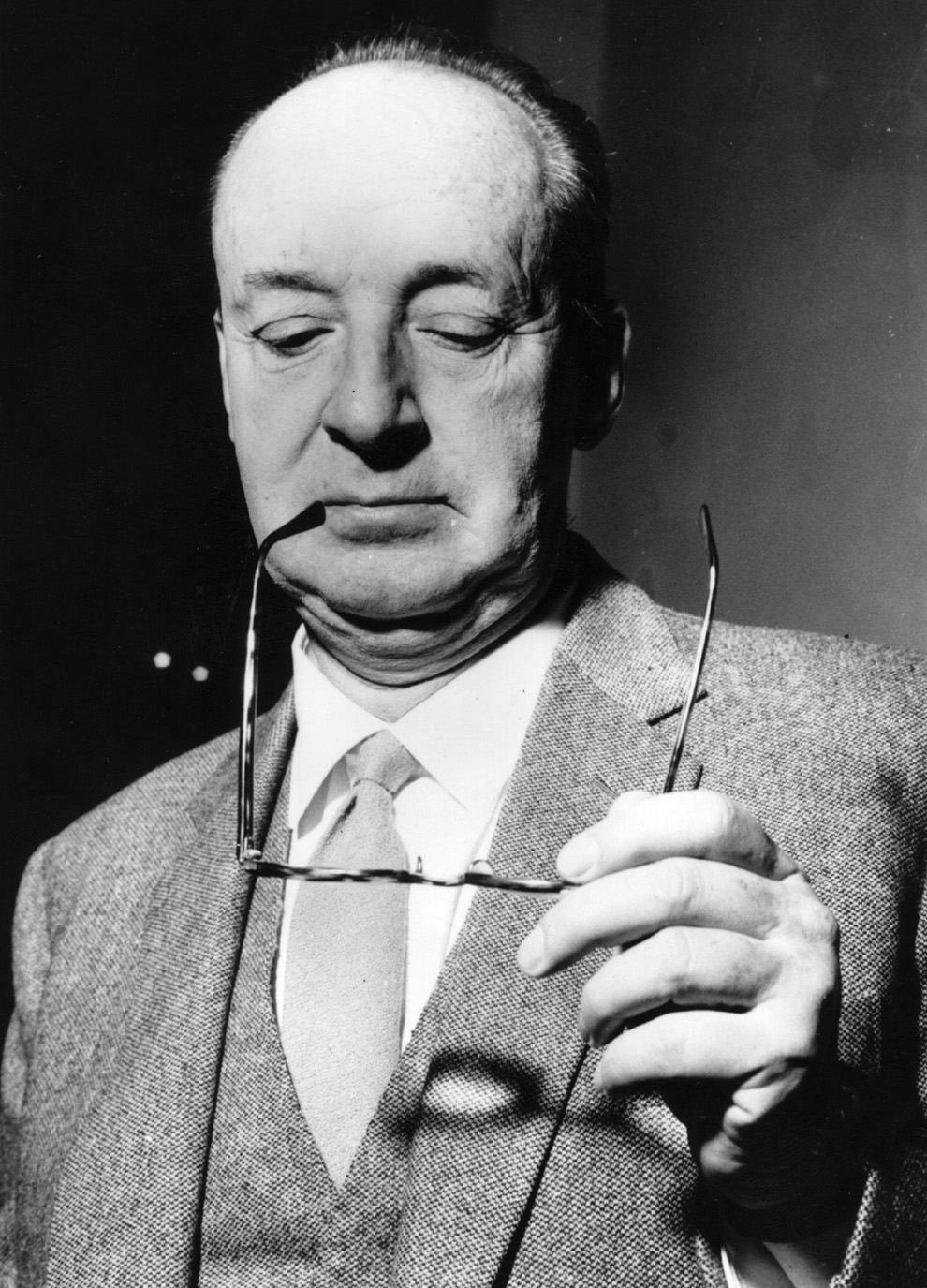
VLADIMIR NABOKOV
Lolita. Pale Fire. Speak, Memory.
Vladimir Nabokov’s Lolita is one of the most dangerous books in modern literature—not because of what it depicts, but because of how beautifully it lies. Told through the voice of Humbert Humbert, a narrator of staggering eloquence and moral corruption, the novel seduces the reader into complicity before revealing the full cost of that seduction. Nabokov’s real subject is not desire but language itself: its power to charm, distort, and anesthetize conscience.
What makes Lolita endure is its refusal to offer moral shortcuts. The novel does not ask for sympathy, absolution, or scandalized outrage; it asks for attention. Humbert’s self-justifications, wordplay, and theatrical remorse expose how easily intelligence can be weaponized against truth. The horror of the book lies not in excess, but in banality—in how cruelty can masquerade as romance when filtered through style.
Nabokov insisted that Lolita was a work of art, not a case study or a confession, and the distinction matters. The novel stands as a warning about the dangers of aesthetic intoxication and narrative control. Lolita survives not because it shocks, but because it forces readers to confront an uncomfortable reality: that beauty, untethered from ethics, can become its own form of violence.