
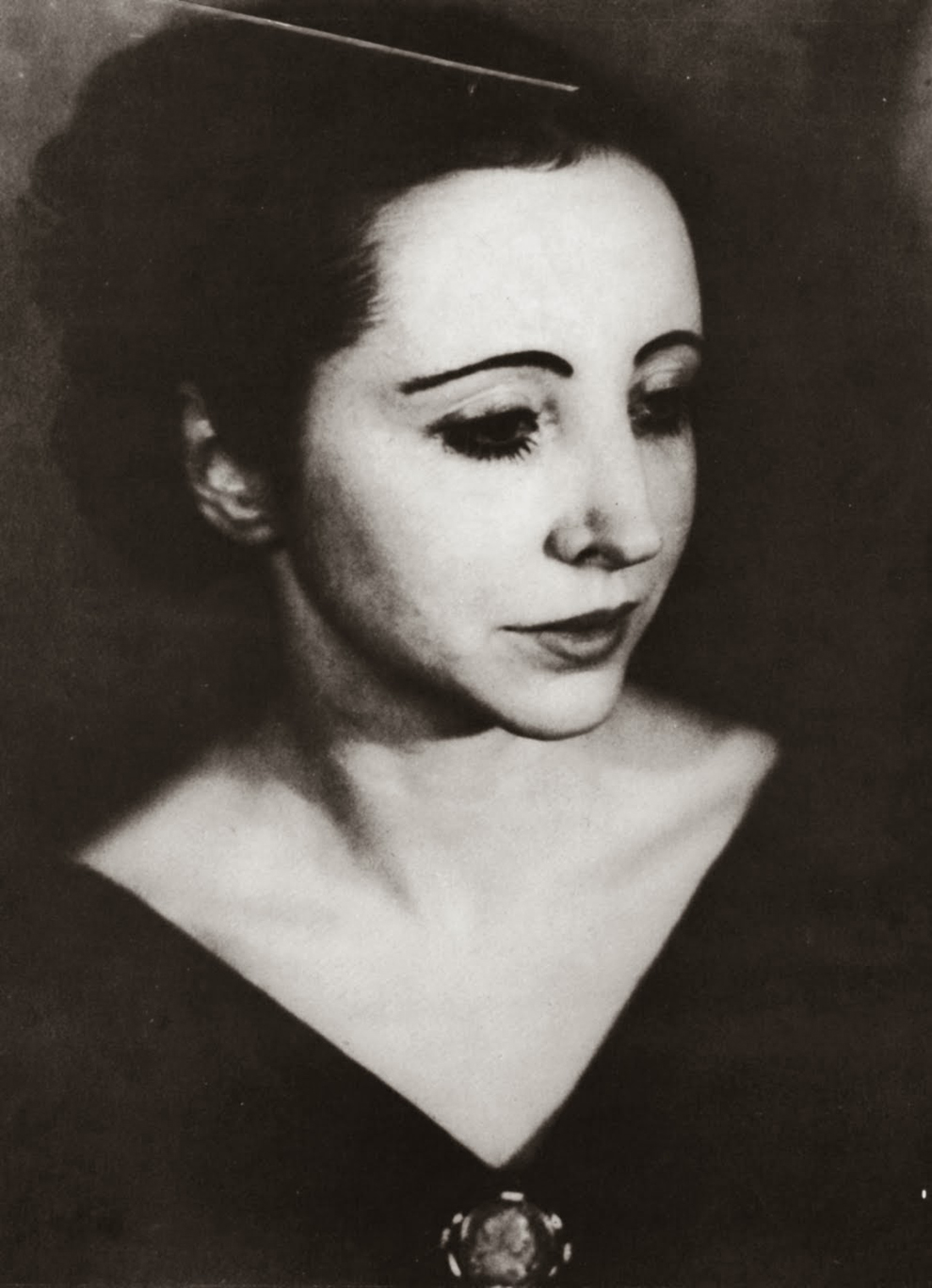
ANAIS NIN

(1903 – 1977)
BOOKS ::: AUTHOR :::
Anaïs Nin became one of the 20th century’s most radical chroniclers of interior life by turning inward at a time when literature was trained to look outward. Through her diaries, fiction, and essays, she rejected masculine traditions of plot, conquest, and authority in favor of sensation, emotion, sexuality, and psychological truth. Long before “confessional writing” had a name, Nin treated the self—especially female desire—not as scandal or indulgence, but as a legitimate source of knowledge. Her work insisted that inner experience was not secondary to history; it was history.
In June 1941, Nin spent time in Provincetown, recording the town with the precision of a novelist and the vulnerability of a diarist. She wrote about fishing wharves converted into artist studios, the Portuguese community, dunes like “white ski slopes,” and jazz drifting across the beach at night. Provincetown struck her as visually radiant yet emotionally closed—beautiful but withholding—unlike the warmth and spontaneous intimacy she associated with Paris or Saint-Tropez. That tension sharpened her insight: a place could promise freedom while quietly resisting connection.
What Provincetown ultimately gave Nin was not escape, but renewal. She returned from the dunes with what she called “a supply of summer to last through the winter,” reshaped by sea air, solitude, and fleeting human encounters. In her writing, the town became less a home than a threshold—a temporary sanctuary where art, desire, and identity loosened their grip just long enough for transformation to occur. In that sense, Nin belongs here not only as a literary figure, but as a witness to how places like Provincetown function: not as destinations, but as catalysts.