
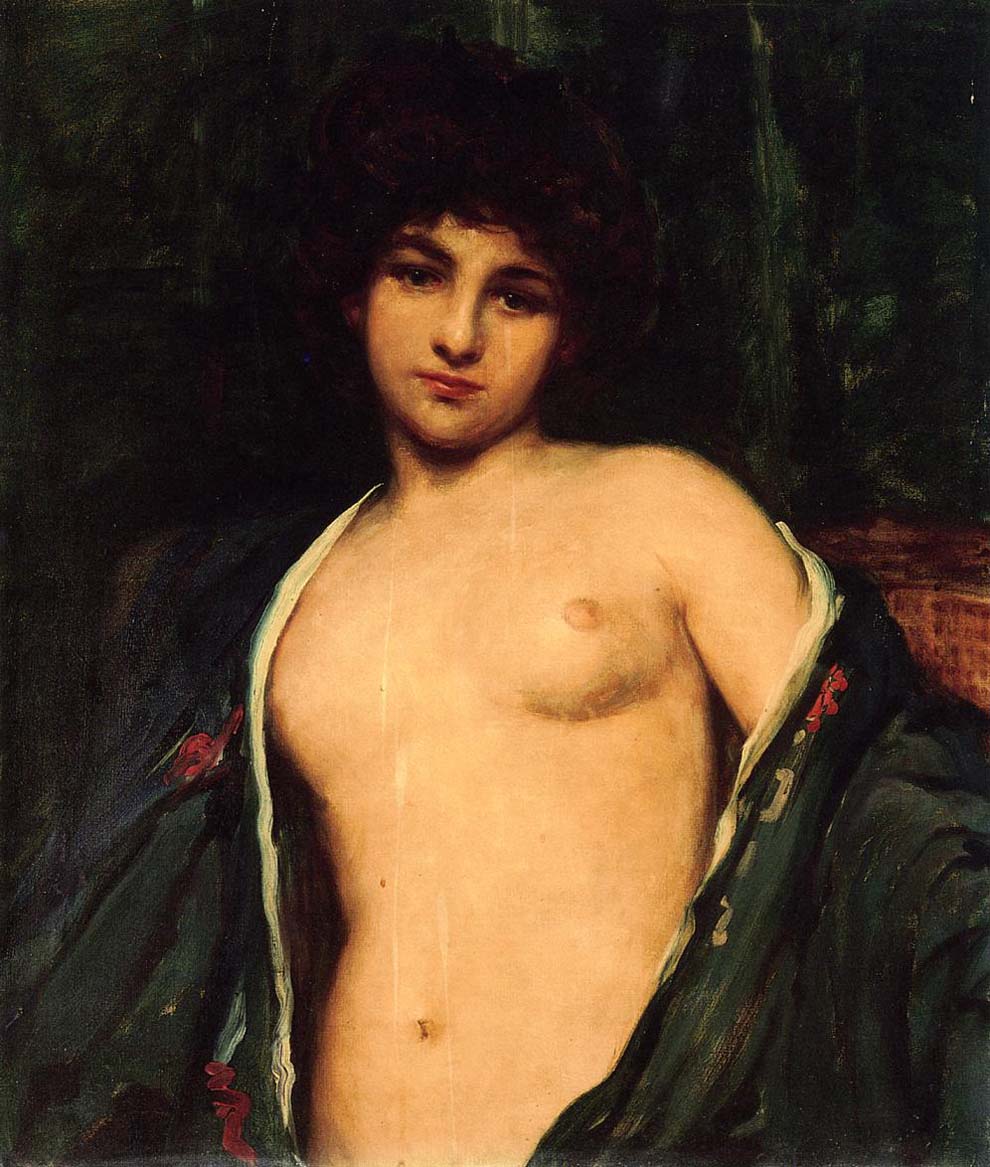
EVELYN NESBIT

(1884 - 1967)
FASHION ::: SUPER MODEL :::
Pin-Up Girl. Chorus Girl. Actress. Girl On The Red Velvet Swing. Trial Of The Century. John Barrymore.
Evelyn Nesbit became one of the first modern celebrities at the exact moment America was inventing celebrity itself. As a teenage model, chorus girl, and actress, her image circulated widely in magazines, advertisements, and onstage productions, establishing a new idea: fame untethered from a single achievement. Long before the phrase existed, Nesbit was the original it girl — known for presence, visibility, and the cultural gravity that followed her wherever she went.
That attention turned catastrophic in 1906. During a performance at Madison Square Garden, her husband, Harry Kendall Thaw, shot and killed the celebrated architect Stanford White in front of hundreds of witnesses. The killing ignited what newspapers called the trial of the century. In court and across the press, Nesbit’s life was judged under the so-called “unwritten law” — the belief that male violence could be excused as moral vengeance, and that a woman’s past could be used as evidence against her. While Thaw’s fate was debated, Nesbit herself was publicly tried and transformed into spectacle.
After the trials, she attempted to reclaim her life through the stage and early cinema, returning to the same theatrical world that produced figures like John Barrymore — intense, admired, and closely watched. Their connection was one of proximity, not romance: a shared cultural moment when talent, notoriety, and public fascination were inseparable. Nesbit’s story endures not because she was famous, but because she revealed what happens when a culture invents the it girl before it understands how easily admiration turns into judgment — and how hard it is to survive once the story takes over.