
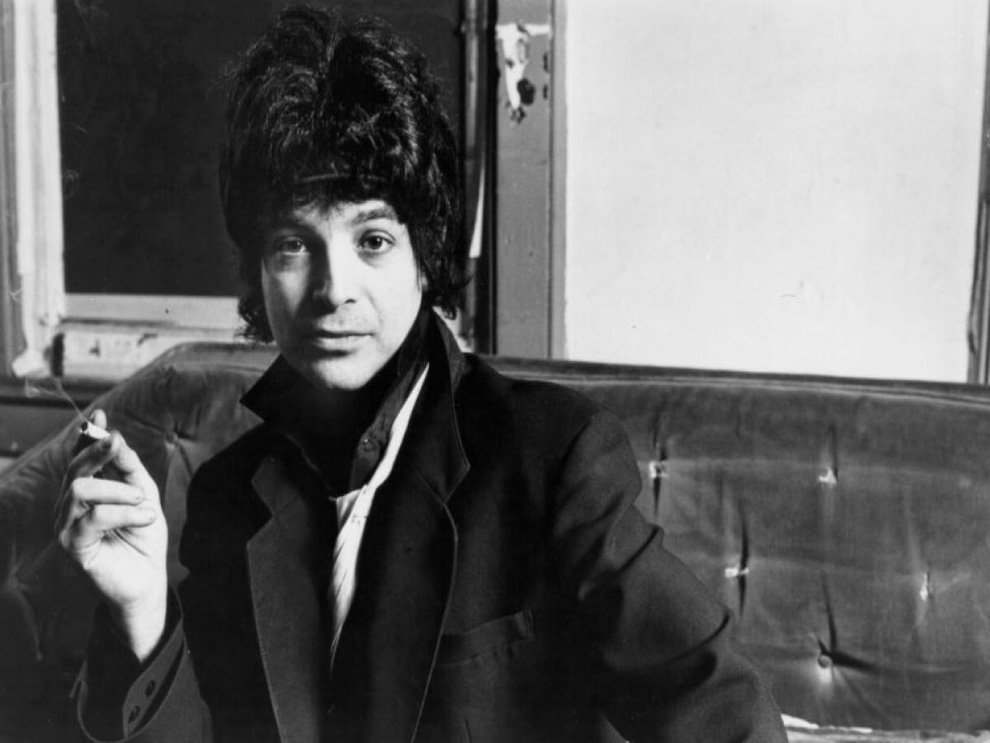
ALAN VEGA
(1938 - 2016)
MUSIC ::: PUNK ::: NEW WAVE :::
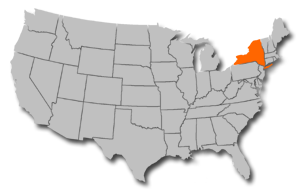
Before punk became a genre, before synthesizers became fashionable, before alternative culture became an industry, there was Alan Vega standing in front of hostile crowds with a microphone in his hand and no interest in making them comfortable. Born in Brooklyn on June 23, 1938, Vega came out of New York's downtown art world where sculpture, performance, noise, and confrontation all occupied the same room. Together with keyboardist Martin Rev, he formed Suicide, a band that sounded less like rock and roll than a warning siren coming from somewhere just over the horizon.
What made Suicide revolutionary was not simply the music. Plenty of artists experimented with electronics. Vega and Rev stripped rock music down to its most primitive elements and then rebuilt it from the ground up. No guitars. No drummer. No safety net. Just machine rhythms, ghostly keyboards, and Vega's voice shifting between a street-corner croon, a doo-wop dream, and a full-blown nervous breakdown. Songs like Ghost Rider, Rocket U.S.A., and Frankie Teardrop weren't performed so much as unleashed. Audiences often hated them. Musicians paid attention. Decades later, the fingerprints of Suicide could be found everywhere from synth-pop and industrial music to punk, post-punk, and electronic dance music.
Alan Vega matters because he understood something that most artists never learn: the future rarely arrives looking respectable. It usually arrives looking strange, unfinished, and a little dangerous. He spent his life building a mythology out of neon signs, motorcycles, jukeboxes, city streets, and restless American dreams. The world eventually caught up. By then, Vega had already moved on. Today his work remains a reminder that the most important artists are often the ones standing furthest outside the room, creating the sound that everyone else will be listening to twenty years later.