
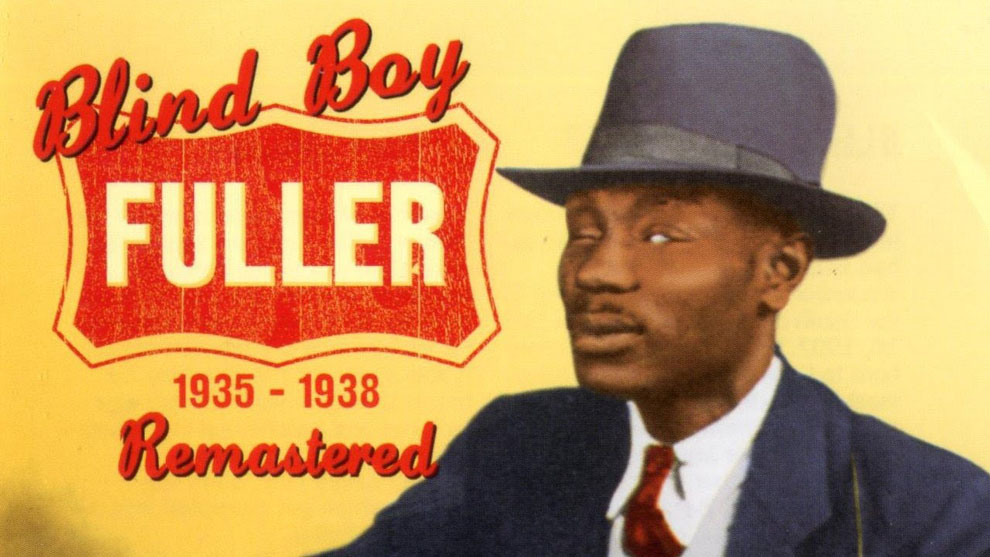
BLIND BOY FULLER (1907–1941)
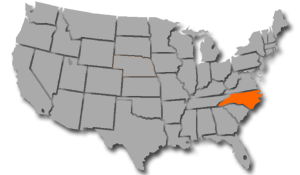
MUSIC ::: BLUES :::
Blind Boy Fuller, born Fulton Allen in Wadesboro, North Carolina, became the defining voice of Piedmont blues. After losing his eyesight as a young man, he settled in Durham, where he earned a living performing on sidewalks outside tobacco warehouses and factories. His dazzling fingerpicked guitar style blended ragtime, country music, and the blues into something unmistakably his own. Between 1935 and 1940 he recorded more than 120 songs, transforming the everyday struggles, humor, heartbreak, and resilience of working-class Southern life into one of America's most enduring musical traditions.
Fuller didn't simply influence later musicians—he helped create the musical landscape they inherited. His recordings inspired generations of acoustic guitarists, from Brownie McGhee and Doc Watson to the folk revival of the 1960s. The circle of Durham musicians around Fuller—including Sonny Terry, Reverend Gary Davis, Bull City Red, and Floyd Council—became the foundation of the Piedmont blues tradition, proving that some of the most important movements in American music begin not in concert halls, but on street corners.
Blind Boy Fuller even left an unexpected mark on rock history. In 1965, Syd Barrett found the names Pink Anderson and Floyd Council in the liner notes of a Blind Boy Fuller compilation and combined them to name his new band: Pink Floyd. Fuller died in 1941 at just thirty-six years old, decades before rock & roll reached its peak, yet his music—and even the notes that accompanied it—continued to shape the future. It's another reminder that influence often travels farther than fame, leaving echoes in places no one could have imagined.