
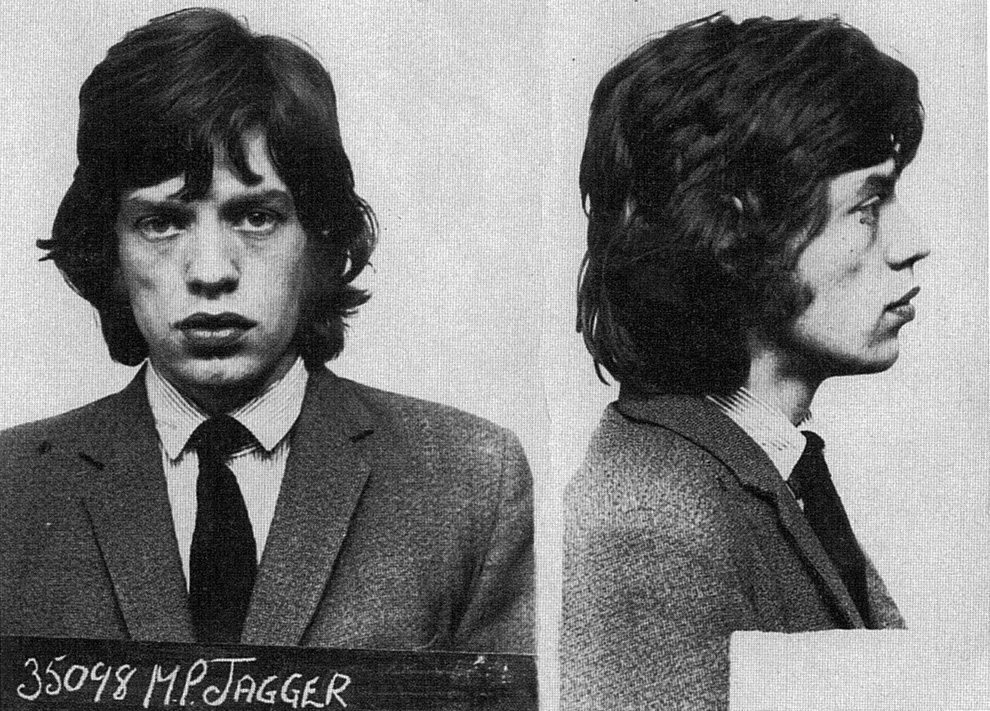
MICK JAGGER

(1943 - )
MUSIC ::: RHYTHM & BLUES ::: ROCK & ROLL ::: GRAM
Few frontmen have embodied rock & roll as completely as Mick Jagger. With the Rolling Stones, he turned blues, rhythm & blues, country and gospel into something theatrical, dangerous and unmistakably modern. His partnership with Keith Richards became one of popular music’s great creative engines, while his relationships with figures including Brian Jones and Marianne Faithfull placed him at the center of the cultural upheaval surrounding the band. Jagger did not simply sing the Stones’ songs—he inhabited them, transforming every drawl, sneer and whispered confession into character.
Sweet Virginia
That gift is especially vivid on “Sweet Virginia,” the loose acoustic country-soul performance buried deep inside Exile on Main St. Recorded amid the disarray of Villa Nellcôte, the song carries both the country influence Gram Parsons shared with Keith Richards and the chemically charged atmosphere surrounding the sessions. Jagger sings of exhaustion, intoxication and survival with a weary humor that turns the song’s crude refrain into something almost cleansing: whatever filth the journey has collected, it is time to scrape it from your shoes and keep moving.
For Motherlode, “Sweet Virginia” captures the moment Cosmic American Music passed through Keith Richards and emerged in Mick Jagger’s voice. Gram Parsons did not make the Rolling Stones country singers; he helped them hear country music as part of the same American inheritance that had already given them blues, soul and rock & roll. Jagger carried that realization into one of the Stones’ most human performances—ragged, funny, exhausted and still standing.