
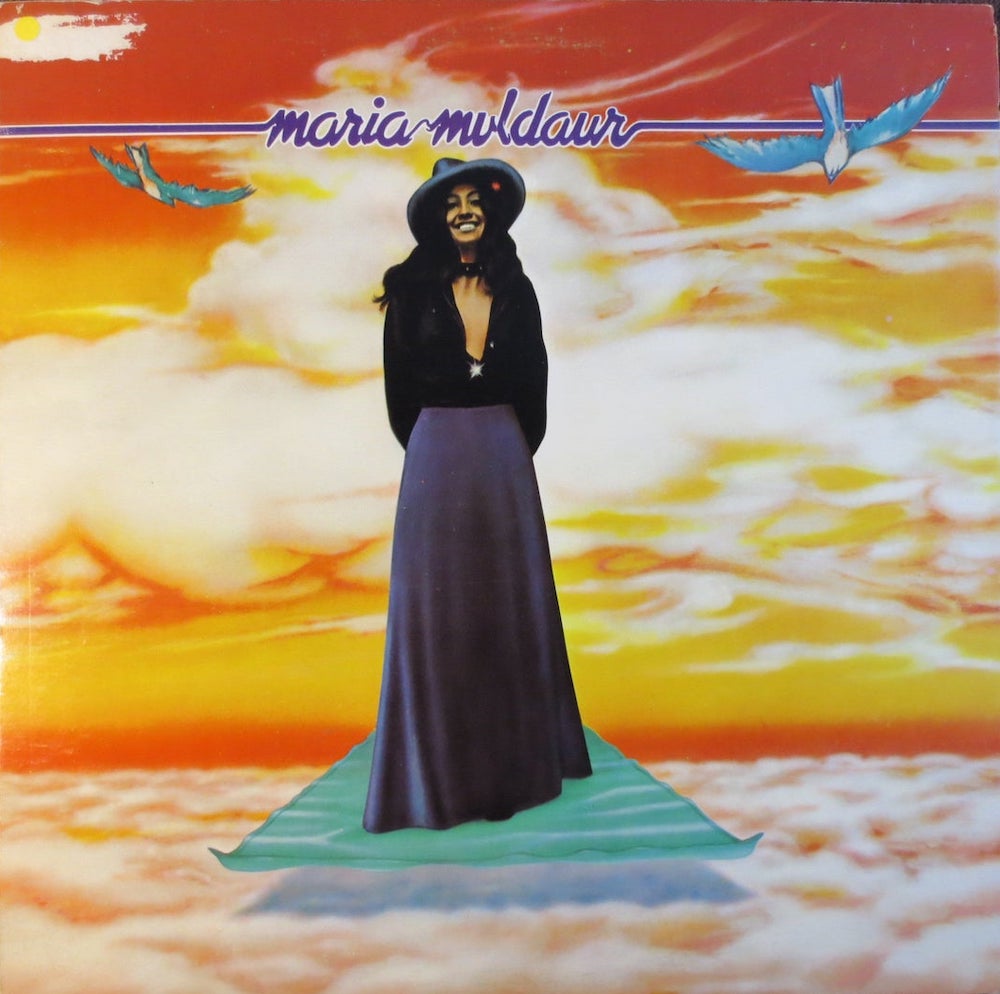
MARIA MULDAUR
(1942 - )
MUSIC ::: FOLKIE ::: BOSTON FOR THE RECORD :::
Maria Muldaur first emerged as a defining voice of the early-1960s Cambridge folk revival through her work with the Jim Kweskin Jug Band. At a time when Boston folk was as much about rediscovery as reinvention, Muldaur brought a deep, intuitive grasp of early American blues, jug band music, and vaudeville-era pop. Her singing stood out immediately—earthy, playful, historically literate, and emotionally direct—grounding the band’s revivalist energy in lived feeling rather than nostalgia.
The Jim Kweskin Jug Band was central to the Cambridge folk ecosystem, bridging scholarly interest in prewar American music with an exuberant, communal performance style. Muldaur’s presence helped define the group’s sound and image, particularly through her command of blues phrasing and her ease with material drawn from Bessie Smith, Memphis Minnie, and early jazz traditions. In clubs, coffeehouses, and on record, her voice acted as a conduit—connecting Boston’s young folk audience to musical forms that predated rock and roll but directly shaped it.
Muldaur’s later mainstream success, including her 1974 hit “Midnight at the Oasis,” often overshadows this foundational period, but her work with the Jim Kweskin Jug Band remains essential to understanding her artistic roots. That era positioned her not simply as a singer, but as a cultural translator—someone who carried vernacular American music forward without sanding down its grit or humor. Her Cambridge years stand as a reminder that Boston’s influence on American music has often flowed through revival, reinterpretation, and deep respect for what came before.