
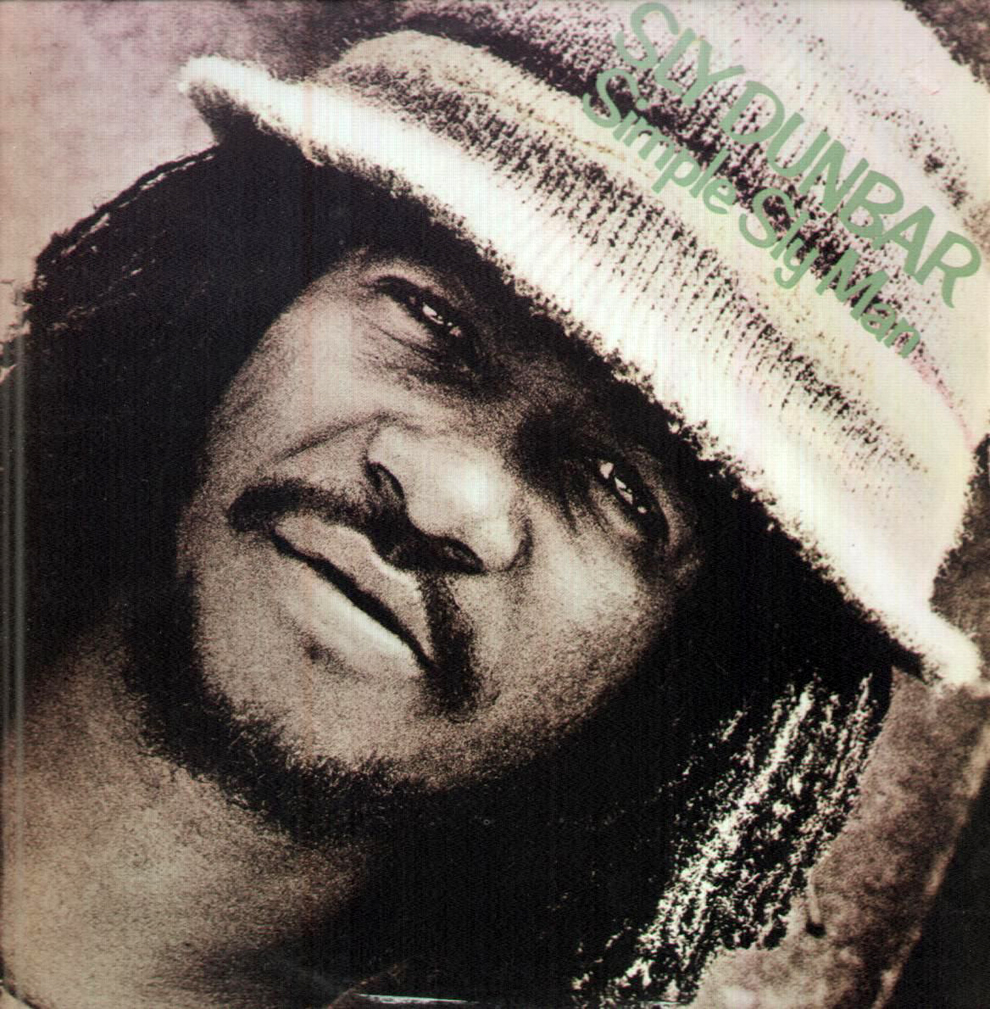
SLY DUNBAR
(1952 - 2026)
MUSIC ::: REGGAE :::
If you’ve ever wondered why reggae feels inevitable—why it moves the way it does, why it locks into your body before your brain catches up—there’s a good chance you’re hearing Sly Dunbar. Born Lowell Fillmore Dunbar in Kingston, Jamaica, he became one of the most recorded drummers in history, not by accident or ubiquity, but because his rhythms were so complete they could live multiple lives. Brian Eno once joked that buying a reggae record meant there was a 90 percent chance the drummer was Sly Dunbar. It wasn’t that he was everywhere—it was that his tracks were so compelling they kept being reused, replayed, and repurposed.
Dunbar didn’t just play reggae; he reengineered how it worked. Drawing from earlier Jamaican drummers, he rejected loose, ornamental patterns in favor of grooves that held steady across an entire song—so steady they felt almost machine-made, even when they were played live. Paired with bassist Robbie Shakespeare, Sly formed one of the most influential rhythm sections ever, Sly & Robbie, anchoring thousands of recordings across reggae, dub, dancehall, rock, pop, and experimental music. Together they powered classic work by Black Uhuru and Peter Tosh, ran the influential Taxi label, and crossed effortlessly into collaborations with Grace Jones, Bob Dylan, Mick Jagger, and countless others.
Sly Dunbar died in January 2026, but the idea of him being gone doesn’t quite hold. His rhythms remain active, circulating through sound systems, records, and memories, still doing the work they always did—holding things together. Reggae has always been music of resistance and survival, but it also depends on discipline, restraint, and deep listening. Sly embodied that balance. He wasn’t flashy. He didn’t need to be. He built a foundation so solid the world kept dancing on it, often without realizing who laid the stones.