
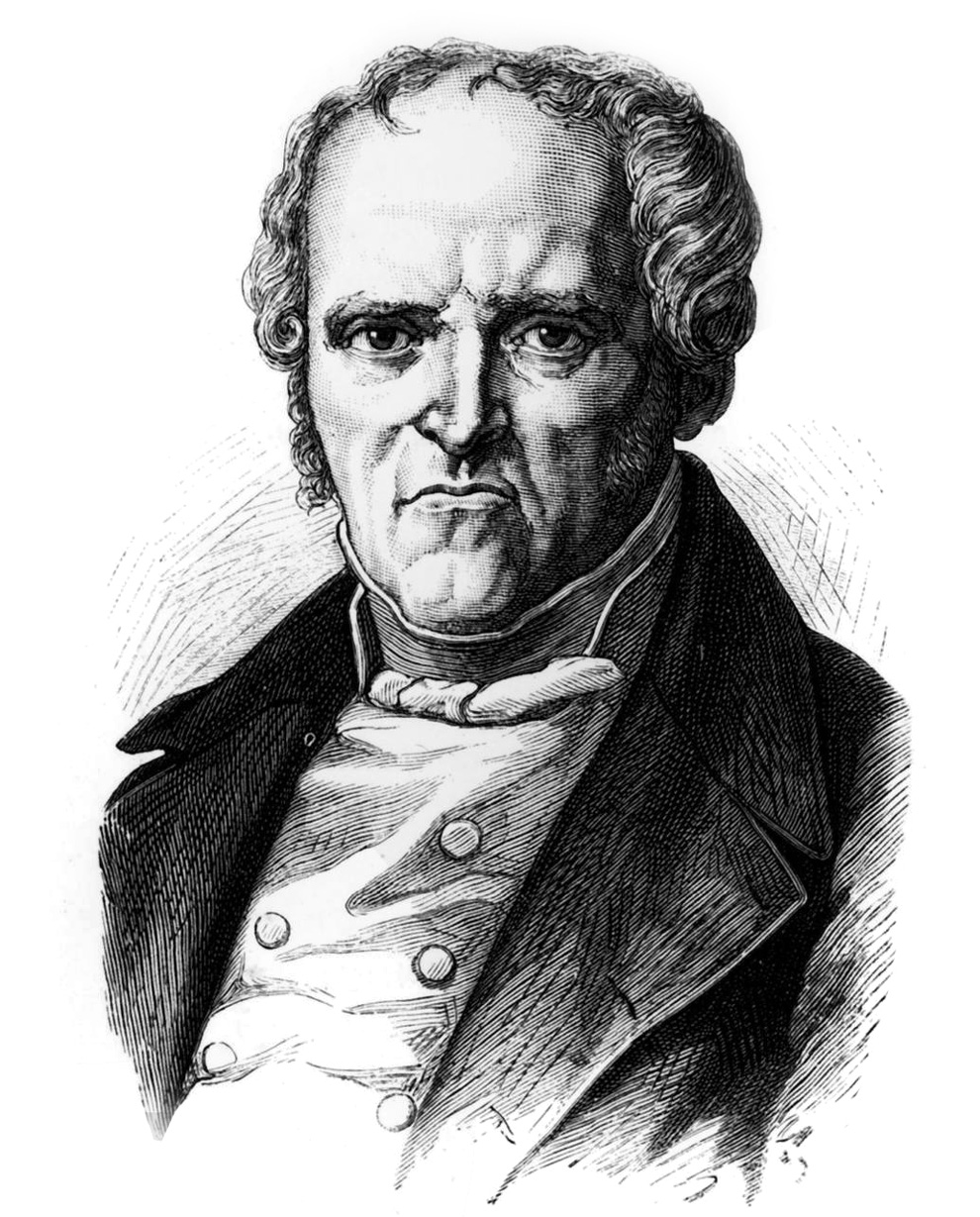
CHARLES FOURIER

(1772 – 1837)
POLITICS ::: PHILOSOPHER :::
Charles Fourier is born in Besançon and begins designing a world that doesn’t yet exist. At a time when hierarchy is treated as natural, he proposes something radically different: that society should be organized around human desire, not repression. His idea of “passional attraction” suggests that people, if aligned with their natural inclinations, can produce harmony rather than conflict. The problem isn’t human nature. The problem is the system built around it.
Within that system, Fourier makes one of his most enduring claims: the status of women is the clearest indicator of social progress. Often credited with coining the term “feminism,” he insists that any society that restricts women is fundamentally broken. Equality isn’t an afterthought—it’s structural. If women are not free, the system has failed. Long before it becomes a movement, Fourier builds gender liberation into the architecture of his world.
His phalanstère—a fully designed communal environment—attempts to make that vision real, aligning work, pleasure, and daily life into a single system of relationships. It never fully takes hold, but the idea travels. In Massachusetts, Brook Farm briefly attempts to build a Fourierist community in the 1840s, translating theory into lived experiment before collapsing under its own weight. And still the model persists—resurfacing wherever people try to live differently, from communes to artist colonies to places like Provincetown. Fourier doesn’t give us utopia. He gives us the blueprint—and the test.