
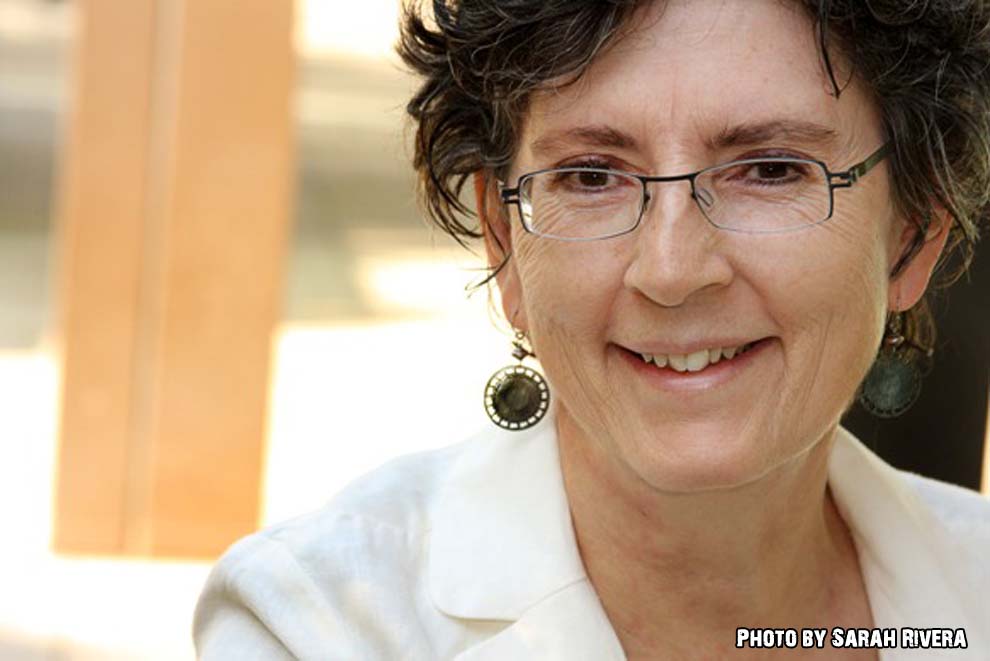
MARTA RUSSELL

(1951 - 2013)
POLITICS: ::: ACTIVIST :::
Marta Russell didn’t approach disability as a question of identity or personal tragedy. She approached it as a problem of political economy. Where dominant narratives focused on cure, accommodation, or individual resilience, Russell insisted on asking harder questions: Who decides which bodies are valuable? Who gets access to resources, work, care, and dignity? And how does an economic system organized around productivity and profit actively produce disability by marginalizing anyone who falls outside its narrow definition of usefulness?
Her “money model of disability” reframed the entire conversation. Russell argued that disability is not simply located in bodies, but in systems that tie survival to labor markets, insurance eligibility, and economic output. Under capitalism, she showed, disability becomes a social classification enforced through poverty, exclusion, and abandonment. This was not an abstract critique. It came from lived experience and was sharpened by clarity rather than compromise. Russell’s work remains vital because it refuses comforting stories and instead exposes the machinery that decides whose lives are supported and whose are treated as expendable.