
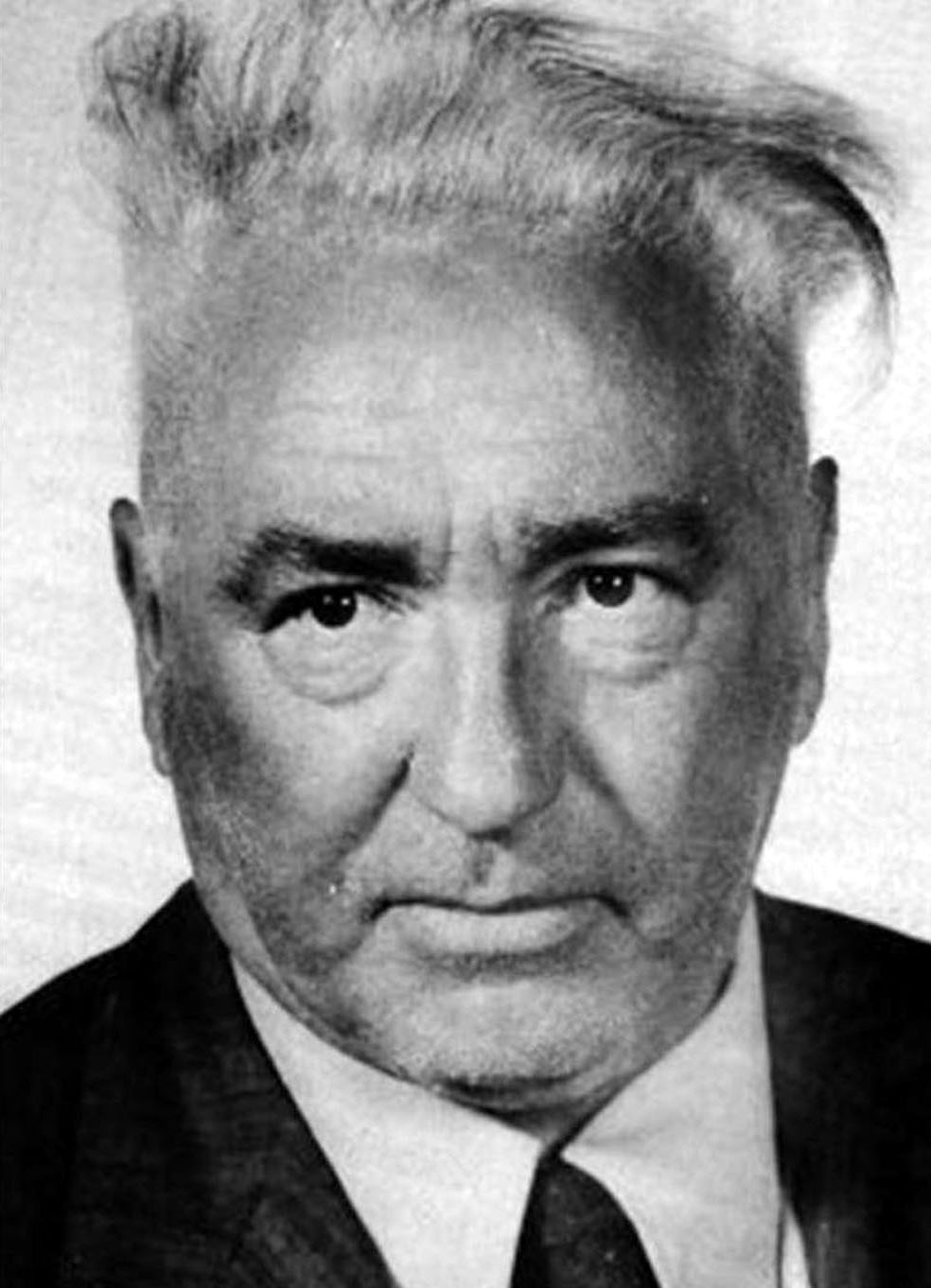
WILHELM REICH
(1897 – 1957)
POLITICS
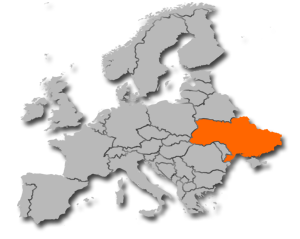
Wilhelm Reich was born in Dobzau, then part of the Austro-Hungarian Empire (now in Ukraine), and would spend his life insisting that the mind does not float above the body — it lives inside it. A student of Sigmund Freud before breaking from orthodox psychoanalysis, Reich argued that repression was not abstract but muscular, visible in posture, breath, and what he famously called “character armor.” For Reich, psychology was political, sexual, and structural all at once — a theory that made him unwelcome in polite rooms.
He pushed therapy into culture, claiming that authoritarian systems depended on emotional suppression and sexual fear. After emigrating to the United States, his increasingly speculative work on “orgone energy” brought federal scrutiny; his devices were banned, publications seized, and he was eventually imprisoned for contempt of court. To supporters, it looked like persecution of radical science; to regulators, consumer protection against unproven medical claims. Either way, Reich became a cautionary tale about what happens when ideas outrun institutions.
Declared brilliant, then unstable, then criminal, Reich’s influence nonetheless seeped into body psychotherapy, performance art, encounter groups, and the counterculture of the 1960s. His central provocation remains intact: that power inscribes itself on the body, and that freedom is not merely ideological but physical. History tried to contain him. The argument he started — about control, desire, and the politics of repression — never quite went away.