MUCHOLAPKA: CWWIII
THE FOREWORD
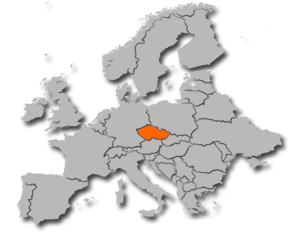
History radiates from everything in the Czech Republic in an overwhelming assault on the senses—the sights, the smells, the sounds, the tastes, the textures. I, who have rarely found occasion to shut my mouth, became mute upon entering Prague’s Old Town. I didn’t know where to look first. It took twenty-four hours before I could settle down long enough to take my first photograph.
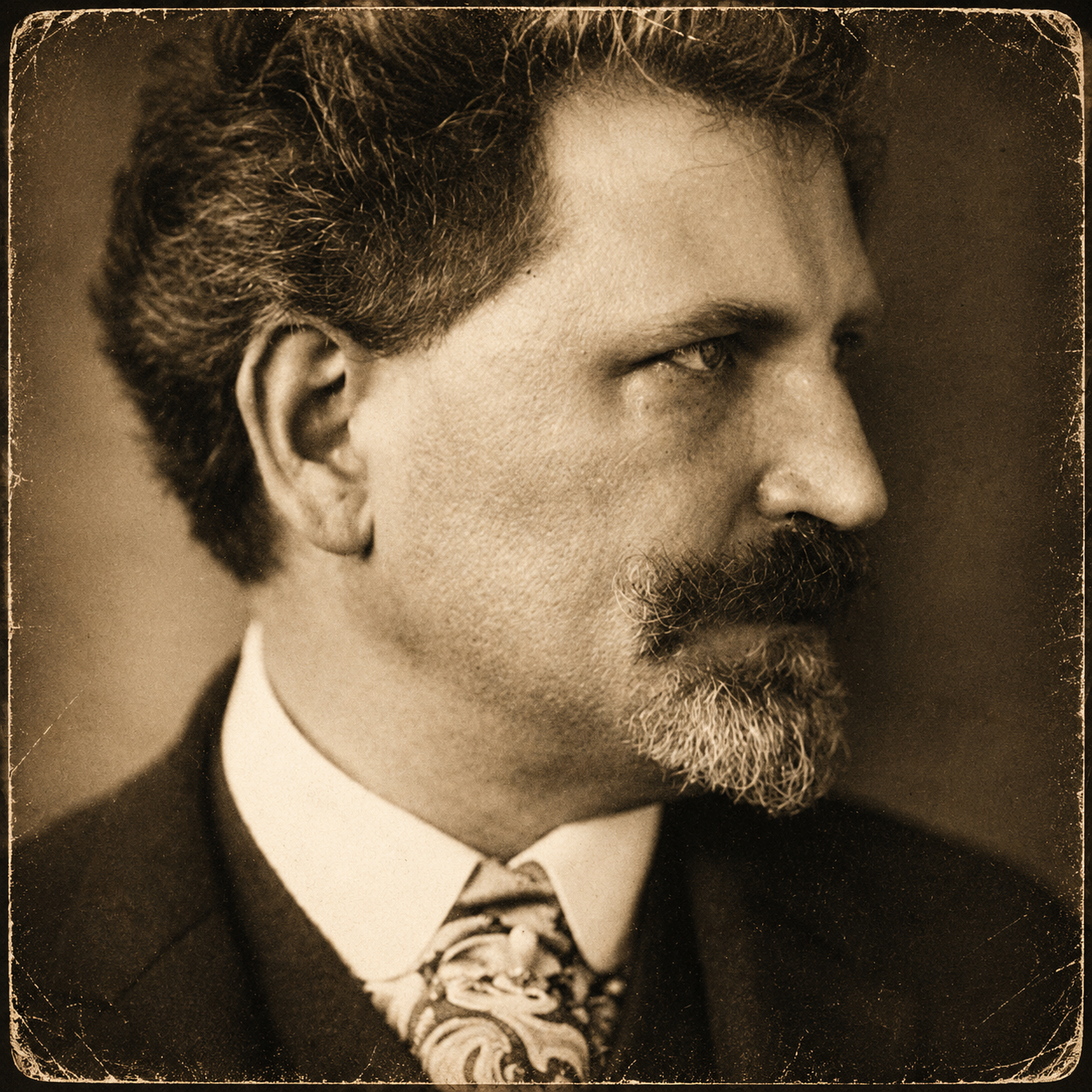
On the second day, we stopped for lunch at the Mucha Restaurant, which was celebrating the 150th anniversary of the birth of its namesake, the Czech artist Alphonse Mucha. His name didn’t ring a bell, but his work was immediately recognizable. This was the guy who created the artwork for JOB cigarette papers. I had seen his work a million times.
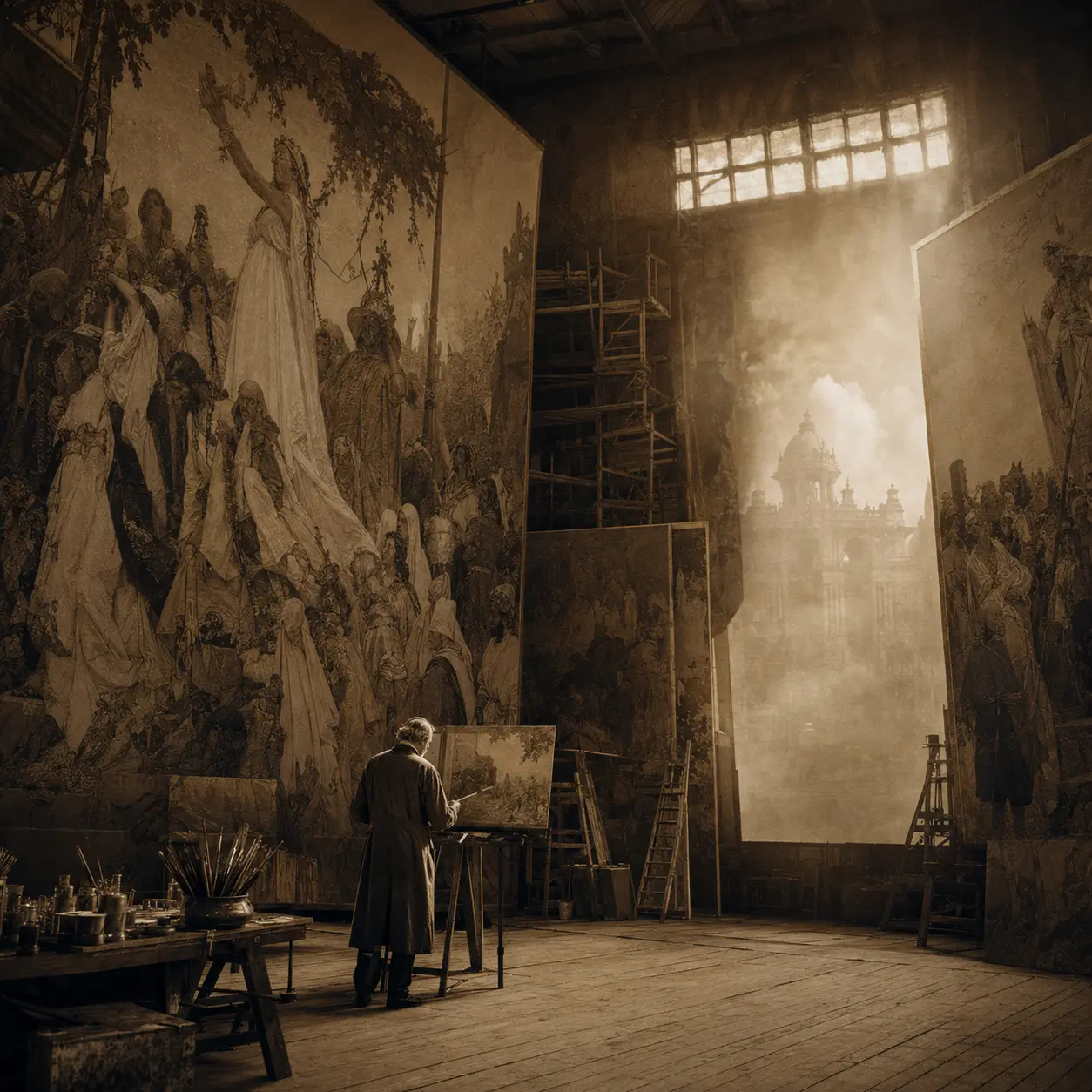
As we waited for lunch, I couldn’t help noticing that the placemat in front of me contained an English account of Mucha’s fairytale life. I became fascinated by his pioneering work in Paris during the height of Art Nouveau and his return to Bohemia in 1910 to pursue a far greater ambition. After Czechoslovakia declared its independence in 1918, Mucha helped give the new nation a visual identity, designing postage stamps, banknotes and government documents. Meanwhile, he devoted nearly two decades to his masterpiece: a cycle of twenty monumental paintings devoted to the history of the Slavic peoples, appropriately titled The Slav Epic.
As I reached the final paragraph, it was as if someone had carelessly dragged a needle across an old vinyl record. “In 1939, Mucha was among the first people arrested by the Gestapo following the German occupation of Czechoslovakia. He was eventually released, but his health was shattered by the ordeal. On July 14, Mucha died in Prague and was buried at Vyšehrad Cemetery.”
A few days earlier, I had been hiking in the hills outside Opava, my wife’s hometown near the Polish border. The region still bore the scars of the fighting and bombing that accompanied the final days of World War II. When we stopped at the village pub, I pointed toward the ceiling at what appeared to be a five-hundred-year-old collection of dead flies and asked what they called such a thing. My wife laughed, and out of her mouth came the word: “Mucholapka.”
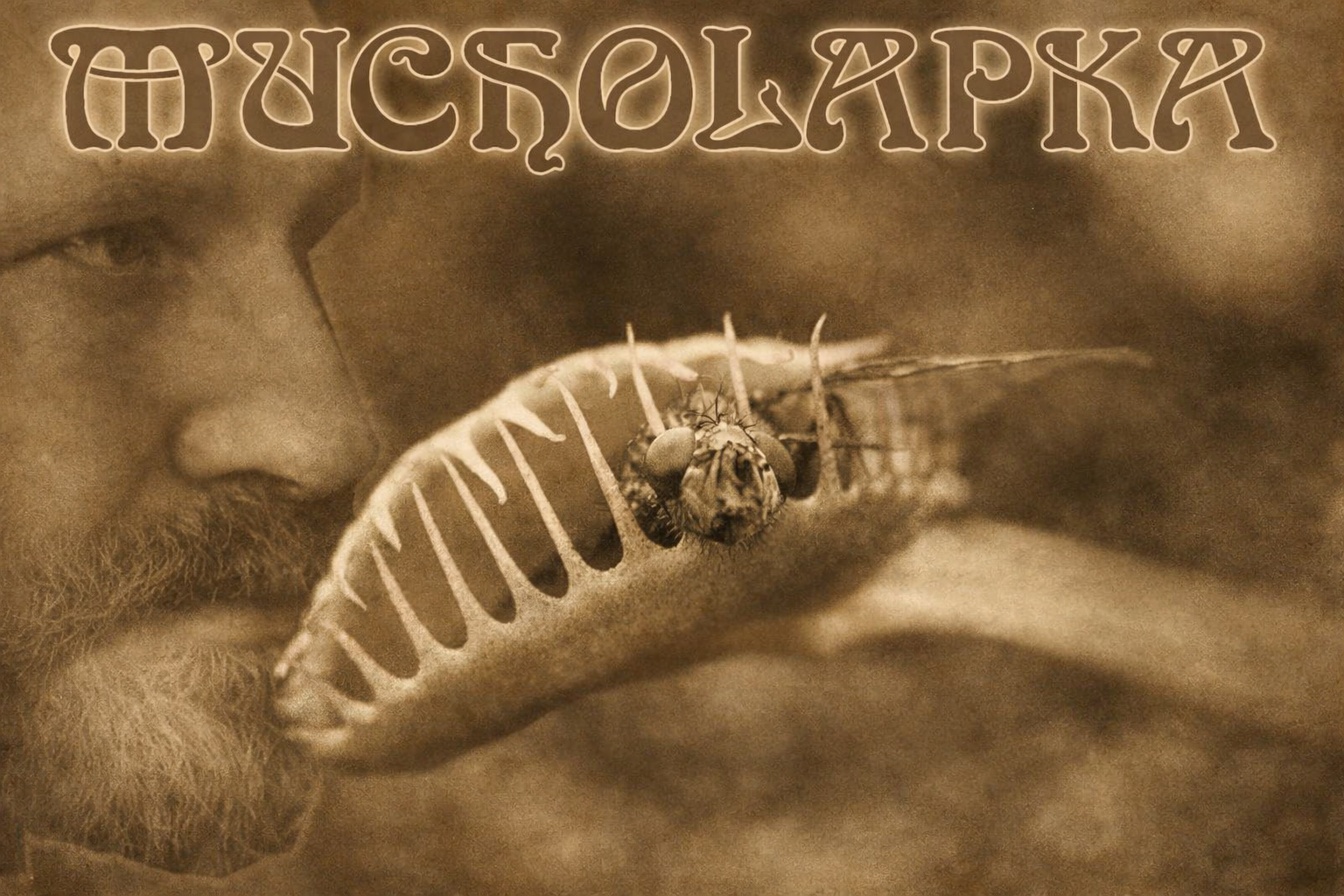
The word loosely translates as flycatcher and can also refer to that carnivorous marvel of nature, the Venus flytrap. I was told it had Polish roots, which would make sense in a region sitting so close to the Polish border. I loved the word. I loved the way it began on pursed lips and rolled off the tongue: MOOK-O-LAAP-KAAA. Very punk rock. I announced that my next band would be called MUCHOLAPKA.
But now, sitting in Prague, the word began transforming itself into something else: Mucha. Mucholapka. The fly. The flycatcher. Who killed Alphonse Mucha? I decided it was perfect material for a musical in the spirit of Mel Brooks’ The Producers—or perhaps the next great Eastern European rock opera. My introduction to Nazis had come through Hogan’s Heroes, with Colonel Klink and Sergeant Schultz. The word conjured an entire comic-tragic world wrapped inside one terrible pun. I couldn’t wait to return home and begin my detective work. I couldn’t wait to Google “Alphonse Mucha.”
The next morning, I picked up a copy of the English-language newspaper The Prague Post. The headline concerned a bitter controversy over the proposed removal of The Slav Epic from Moravský Krumlov and its return to Prague. At the center of the dispute were Mucha’s descendants, the City of Prague and the conditions under which Mucha and his American patron, Charles Richard Crane, had presented the paintings to the city.
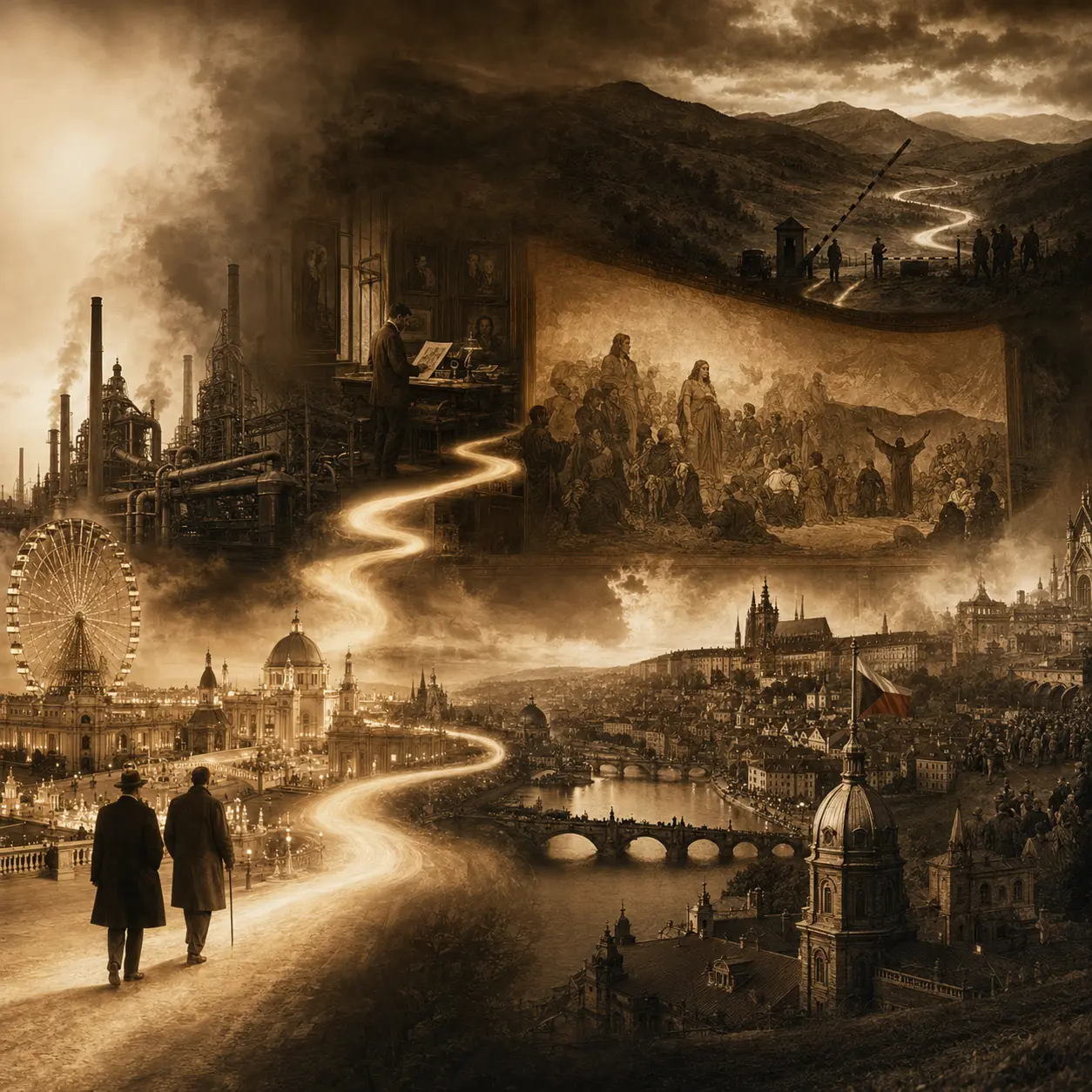
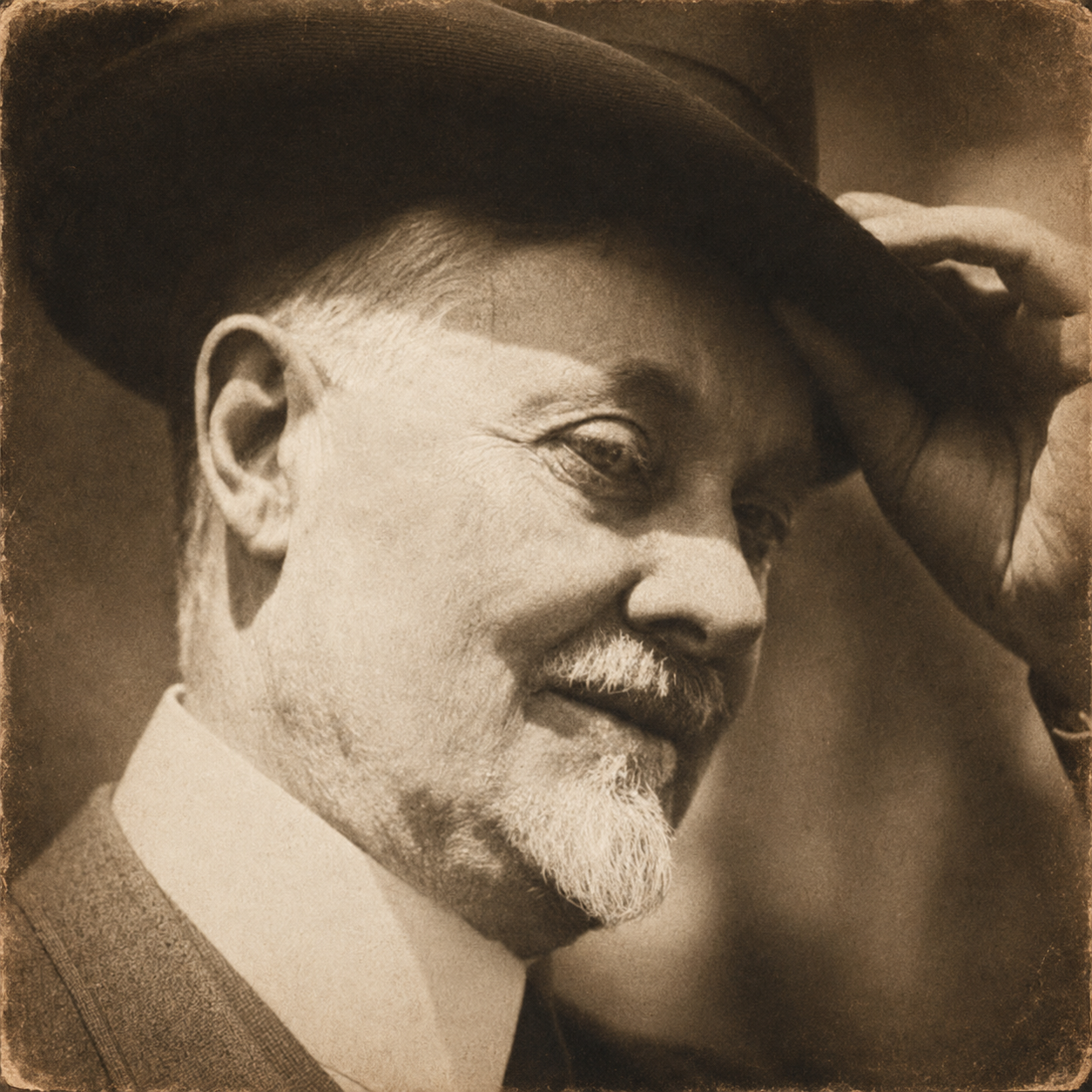
Crane was a Chicago industrial heir, philanthropist and political operator who financed the creation of The Slav Epic while leaving Mucha complete artistic freedom. Somehow, this strange story now connected Prague, Paris and Chicago; Art Nouveau and industrial plumbing; nationalism, revolution, advertising, diplomacy and the creation of Czechoslovakia.
I must be honest. I am a thousand times more interested in music history than in world history—especially the period surrounding Mucha and Crane. My eyes usually begin glazing over when words like Federalist, Reconstruction, Progressive Party, Ottoman Empire, Anti-Trust or New Deal start being thrown around. This time was different. The deeper I dug, the stranger, more sprawling and more interconnected the story became. You can pick some things in life, but this story had just picked me.
Before there was Mucha, there was Chicago. Before there was The Slav Epic, there was indoor plumbing.
Mucholapka is an ongoing investigation into Alphonse Mucha, Charles Richard Crane and the hidden machinery connecting art, industry, politics and the birth of the modern world. It begins in Chicago, inside the White City of 1893, and will be published here as a serial work.
- Chapter 01: White City
- Chapter 02: Chicago and the Cranes
- Chapter 03: Meanwhile, Back in Bohemia: Alphonse Mucha
- Chapter 04: Masaryk and Slavic Studies in Chicago: Worlds Collide
- Chapter 05: Meanwhile, Back in Woods Hole
- Chapter 06: Meanwhile, Back in Russia
- Chapter 07: The Opposite of White: The Black Hand
- Chapter 08: Meanwhile, Back in the States: The Making of a President
- Chapter 09: World War I: Three Cousins
- Chapter 10: Versailles: Making the Peace
- Chapter 11: Between the Wars
- Chapter 12: Decoding the Slav Epic
- Chapter 13: What Exactly Was the Third Reich?
- Chapter 14: Mecca, Mosaics and Church Bells
- Chapter 15: The Sudetenland