
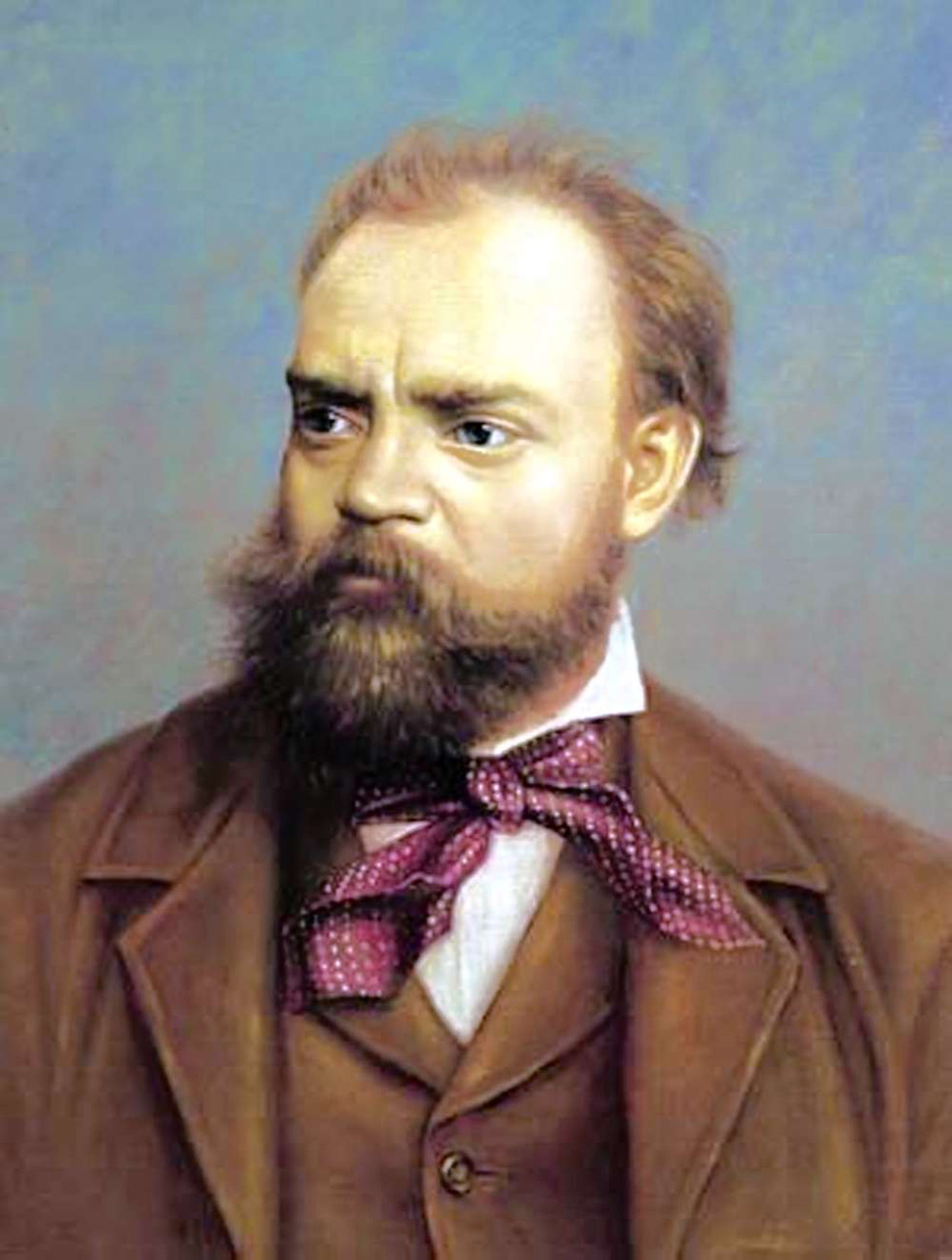
ANTONÍN DVOŘÁK
(1841–1904)
MUSIC ::: CLASSICAL ::: MUCHOLAPKA :::
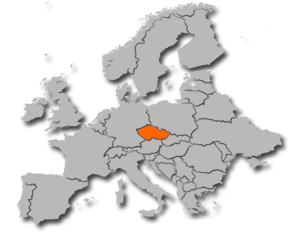
Few composers have done more to define the sound of a nation than Antonín Dvořák. Born in the Bohemian village of Nelahozeves, Dvořák transformed the folk melodies and traditions of his homeland into some of the most beloved music ever written. His symphonies, chamber works and operas demonstrated that a nation's deepest artistic voice could emerge not from imitation, but from its own history and traditions. Works such as Rusalka, with its unforgettable "Song to the Moon," and the timeless Songs My Mother Taught Me continue to embody the spirit of Czech music while speaking to audiences around the world.
Dvořák arrived in America at a remarkable moment in history. As director of New York's National Conservatory of Music, he became one of the cultural figures associated with the 1893 World's Columbian Exposition in Chicago, where Bohemian Day celebrated the achievements of Czech immigrants before tens of thousands of visitors. At the very moment the White City was introducing the world to electric light, modern industry and a new vision of the American city, Dvořák was urging the United States to discover its own musical identity—not by imitating Europe, but by embracing the traditions of African American spirituals and Indigenous music. It was a revolutionary idea: that great national art grows from the culture of ordinary people.
Dvořák's story resonates far beyond the concert hall. His years in America unfolded alongside the emergence of modern Chicago, the Crane family, and the cultural optimism that would eventually lead Charles Richard Crane toward Prague and Alphonse Mucha. Like Mucha, Dvořák believed that the more deeply an artist understood the character of home, the more powerfully that work could speak to the world. In many ways, his music became one of the first great cultural bridges between Bohemia and America, reminding us that the path to the universal almost always begins with the local.