
PUMA JONES

(1953 - 1990)
MUSIC
:::
REGGAE
:::
Before Sandra “Puma” Jones helped carry Jamaican reggae around the world, her journey began in Columbia, South Carolina , where she was born on October 5, 1953. Raised in New York, she listened to Aretha Franklin and Dionne Warwick, earned a master’s degree from Columbia University and worked as a social worker. African dance opened another doorway. Studying with Chuck “Baba” Davis , she entered a world where rhythm, movement and cultural memory belonged together. By the mid-1970s, she had moved to Jamaica, seeking her roots and finding her voice with Ras Michael and the Sons of Negus .
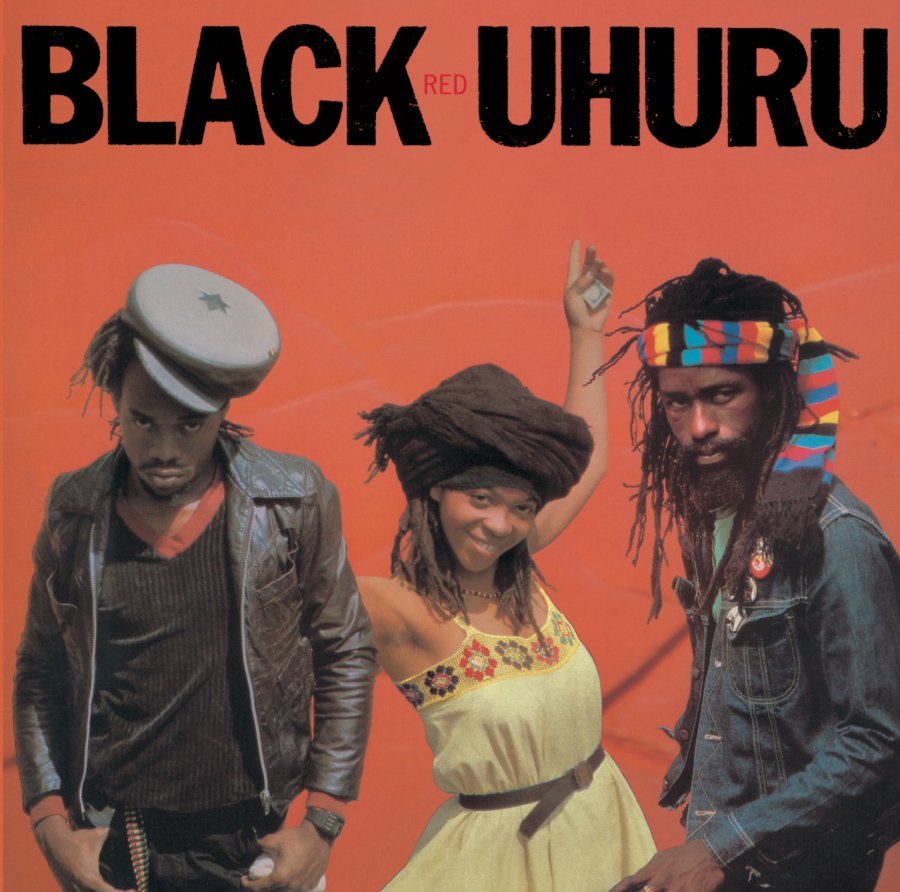
Joining Black Uhuru in the late 1970s, Puma completed the extraordinary vocal triangle of Michael Rose , Derrick “Duckie” Simpson and herself. Her high, haunting voice threaded through the harmonies, bringing an unmistakable presence to the group’s militant roots sound. With Sly Dunbar and Robbie Shakespeare driving the rhythm, Black Uhuru made records that could shake a dance floor while carrying the weight of struggle, faith and liberation. Albums including Sinsemilla , Red and Chill Out established their international reputation; Anthem earned the first Grammy for Best Reggae Recording in 1985. Asked to describe her distinctive contribution, Puma chose one word: “chanting.”
Puma also stepped forward as a songwriter and lead vocalist on “City Vibes,” speaking openly about women’s place in reggae and the strength required to sustain a career within it. Breast cancer forced her withdrawal from Black Uhuru in 1987; she died on January 28, 1990, aged just 36. Her life traced a remarkable passage from the American South through New York’s African dance community to Jamaica’s international stages. Listen to those records and the passage remains audible: a woman finding her place in the music, then changing its sound.