
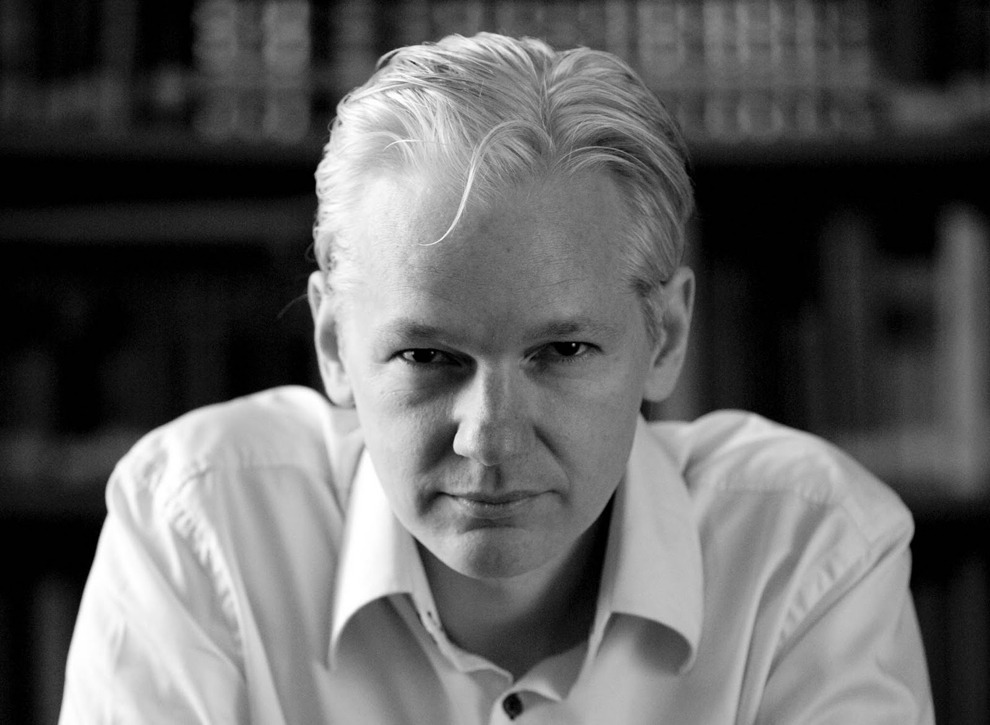
JULIAN ASSANGE
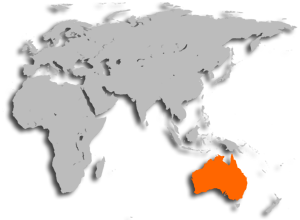
(1971 - )
POLITICS: ::: JOURNALIST :::
The Publisher Who Changed the Information Age
Julian Assange didn't invent whistleblowing, but he transformed it for the digital age. As the founder of WikiLeaks, the Australian publisher placed millions of classified government documents into public view, forcing a worldwide debate over secrecy, accountability, journalism, national security, and the public's right to know. From the "Collateral Murder" video and the Iraq and Afghanistan war logs to U.S. diplomatic cables, his work reshaped how governments, journalists, and citizens think about information in the twenty-first century.
Few figures have divided public opinion as sharply. To supporters, Assange became one of the most important publishers of his generation and a symbol of press freedom in the digital era. To critics, the publication of classified material endangered lives, compromised national security, and blurred the line between journalism and activism. Years of legal battles, asylum in the Ecuadorian Embassy in London, imprisonment in Belmarsh Prison, and ultimately a 2024 plea agreement that allowed him to return to Australia transformed his personal story into one of the defining legal and political dramas of the modern information age.
Motherlode is less interested in easy answers than difficult questions, and Julian Assange forces us to ask some of the most important ones of our time. Who owns information? Where is the line between transparency and security? When does publishing become activism, and when does secrecy become a threat to democracy? Whatever history ultimately decides about Julian Assange, there is little doubt that he permanently changed the relationship between governments, journalists, technology, and the public—and ensured that the debate over truth, power, and accountability is far from over.