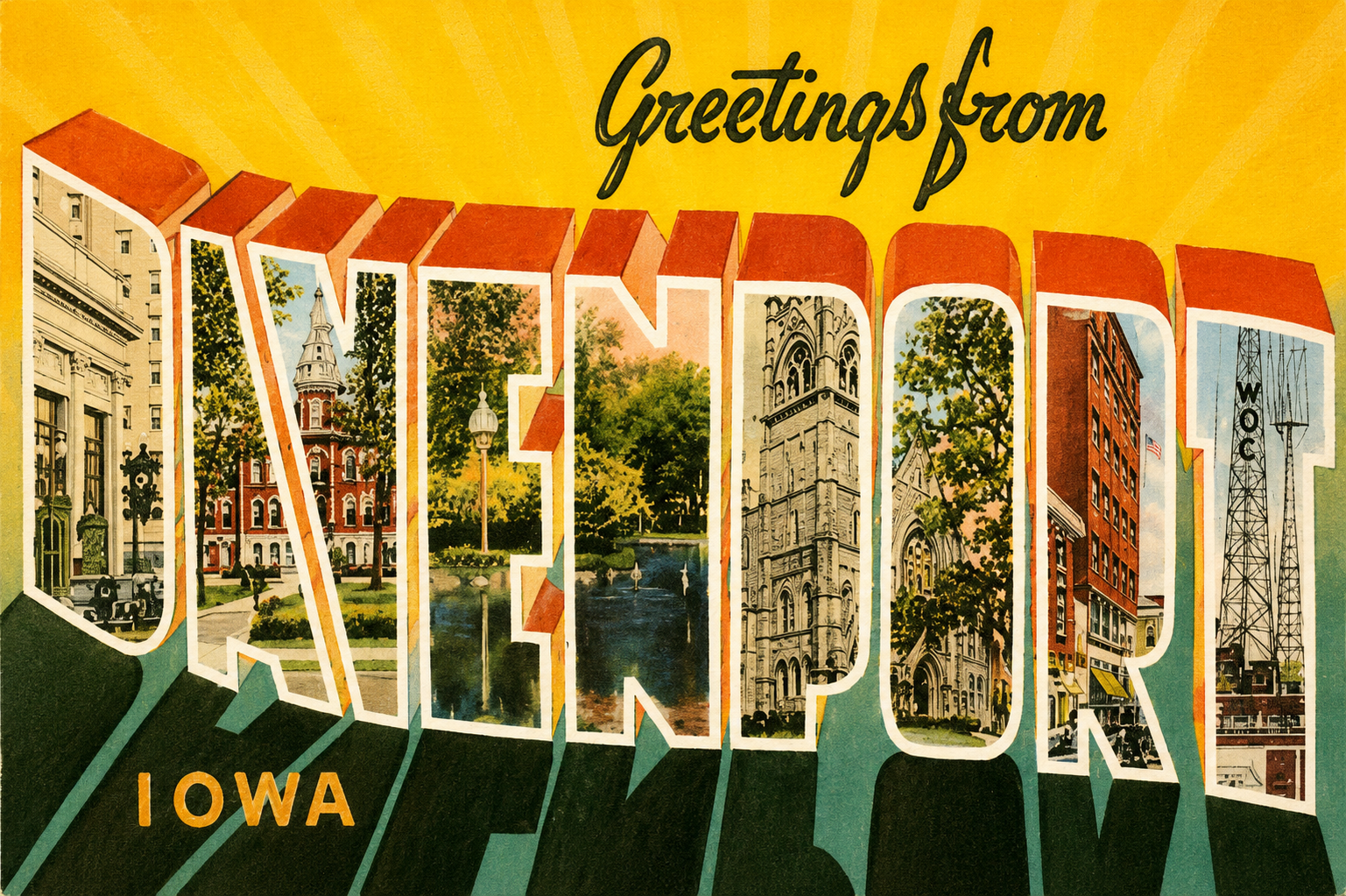
DAVENPORT, IOWA
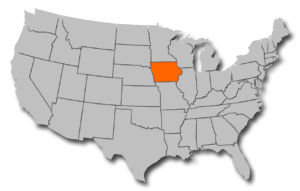
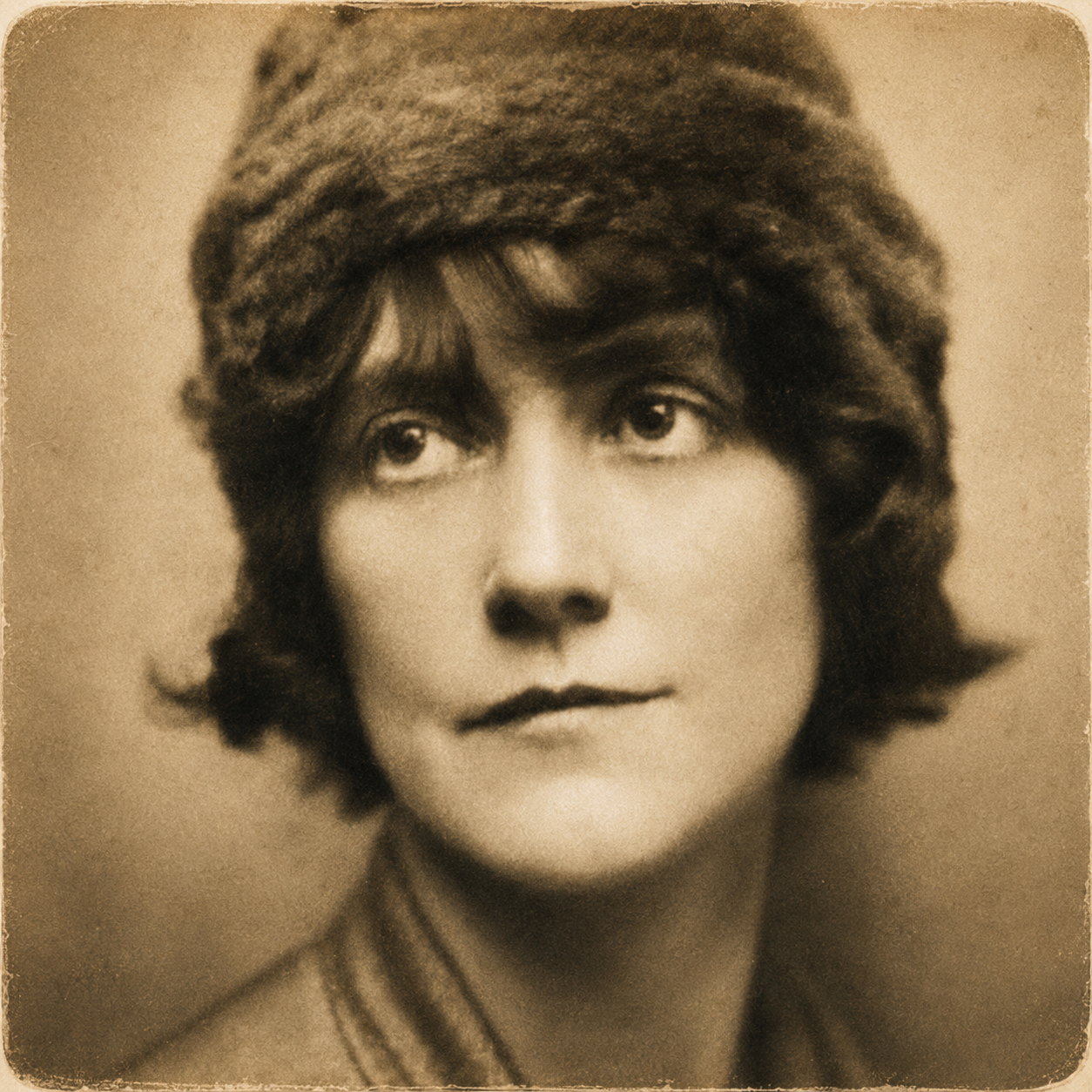
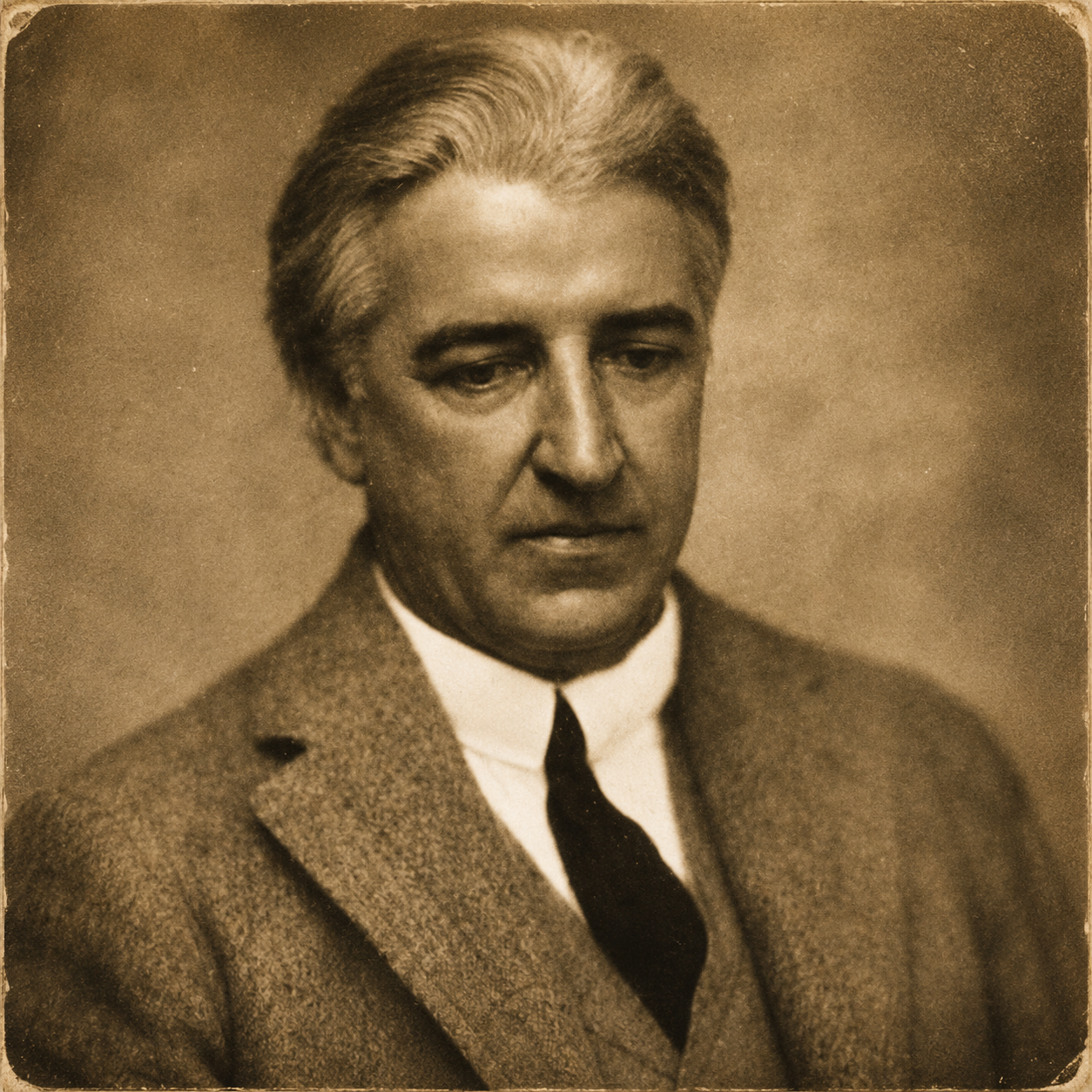
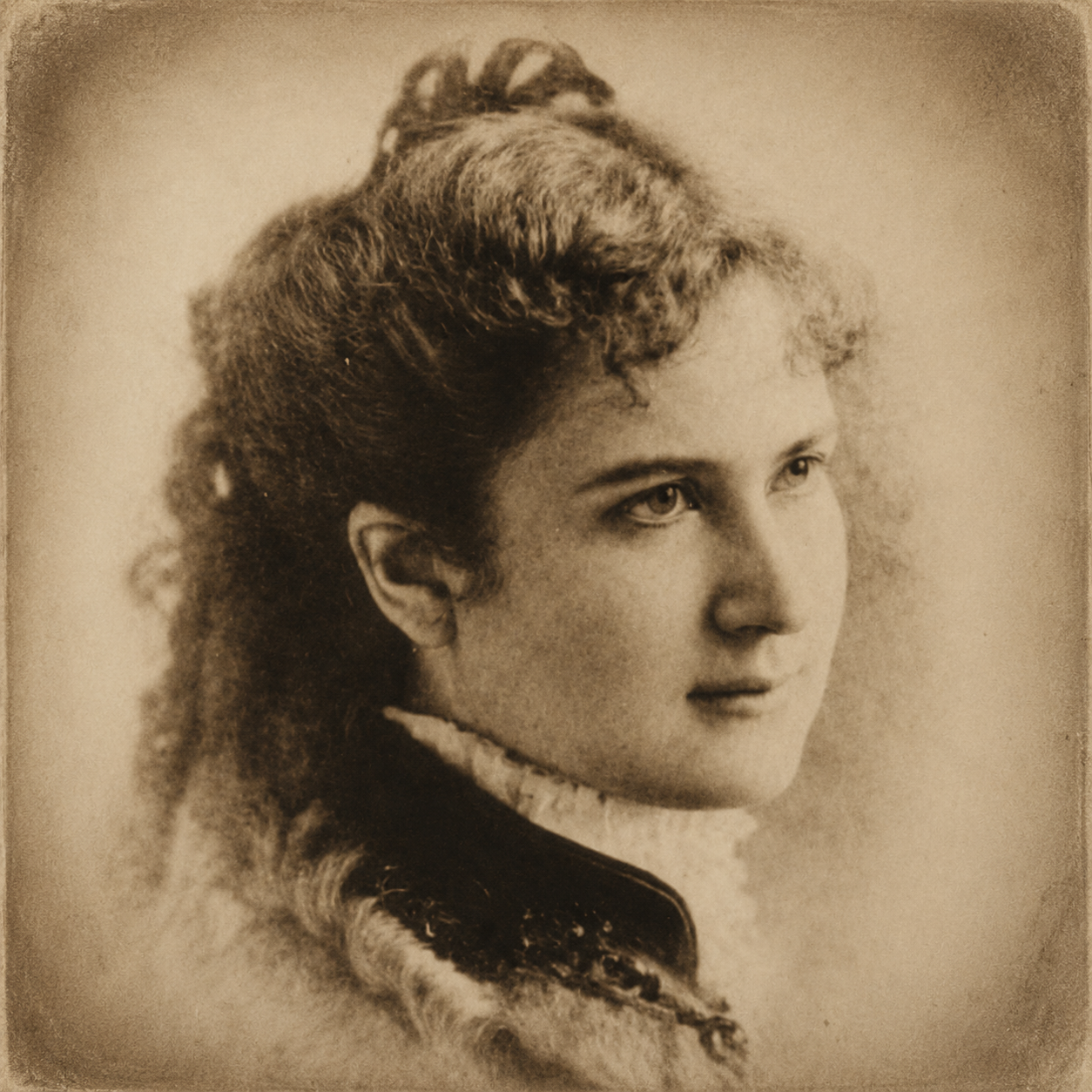
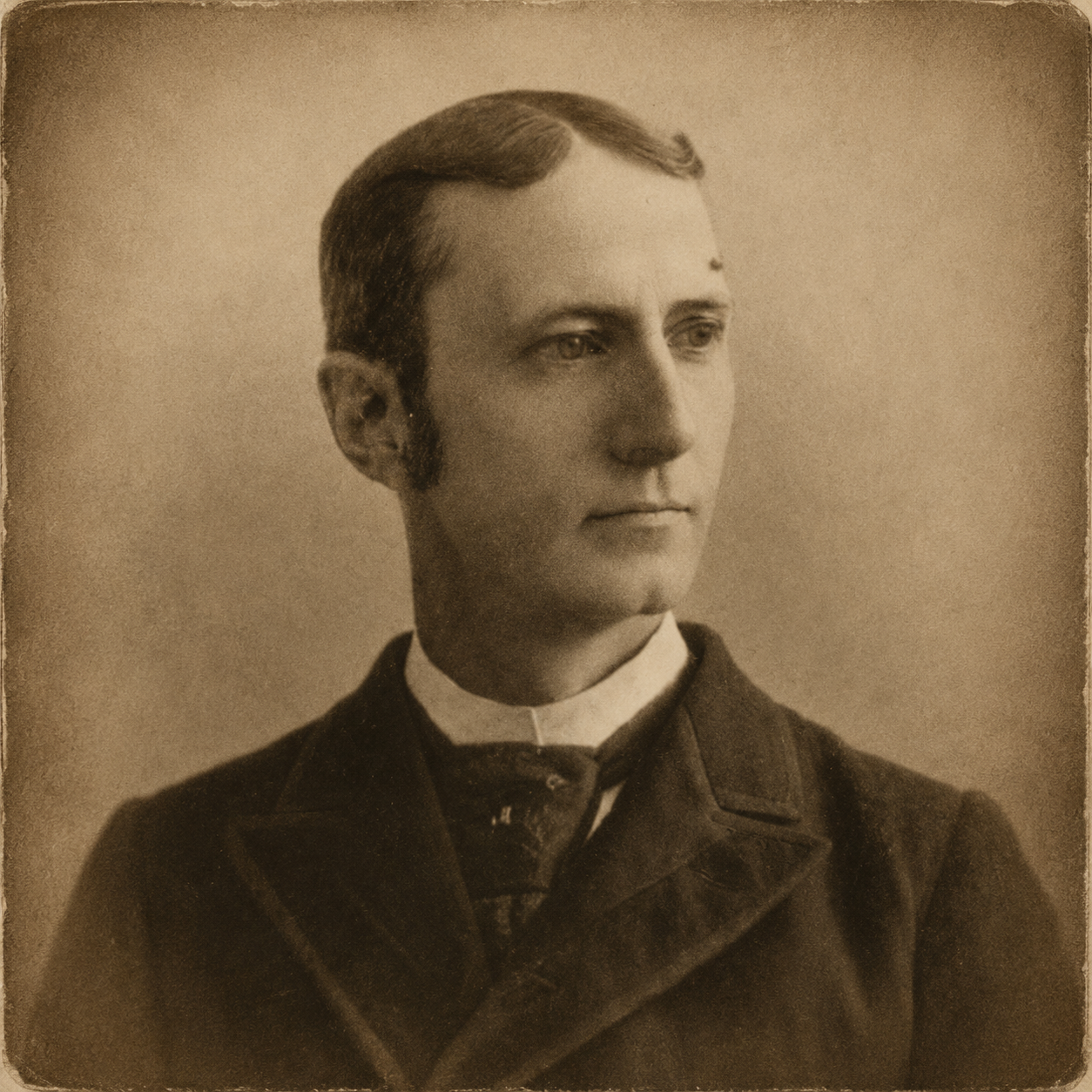
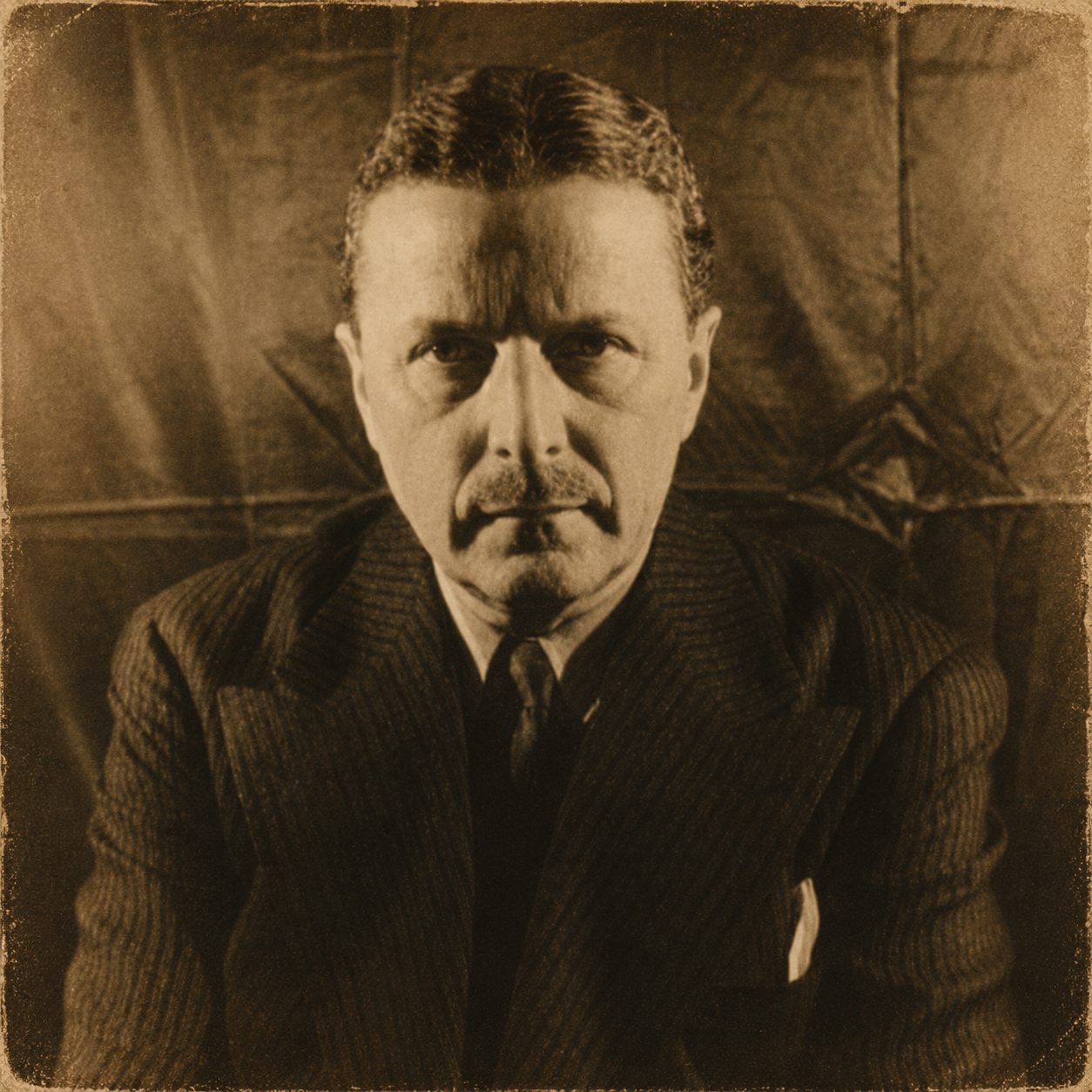
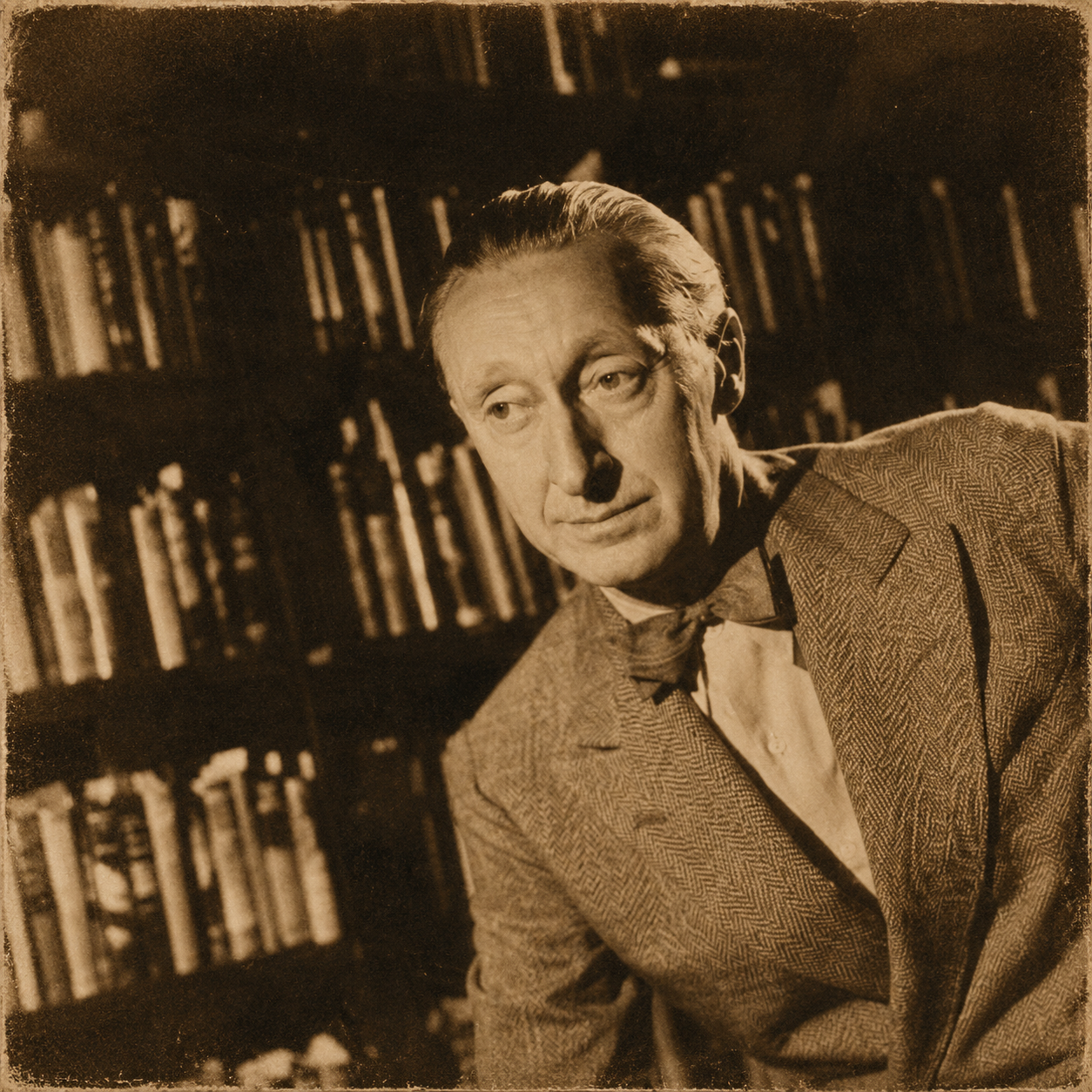
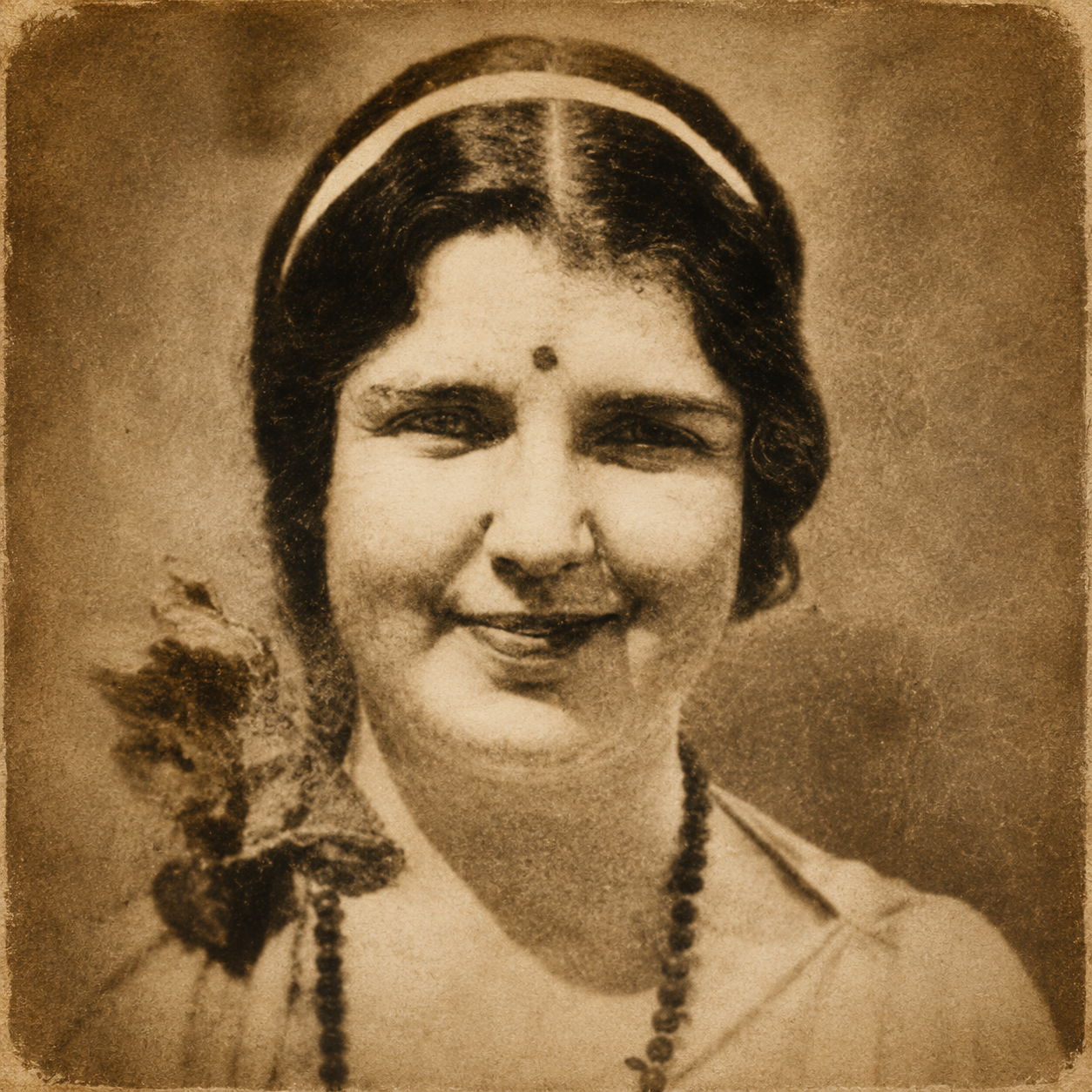
Long before the lights came up on the Provincetown Players, the first act had already begun in Davenport, Iowa. At the turn of the twentieth century, an unlikely Mississippi River city produced one of the most influential literary circles in American history. There was no manifesto, no clubhouse, no official membership—only a remarkable constellation of writers including Susan Glaspell, George Cram Cook, Floyd Dell, Arthur Davison Ficke, Harry Hansen, and the mentors and predecessors who nurtured them, among them Charles Eugene Banks and Alice French. Together they transformed a Midwestern city into an improbable incubator for American modernism.
What united the Davenport Group was not a common style but a common restlessness. They believed American literature could break free from convention, speak honestly about contemporary life, and create new forms rather than imitate old ones. As the group dispersed, their ideas traveled with them—from Davenport to Chicago, to Greenwich Village, and finally to Provincetown. There, in the summer of 1915, Susan Glaspell and George Cram Cook gathered friends to stage original plays outside the commercial theatre. The experiment became the Provincetown Players, launching the careers of writers such as Eugene O'Neill and forever changing the course of American drama. The road to Provincetown, it turns out, began on the banks of the Mississippi.
The Davenport Group reminds us that cultural revolutions rarely begin where history says they do. They begin quietly—in conversations, friendships, newspapers, living rooms, and small cities that history almost forgets. Provincetown may have been the place where modern American theatre caught fire, but Davenport supplied much of the kindling. It is a story that perfectly embodies the Motherlode philosophy: culture is not born in monuments or institutions—it is carried by people, transmitted through communities, and passed from one generation to the next until, somewhere unexpected, it changes the world.