CHAPTER ONE: WHITE CITY
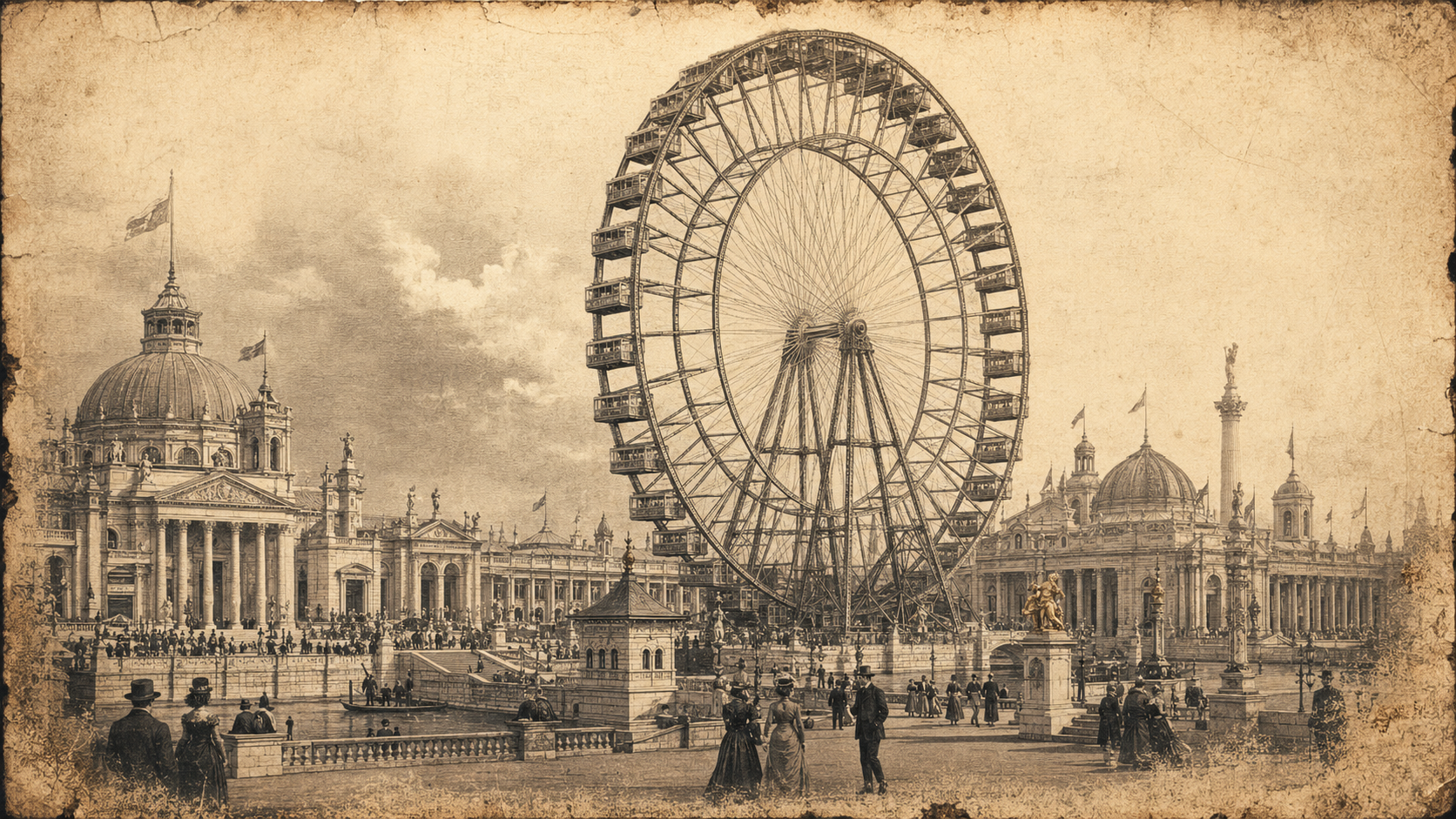
On May 1, 1893, President Grover Cleveland pressed a button and a city came alive. Fountains leapt from their basins. Machinery shuddered into motion. Electric lights illuminated a collection of enormous white palaces rising beside Lake Michigan. Built to celebrate the four-hundredth anniversary of Columbus arriving in America, the World’s Columbian Exposition was more than a fair. It was America presenting its vision of the future—and inviting the world to step inside.
Daniel Burnham had been given an impossible assignment: build a city where none existed, fill it with the greatest achievements of mankind and have it ready when the world arrived. The White City became a showroom for the next century. Visitors encountered electric lights, machines, packaged foods, household conveniences and products they had never imagined needing. The fair did not simply display progress. It introduced modern consumerism by teaching people that the future was something they could purchase.
Burnham’s partner in shaping the fairgrounds was Frederick Law Olmsted, the landscape architect behind New York’s Central Park and Boston’s Emerald Necklace. While Burnham organized the buildings, Olmsted designed the world between them: lagoons, canals, bridges, islands and long views across the water. Electric boats carried visitors through the grounds, allowing the White City to reveal itself like a carefully staged dream.
Olmsted understood that the fair’s enormous buildings, machinery and crowds could overwhelm the visitor. His landscape supplied the counterweight. The wooded island and waterways offered shade, movement and moments of quiet inside America’s roaring demonstration of progress. Burnham gave the fair its skyline. Olmsted gave it room to breathe.
Consider what happened when the outhouse moved indoors. A bathroom required pipes behind the walls, valves beneath the floor, faucets, drains, a sink, a toilet and a bathtub. Then came hot water, tile, mirrors, towels, soap, medicine cabinets and an expanding universe of products that would enter nearly every American household. One room created an entire economy. Richard Teller Crane did not merely manufacture plumbing fixtures. His company supplied part of the hidden machinery that allowed the modern city—and eventually the modern home—to exist.
Burnham built the dream. George Westinghouse turned on the lights. Crane helped make the place function. But the White City was never as solid as it appeared. Its monumental palaces were temporary structures covered in white plaster rather than marble. Its beautiful surfaces concealed wires, pipes, pumps, boilers, labor and money. Beyond the fairgrounds, H. H. Holmes constructed another building filled with hidden rooms and secret purposes. Burnham demonstrated what mankind could build. Holmes demonstrated what mankind could conceal.
Imperial Russia also arrived at the fair. Among the institutions introduced to American civic leaders was the Russian White Cross, a humanitarian organization connected to the Romanov family. Richard Teller Crane would help develop its American counterpart. His son Charles would follow that relationship much farther—through the University of Chicago, into Russia and eventually to the court of the Tsar. The Crane family’s road toward the Russian Revolution began amid the electric lights of the White City.
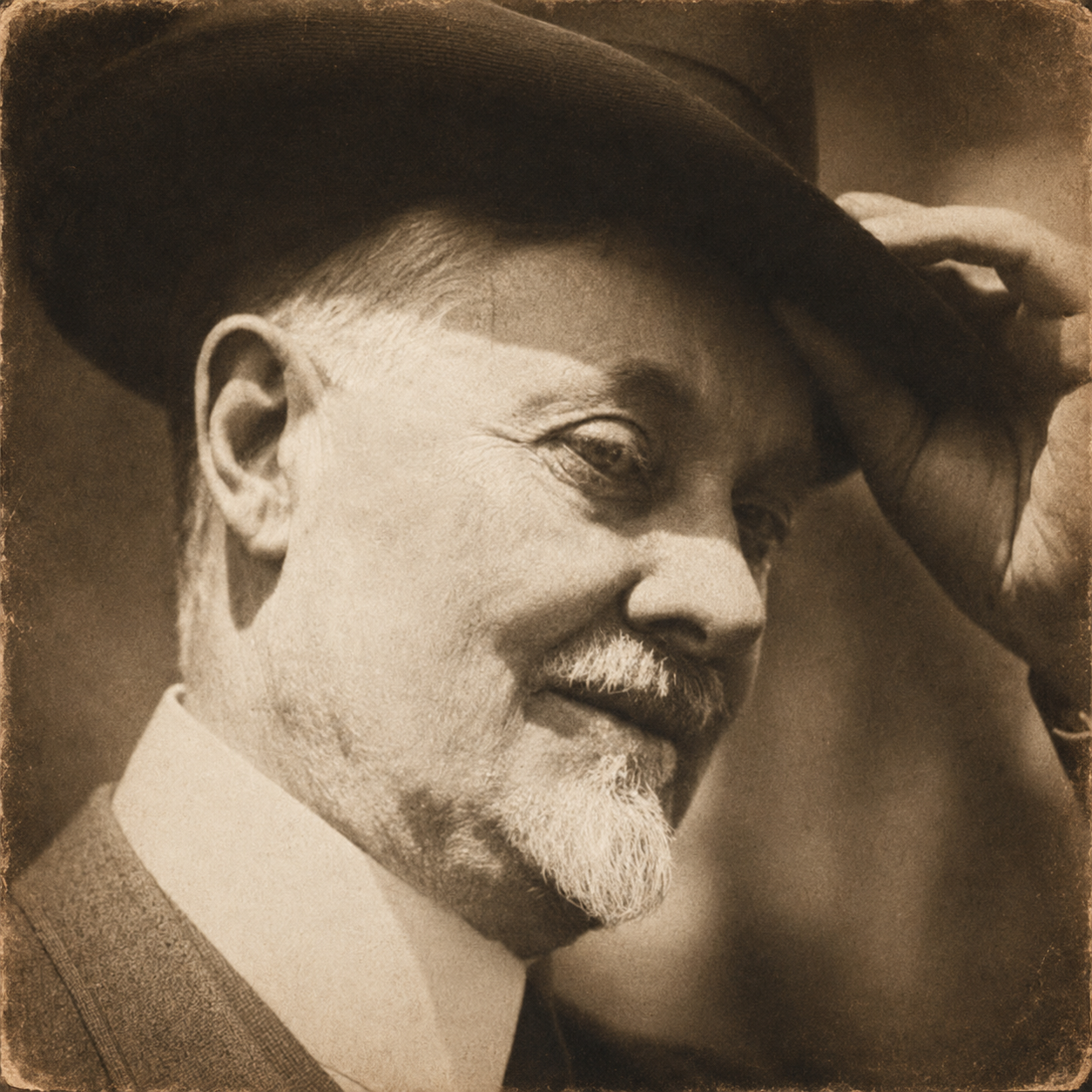
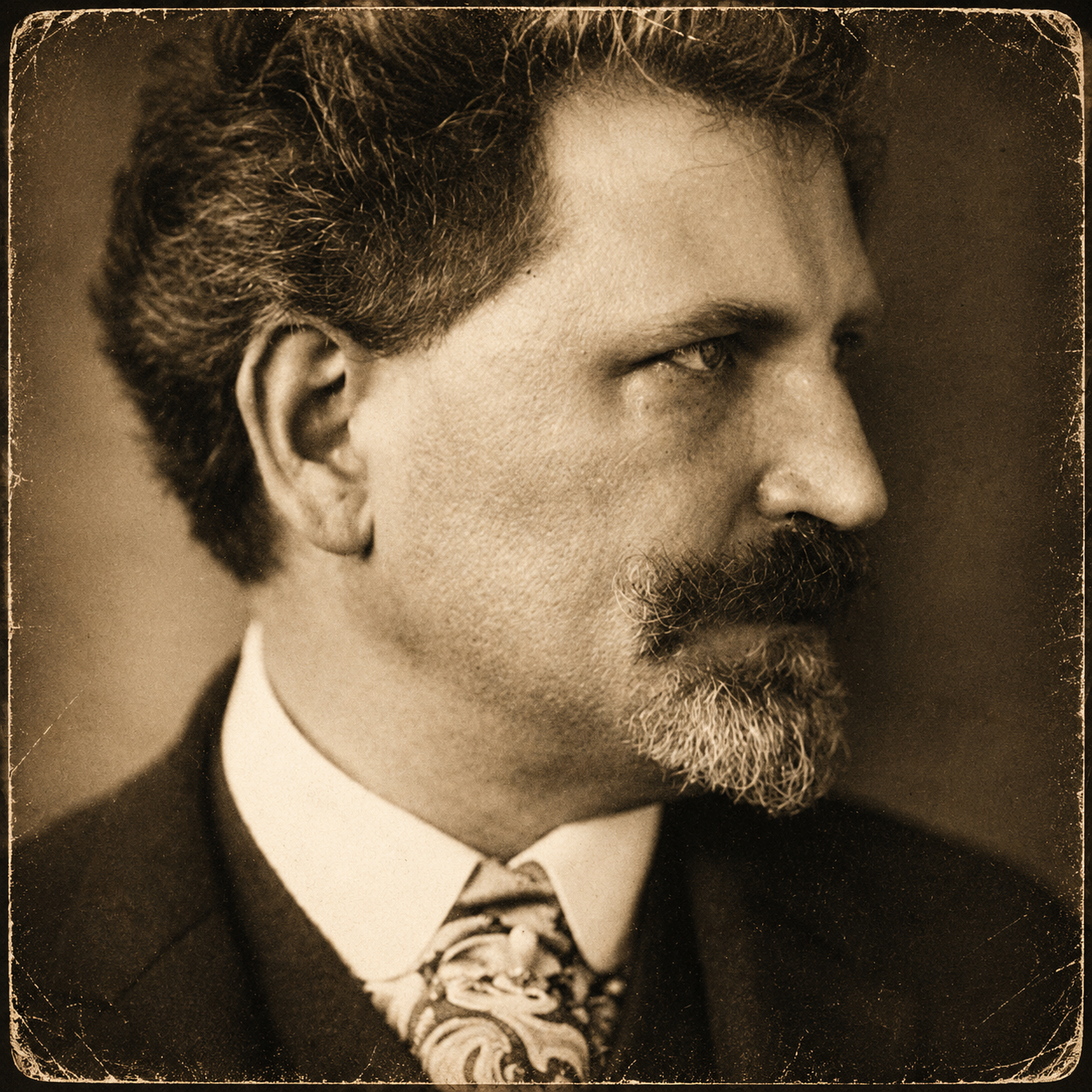
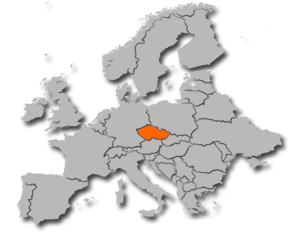
Then, on August 12, Antonín Dvořák raised his baton before thousands gathered for Bohemian Day. He conducted the music of a people who possessed a culture, a history and an identity—but no independent country. Czechoslovakia did not exist. Tomáš Masaryk had not yet become its founding president. Alphonse Mucha had not yet met Charles Crane or imagined The Slav Epic. Yet for one day at the White City, Bohemia could be heard.
Everything that follows is already present here in miniature: industry becoming influence, faith becoming organization, culture becoming national identity and private wealth acquiring the power to redirect history. The White City promised that mankind could construct a perfect future. The murders surrounding it warned that the same machinery could serve very different purposes.
This is the question that will follow us from Chicago to Paris, Prague, St. Petersburg and the Sudetenland:
What happens when mankind acquires the power to build its dreams before it acquires the wisdom to control them?
The White City was temporary. The forces assembled there were not.