CHAPTER TEN: VERSAILLES
The guns stopped on November 11, 1918, but peace did not arrive with the silence. Four empires had collapsed: German, Austro-Hungarian, Russian and Ottoman. Their rulers were gone, their borders were broken and millions of people were waiting to discover what country they now lived in.
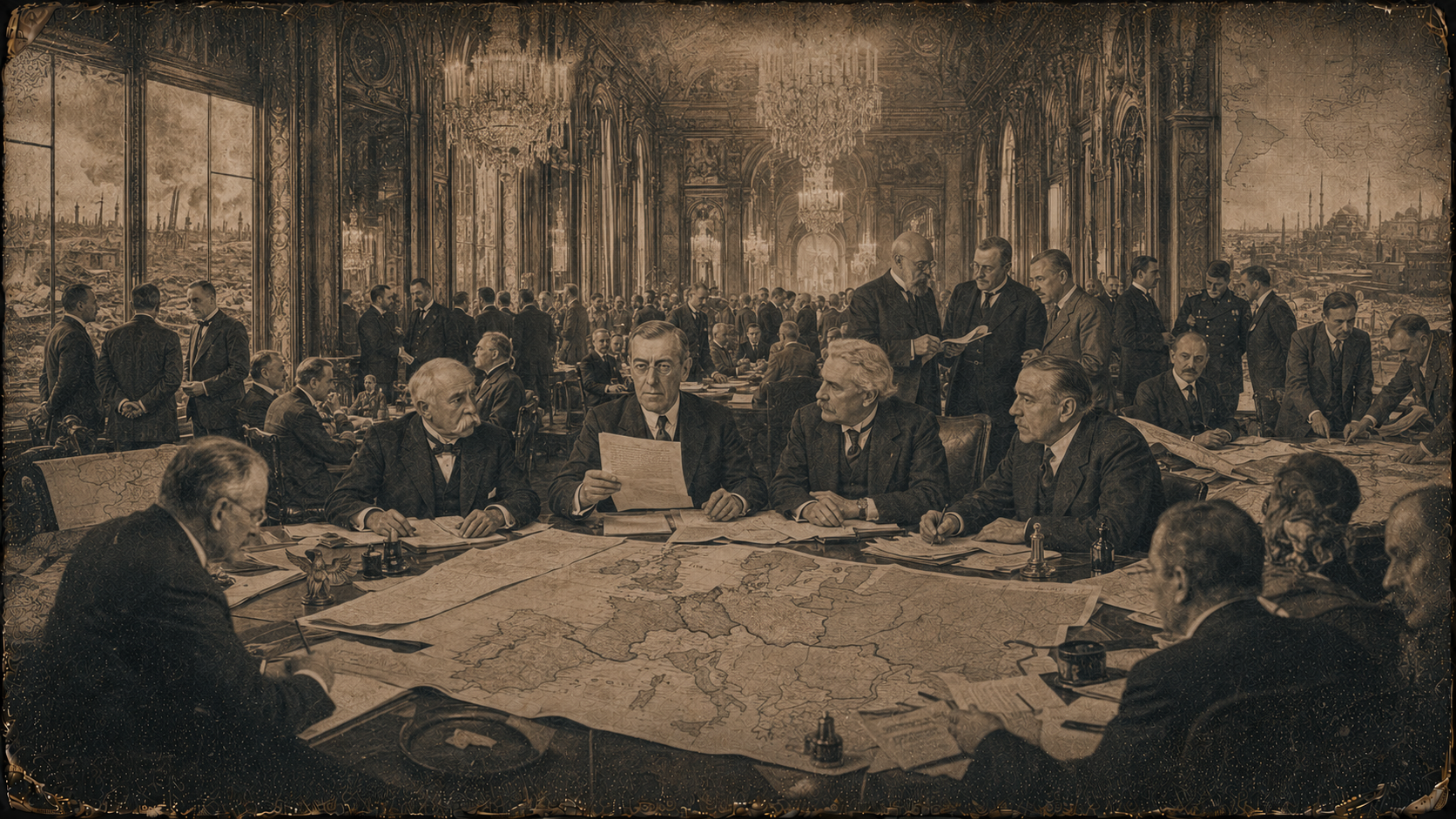
The victors gathered in Paris to redraw the map.
Woodrow Wilson arrived with the Fourteen Points, promising open diplomacy, smaller armies, national self-determination and a League of Nations that would prevent another world war. To people who had spent generations ruled by distant emperors, Wilson appeared to offer a revolutionary idea: perhaps a country should belong to the people who lived in it.
The difficulty was deciding who those people were.
Europe did not divide itself into neat cultural blocks. A Czech town might be surrounded by German villages. A railway could begin in one proposed country, cross another and deliver coal to a third. Rivers, factories, farms and mountain defenses refused to cooperate with the lines politicians wanted to draw. Every new border freed one population while trapping another on the wrong side of it.
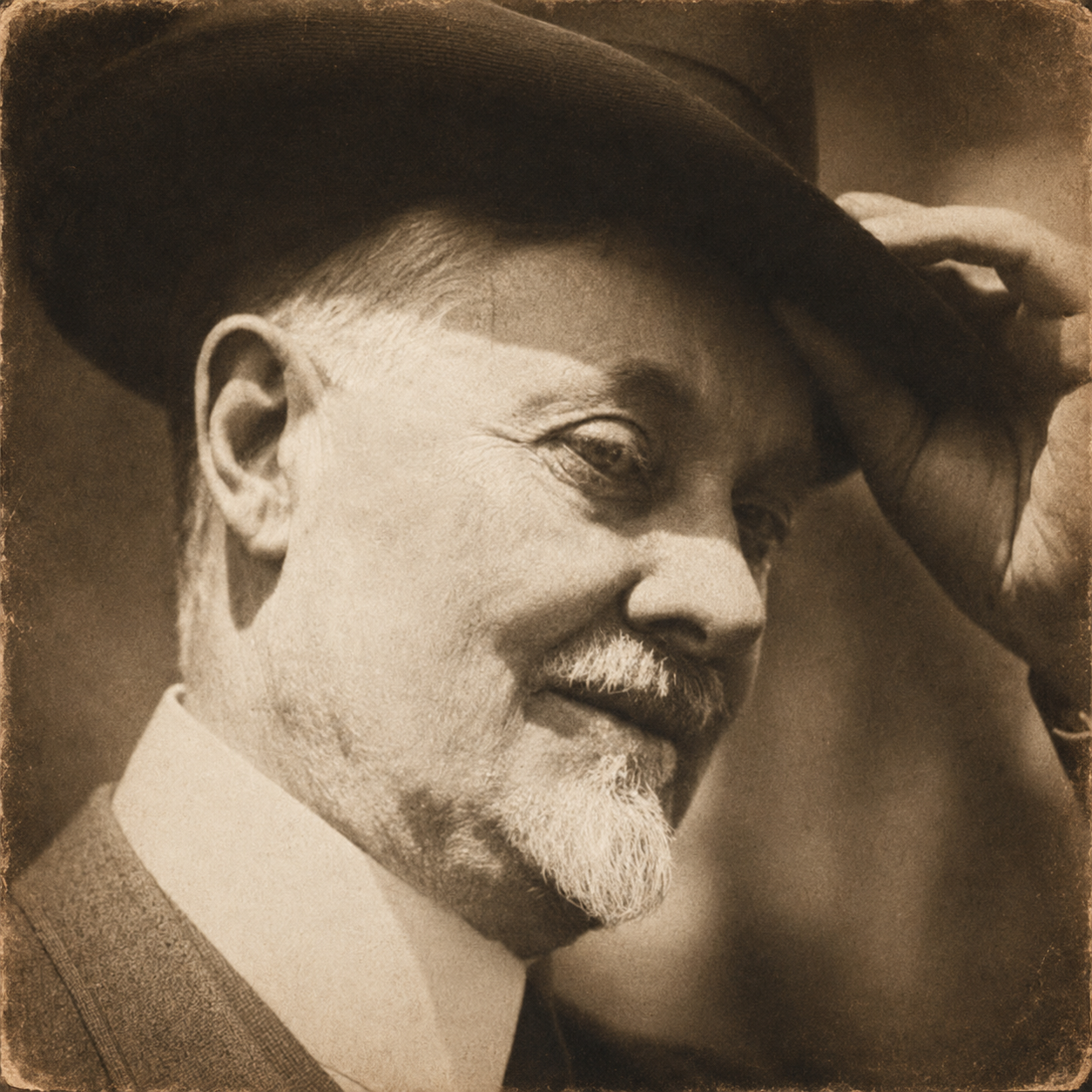
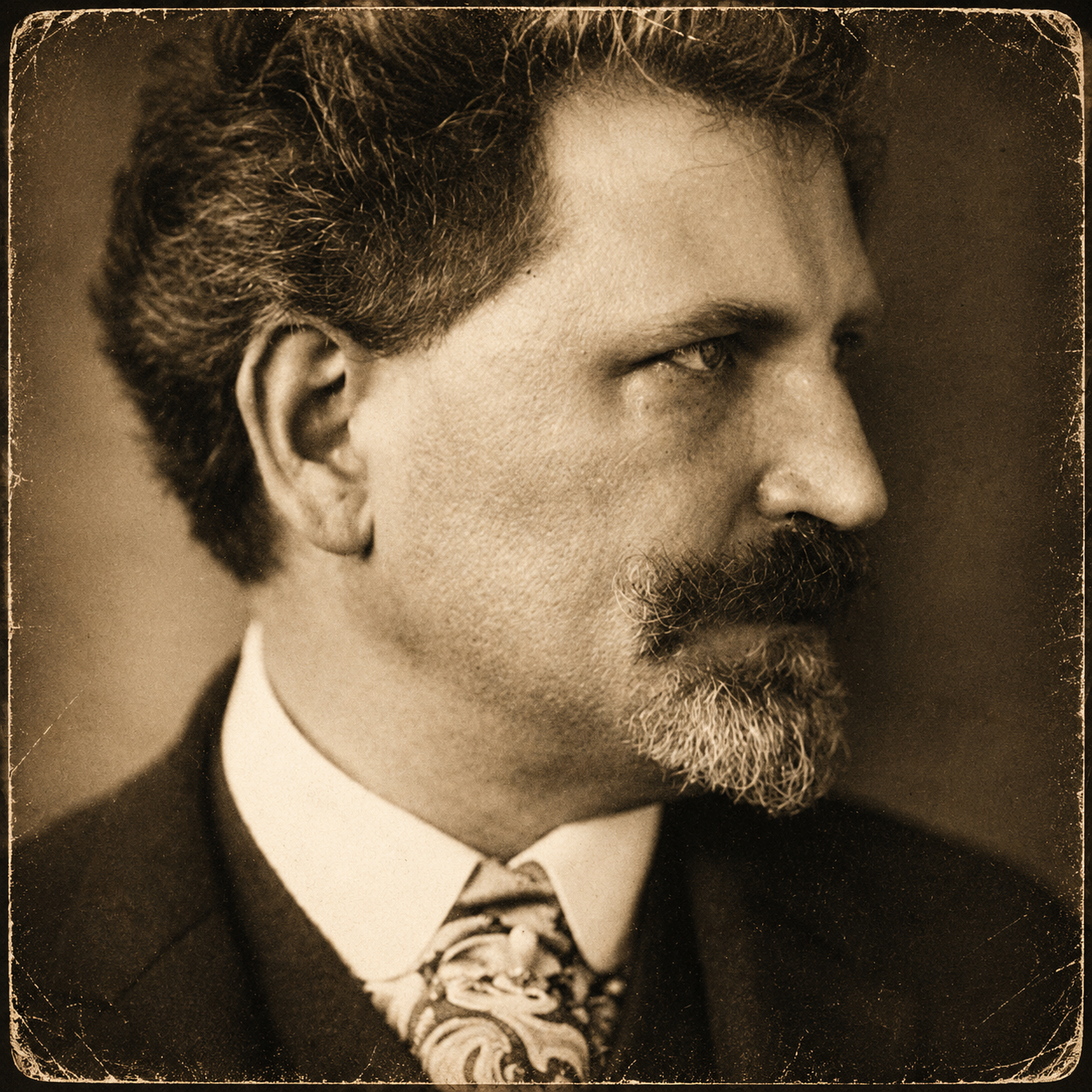
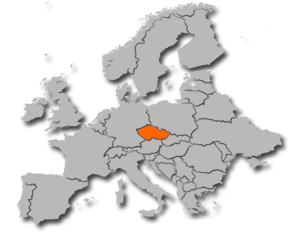
Tomáš Masaryk understood that the Czech and Slovak cause could not arrive in Paris as a hopeful suggestion. During the war, he, Edvard Beneš and Milan Rastislav Štefánik had built political organizations, secured international support and assembled military legions that fought beside the Allies. By the time the peace conference opened, Czechoslovakia had already declared its independence and Masaryk had become its first president.
The country existed. Now it needed borders.
Those borders gave Czechoslovakia industry, railways, natural defenses and enough territory to survive. They also placed millions of Germans and Hungarians inside the new republic. The peace conference had solved the Czech question by creating several smaller questions that would wait twenty years for Hitler to exploit them.
Versailles became the name associated with the entire settlement, although the new map was actually produced through several treaties. The paperwork was complicated. The basic action was not: the victorious powers were dividing the remains of defeated empires.
Then the entire Mucholapka story converged.
Alphonse Mucha gave the new country a face. He designed its stamps, banknotes and official documents, placing Czech and Slavic history into the hands of ordinary citizens. A portrait of Charles Crane’s daughter Josephine as the goddess Slavia appeared on the first Czechoslovak 100-koruna note. The fortune created by plumbing fixtures in Chicago had become part of the currency of a Slavic republic.
The Crane connection went even further. Wilson appointed Charles’s son Richard as the first American minister to Czechoslovakia. Charles had financed Masaryk’s lectures, supported Mucha’s paintings, helped elect Wilson and carried the Czech cause through his American network. Now his son represented the United States in the country those relationships had helped create.
Crane was also sent into the remains of the Ottoman Empire. Wilson appointed him and Oberlin College president Henry Churchill King to investigate what the people of the Middle East wanted for themselves. Britain and France declined to participate, leaving King and Crane to conduct the mission as an American commission.
They traveled through Palestine, Syria and Lebanon, meeting delegations and collecting petitions. Their method was almost embarrassingly obvious: before assigning people to new governments, they asked those people how they wished to be governed.
Unfortunately, their answers interfered with decisions the great powers had already made.
The King-Crane report warned against dividing the region without regard for the people living there. It was completed, placed aside and withheld from the public until the settlement was already underway. The commission listened. The governments making the peace proceeded largely as if it had not.
Wilson succeeded in creating his League of Nations, but the United States Senate refused to join it. America had helped design the new security system and then declined to enter the building.
Versailles did not merely end a war. It converted empires into countries, subjects into citizens and cultural identities into political borders. Some of those decisions created democracies. Others created resentments. Many did both at the same time.
This is the question that will follow Czechoslovakia through the years between the wars:
Can peace endure when the people drawing the borders reserve the right to decide whose freedom counts?
Versailles ended the war. It did not end the arguments that had caused it.