CHAPTER ELEVEN: BETWEEN THE WARS
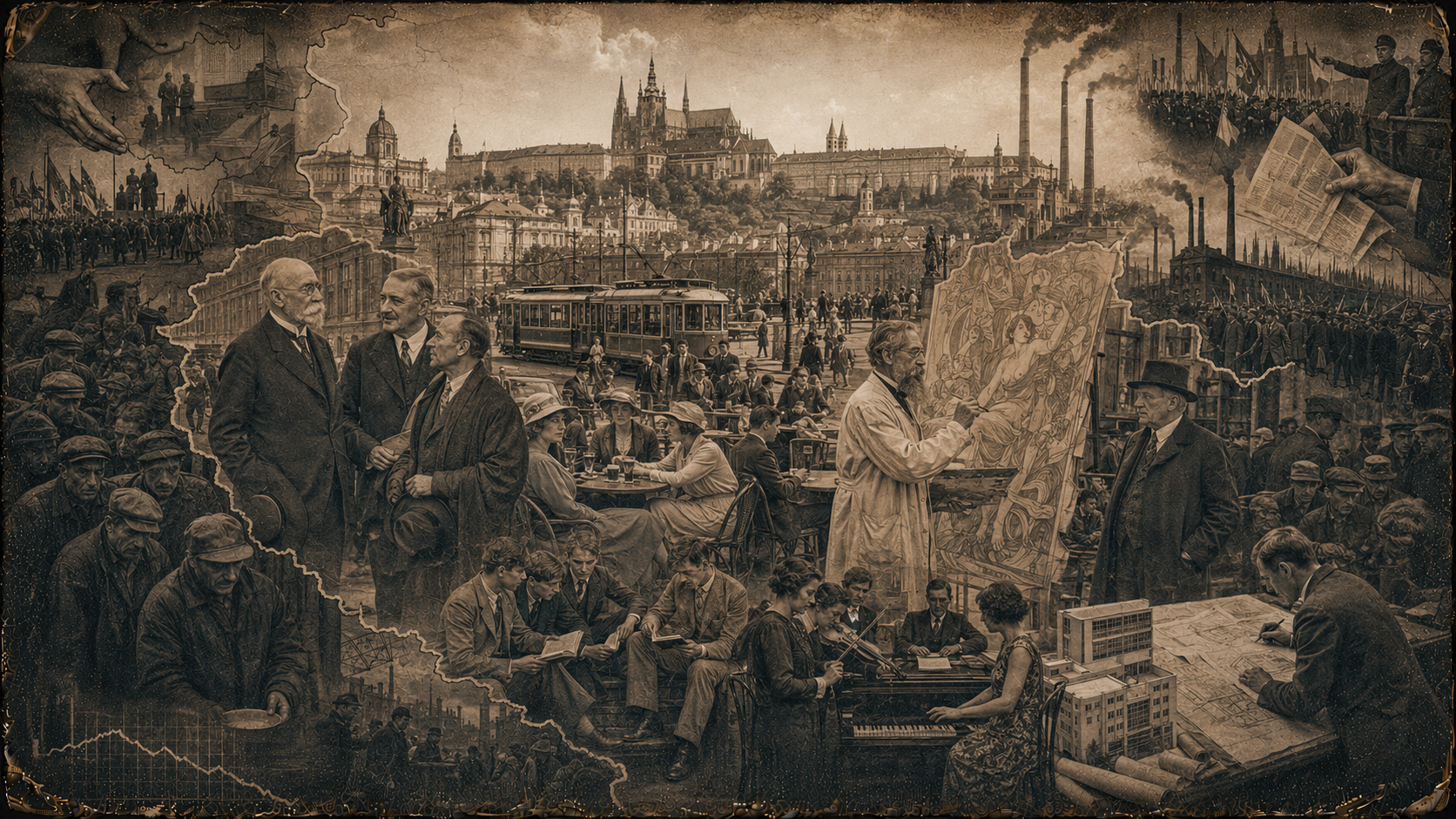
The First World War ended in 1918. The Second began in 1939. The years between them are usually called the interwar period, as if Europe had simply stepped outside for twenty years and then returned to the fighting.
It was not that peaceful.
Empires had disappeared, but their people had not. Germans, Czechs, Slovaks, Hungarians, Poles, Russians and dozens of other communities now found themselves living inside new borders—often beside neighbors who remembered the old borders differently. Europe had redrawn the map without erasing anyone’s memory.
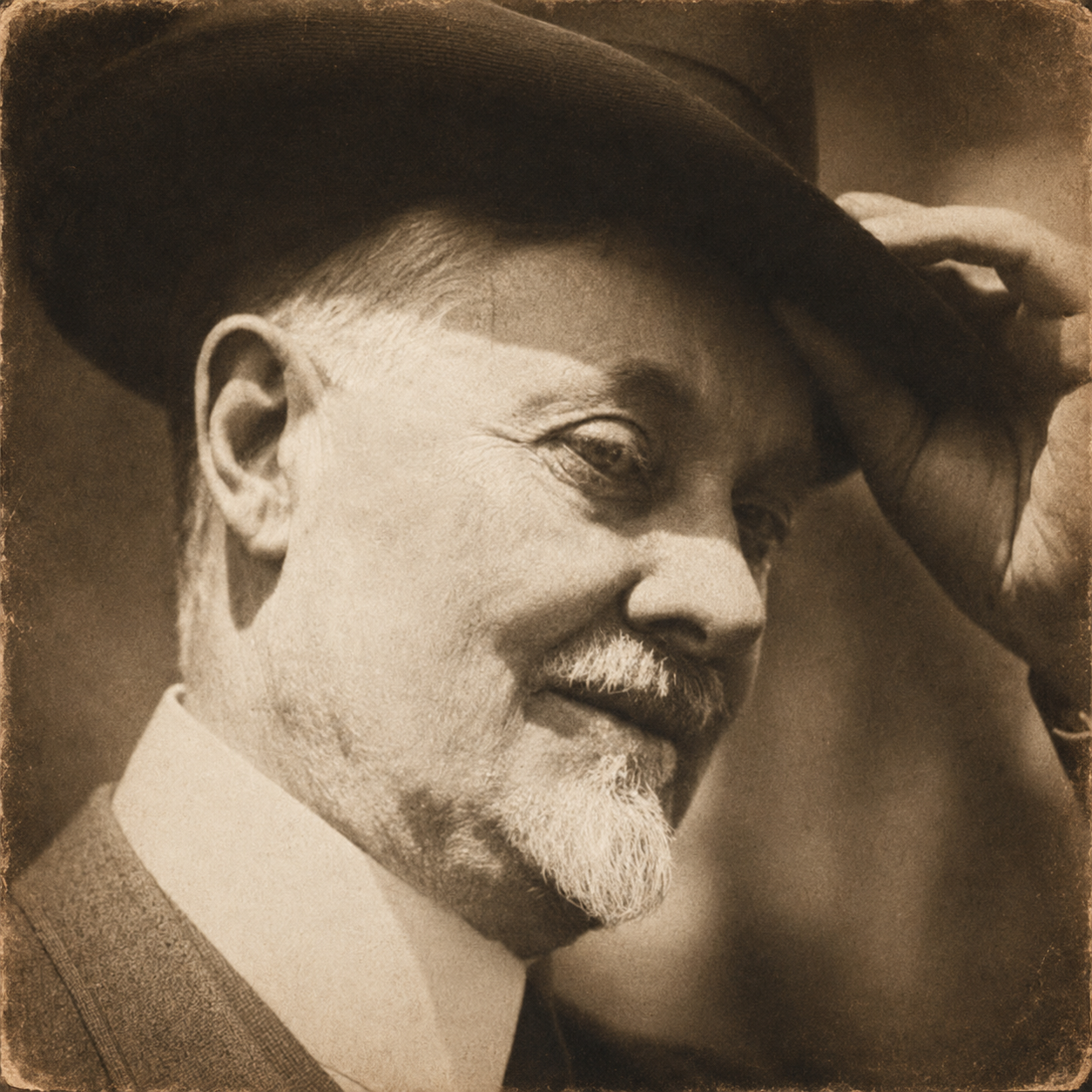
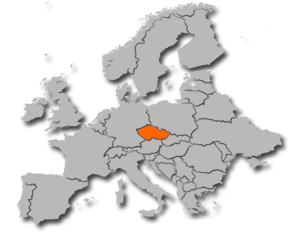
Czechoslovakia was one of the great experiments created by the peace. It had an elected government, a strong industrial economy and Tomáš Masaryk as its first president. Masaryk believed democracy required more than elections. It required education, tolerance and citizens willing to place truth above tribe.
For a moment, it worked.
Prague became the capital of a confident new republic. Czech language and culture no longer needed permission from Vienna. Schools, newspapers, theaters and public institutions helped turn independence from a wartime promise into ordinary life.
But the country also contained large German and Hungarian minorities. Many had not asked to become citizens of Czechoslovakia, and some looked across the border toward nations that regarded their dissatisfaction as an opportunity. The republic was democratic, but it had been built directly over Europe’s fault lines.
The Crane family remained part of the story. Richard Teller Crane II served as the first American minister to Czechoslovakia, representing the United States in the country his father had helped bring to Washington’s attention. Charles Crane, meanwhile, became Wilson’s minister to China and continued traveling, collecting art and supporting scholars, refugees and cultural projects across Europe and Asia.
Crane’s talent was not simply meeting important people. It was recognizing connections before they became obvious to everyone else. He moved easily among presidents, professors, priests, artists and revolutionaries, convinced that culture could reach places where official diplomacy could not.
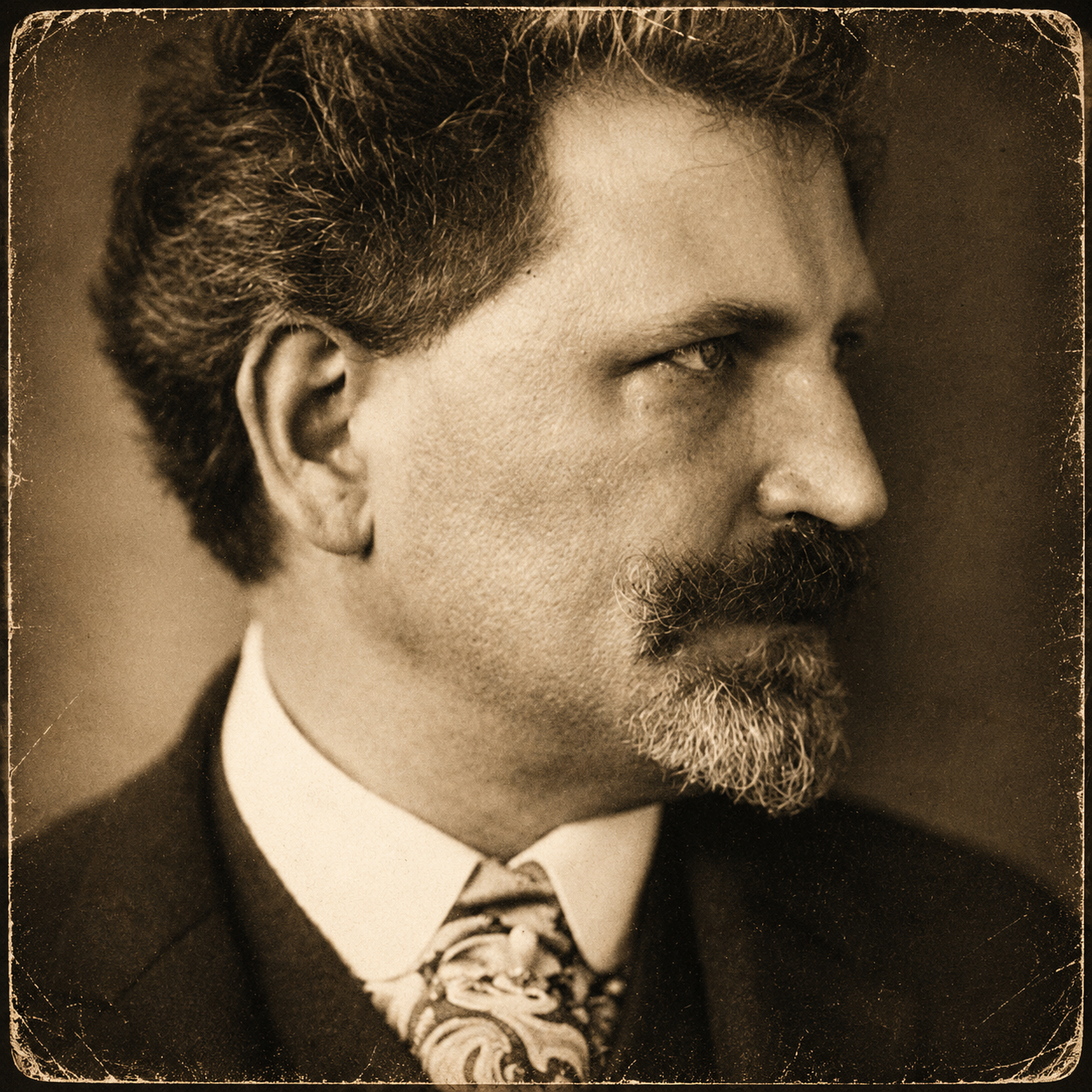
Alphonse Mucha was attempting something similar with paint.
While the new republic established ministries, printed money and argued over borders, Mucha continued working on the twenty enormous canvases of the Slav Epic. Charles Crane financed the undertaking. Mucha supplied the history, symbolism and nearly impossible ambition.
In 1928, Mucha and Crane formally presented the completed cycle to the City of Prague as a gift to the nation. It was the tenth anniversary of Czechoslovak independence—a fitting moment for paintings intended to show the long road by which a people without a country had imagined one into existence.
But Mucha was not merely illustrating Czech victories. His canvases included humiliation, religious conflict, foreign conquest and repeated warnings about what happened when power disguised itself as destiny. The paintings celebrated Slavic history while quietly questioning the uses to which history could be put.
That question was becoming urgent. The League of Nations was weak. The United States had refused to join it. Fascism was taking hold in Italy, communism was consolidating power in Russia and Germany was learning how easily national humiliation could be converted into political fuel.
Then the worldwide economic crash of 1929 stripped away much of the decade’s optimism. Banks failed, factories closed and frightened populations began listening to men who promised simple enemies, restored greatness and order without argument.
The years between the wars were not an intermission. They were the laboratory in which the next war was being assembled.
Before that machinery begins moving, however, we need to look more closely at Mucha’s great gift to Prague. The Slav Epic was not simply a series of very large paintings. It was his attempt to explain what history meant—and to prevent other men from explaining it first.
Can a democracy built from memory survive when its neighbors are building their futures from grievance?