CHAPTER FOUR: MASARYK AND SLAVIC STUDIES IN CHICAGO
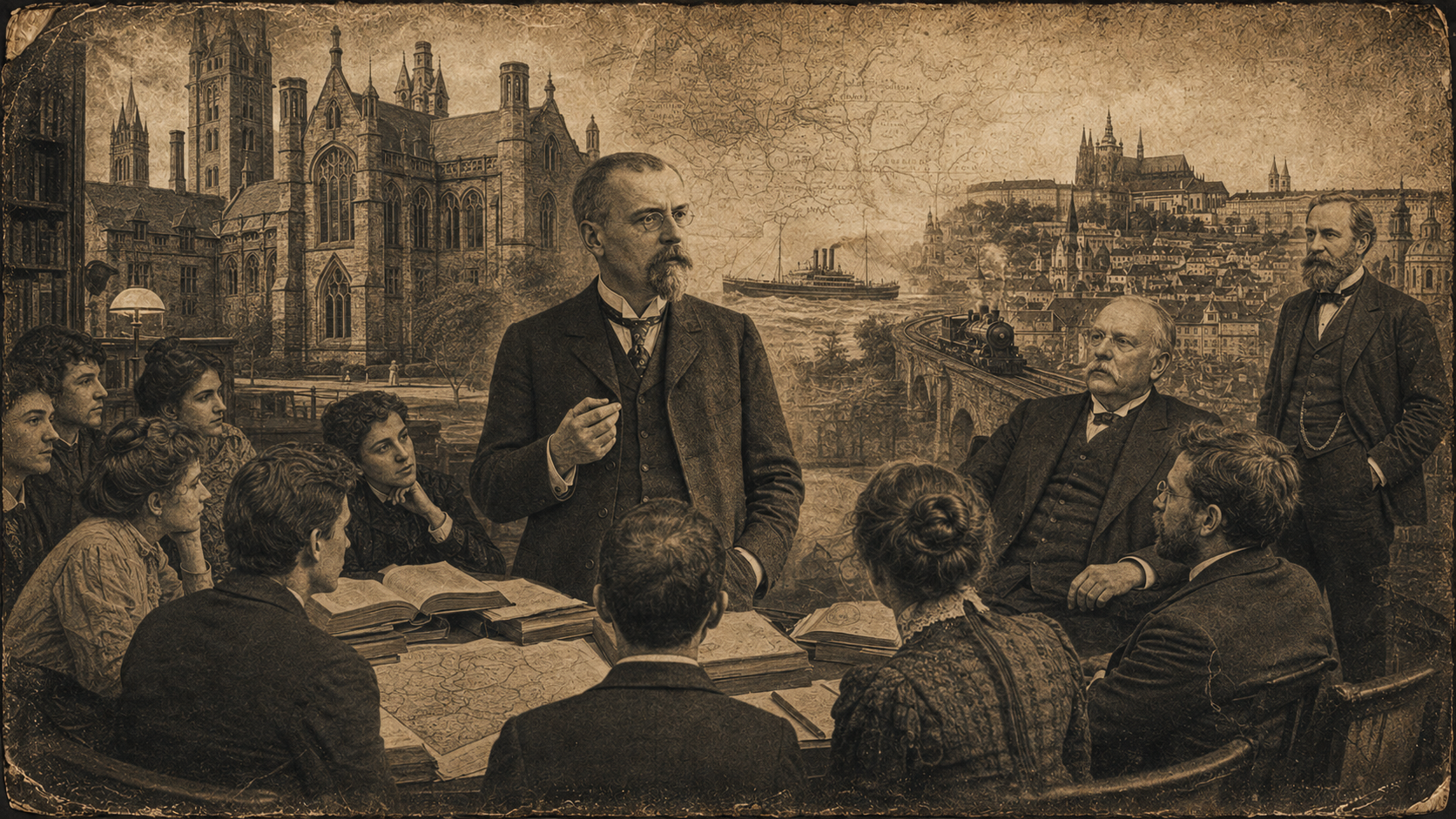
By the beginning of the twentieth century, Chicago had become more than an industrial capital. It was a city of immigrants carrying unfinished histories from Europe. Poles, Russians, Slovaks, Ukrainians and Czechs built neighborhoods, churches, newspapers, schools and political organizations. Nations that did not exist on the map were already taking shape along the streets of Chicago.
Among the people watching these communities was Charles Richard Crane. His fascination with Russia had expanded into a larger interest in the Slavic world. Crane understood that Americans knew little about the peoples living between Germany and Russia—and that this ignorance allowed empires to describe those people however they pleased. He decided that Slavic history, politics and culture needed an American platform.
Crane financed a series of lectures at the University of Chicago and helped bring European scholars to the city. The program introduced American audiences to political ideas and national movements rarely discussed in the United States. It also demonstrated Crane’s emerging method: find an important voice, provide it with a stage and invite the people capable of carrying its ideas farther.
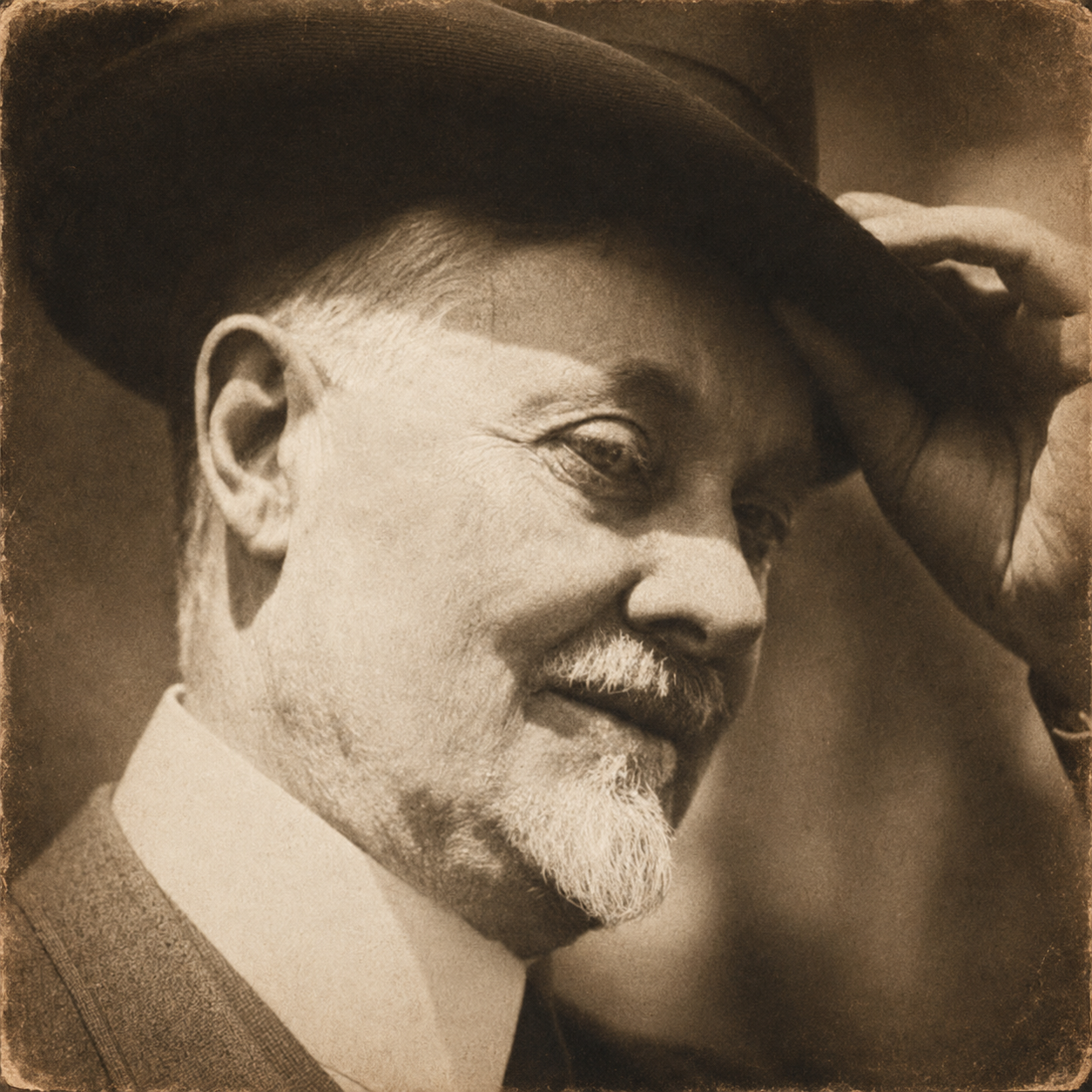
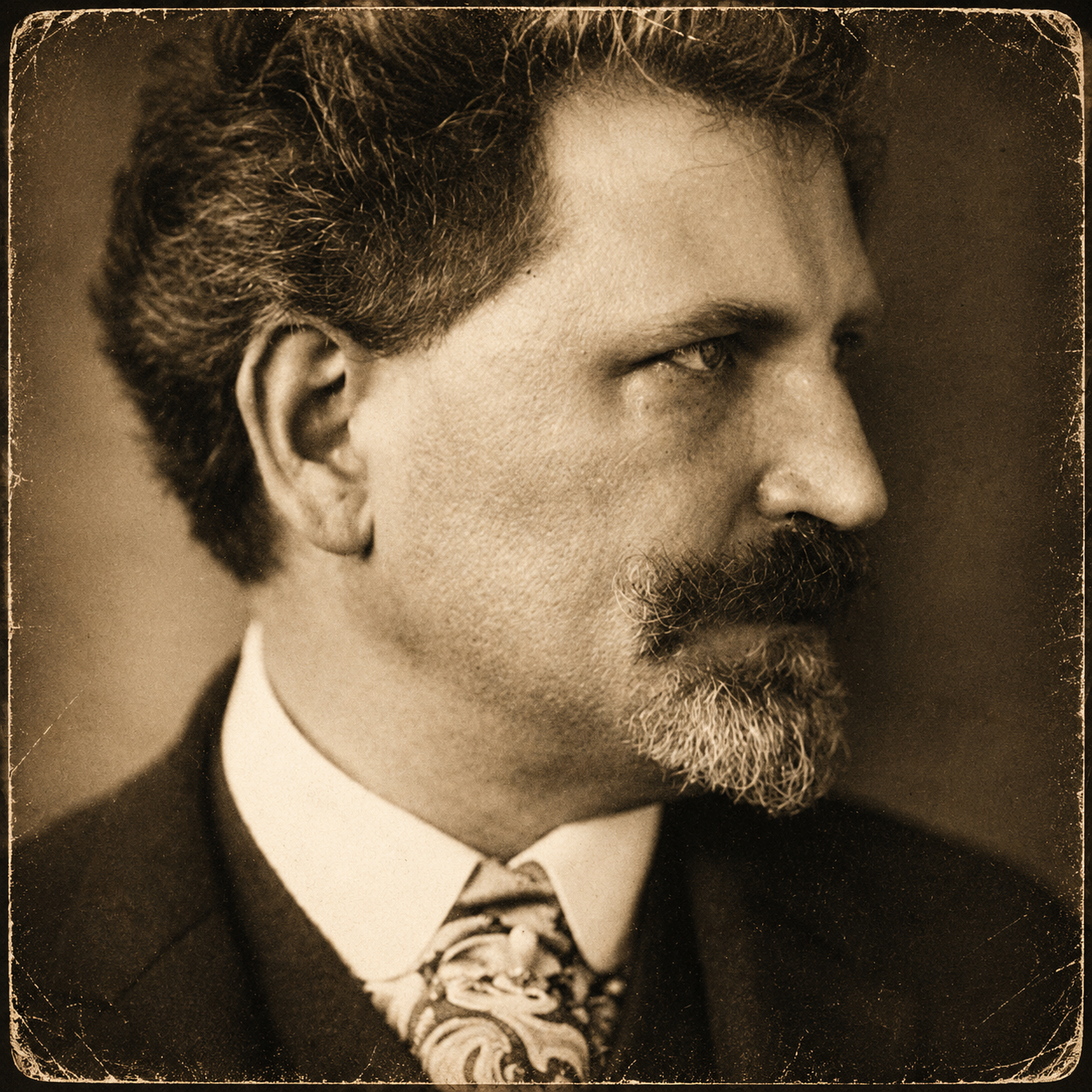
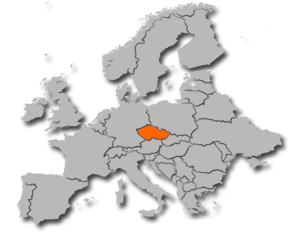
One of those voices belonged to Tomáš Garrigue Masaryk, a professor of philosophy in Prague. Born in Moravia in 1850, Masaryk had risen from modest circumstances to become one of the most provocative intellectuals in the Austro-Hungarian Empire. He challenged forged nationalist documents, opposed antisemitic hysteria and insisted that patriotism without truth was merely another form of propaganda.
Masaryk believed that the Czech people deserved political autonomy, but he did not base that claim upon racial superiority or romantic mythology. A nation, he argued, had to justify itself through democracy, moral responsibility and respect for human dignity. Independence would mean little if a new government simply reproduced the abuses of the empire it replaced.
In 1902, at Crane’s invitation, Masaryk came to the University of Chicago to deliver a series of lectures on the Slavic peoples, Czech history, literature, religion and politics. He was not speaking into an empty room. Chicago contained one of the largest Czech communities outside Europe. To them, Masaryk was not merely a visiting professor. He was articulating the possibility that their culture belonged to a future as well as a past.
The encounter gave Masaryk something equally important: an American audience. He had married Charlotte Garrigue, an American whom he met while studying in Europe, and had adopted her surname as part of his own. Through Chicago, he now encountered American universities, immigrant organizations, wealthy patrons and democratic institutions that could someday become useful to the Czech cause.
Crane and Masaryk appeared to come from different worlds. One was the heir to an industrial fortune; the other was a philosopher representing a nation that did not exist. Yet each possessed something the other required. Masaryk had the argument. Crane had the network.
Elsewhere, Alphonse Mucha was developing the visual language through which Slavic history could be transformed into public memory. Masaryk was constructing the political philosophy. Mucha was imagining the cultural identity. Crane was building the machinery that might bring both into the presence of American power.
The worlds assembled separately at the White City were beginning to collide. Industry met scholarship. Immigration met diplomacy. Art met nationalism. A Chicago lecture series became an early rehearsal for the international campaign that would eventually dismantle an empire and create Czechoslovakia.
This is the question that will follow Masaryk from the lecture halls of Chicago to the halls of power in Washington:
Can a nation be argued into existence before the world is ready to recognize it?
Masaryk gave the Czech cause a philosophy. Crane began giving it an audience.