CHAPTER SIX: MEANWHILE, BACK IN RUSSIA
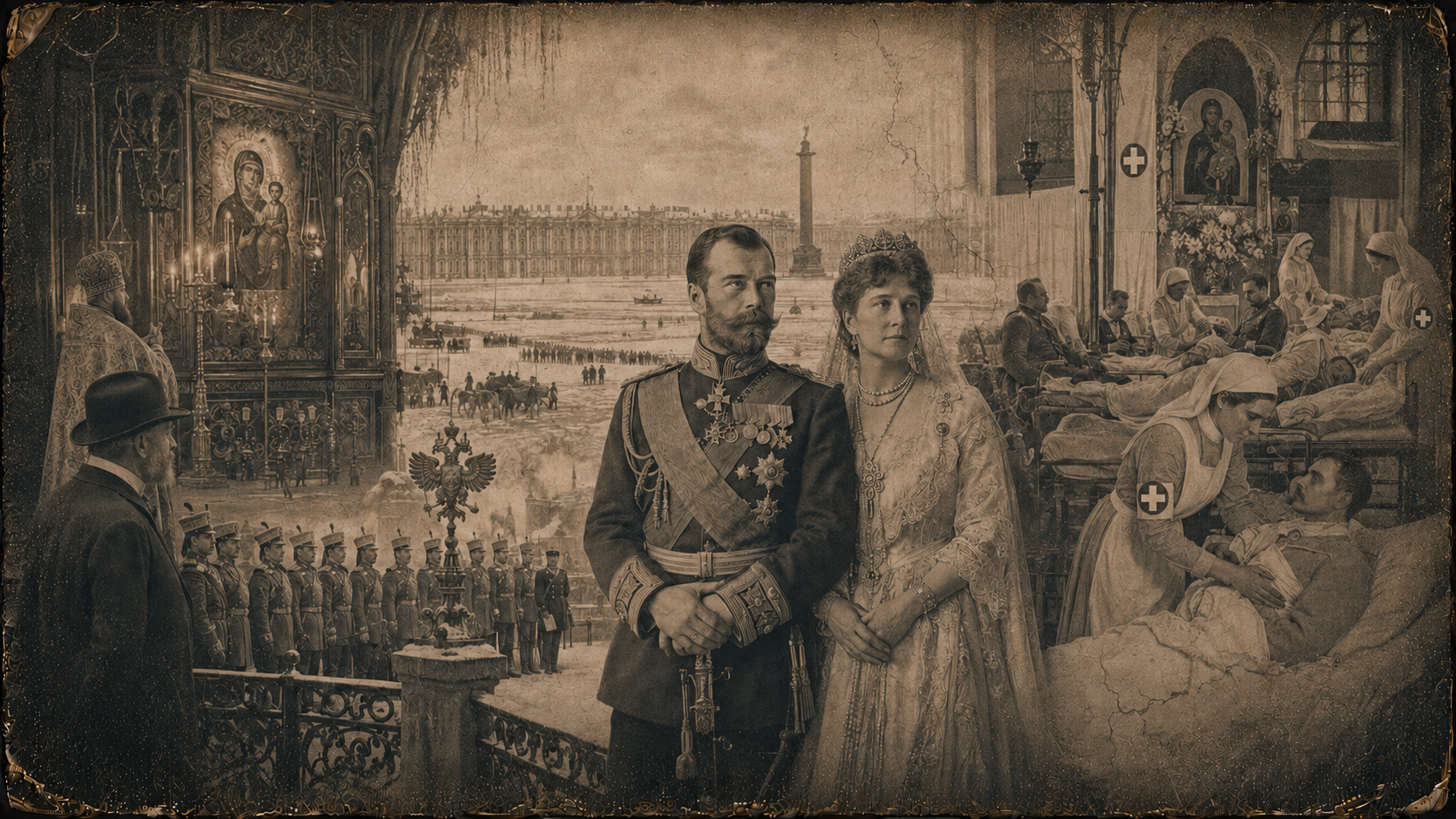
While scientists in Woods Hole were studying how living systems develop, another immense organism was beginning to fail. The Russian Empire stretched across Europe and Asia and contained more than one hundred million people, dozens of languages and enormous divisions of class, religion and nationality. At its center stood the Romanov dynasty, projecting permanence from behind the gates of its palaces.
Russia had presented itself to America at the World’s Columbian Exposition through art, industry, music and imperial ceremony. Among the humanitarian and religious networks surrounding its delegation was the Russian White Cross, an organization associated with medical relief and protected by members of the imperial family. To Chicago’s civic leaders, it offered an opportunity to combine charity, prestige and international cooperation.
The surviving record requires careful handling. The Russian White Cross, the Order of Saint John, the Maltese cross and the Imperial Corps des Pages appear near one another in later institutional histories, but they were not simply interchangeable names for the same organization. What connected them was a world of imperial patronage, military service, charitable work and inherited privilege gathered beneath the symbol of the white cross.
The Corps des Pages occupied the Vorontsov Palace in St. Petersburg, a building previously associated with the Russian branch of the Order of Saint John. It trained the sons of noblemen and senior officers for service in the Imperial Guard and at court. Its students did not merely study military science. They learned how the empire reproduced itself by preparing one generation of insiders to replace another.
The Tsar stood at the summit of that system. Nicholas II inherited the throne in 1894 and regarded autocratic rule as a sacred obligation. His wife, Alexandra Feodorovna, supported hospitals, nursing and wartime relief under imperial patronage. Their charitable roles presented the monarchy as guardian of the Russian people, even as poverty, political repression and social unrest were pulling the country apart beneath them.
For Richard Teller Crane and the Chicago circle formed around the fair, the White Cross became one of several openings into this imperial world. Efforts followed to establish an American counterpart. Plans from the turn of the century connected the Crane family with Russian grand dukes, American military and medical figures, church leaders and civic patrons. Charity was the stated purpose, but charity also created introductions unavailable through ordinary diplomacy.
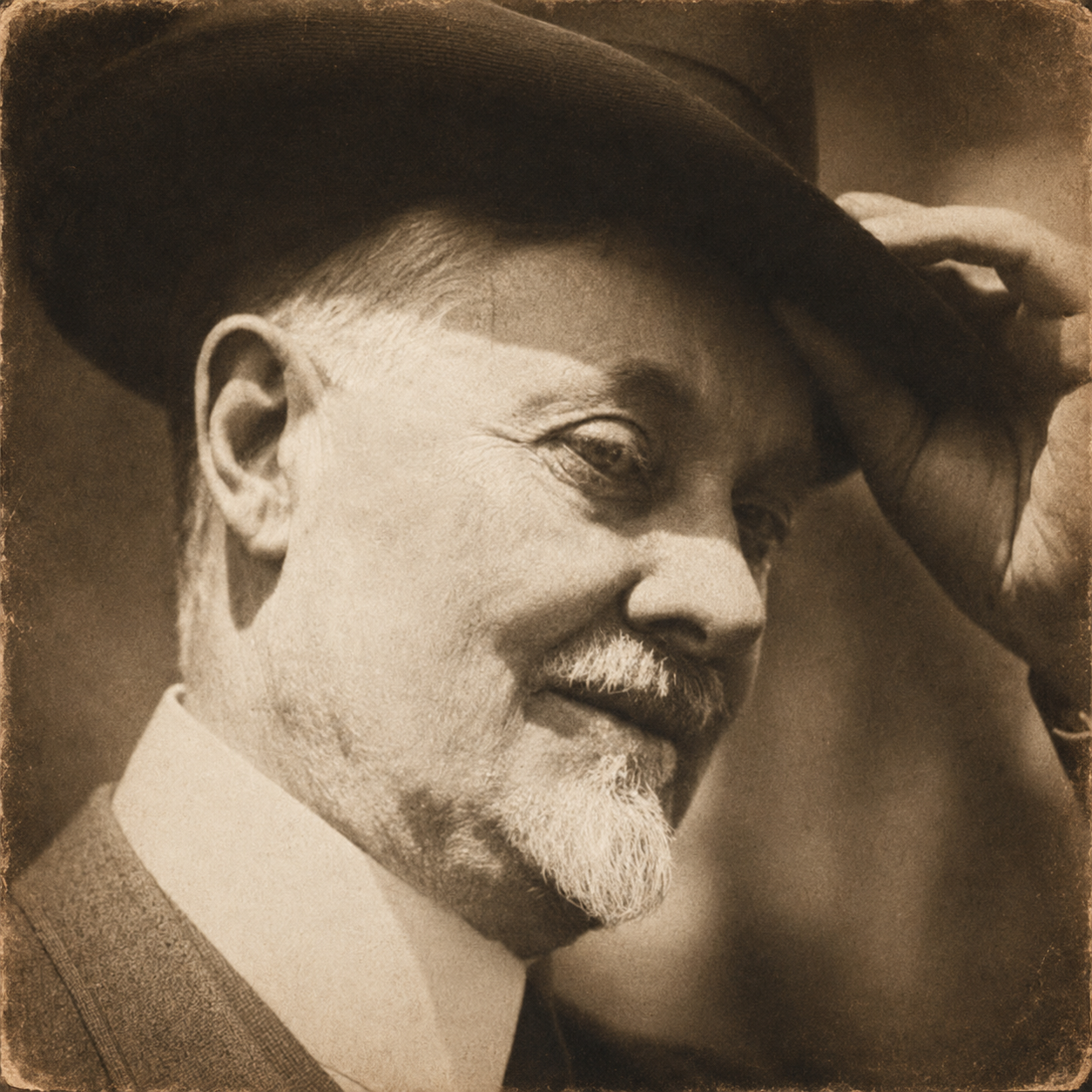
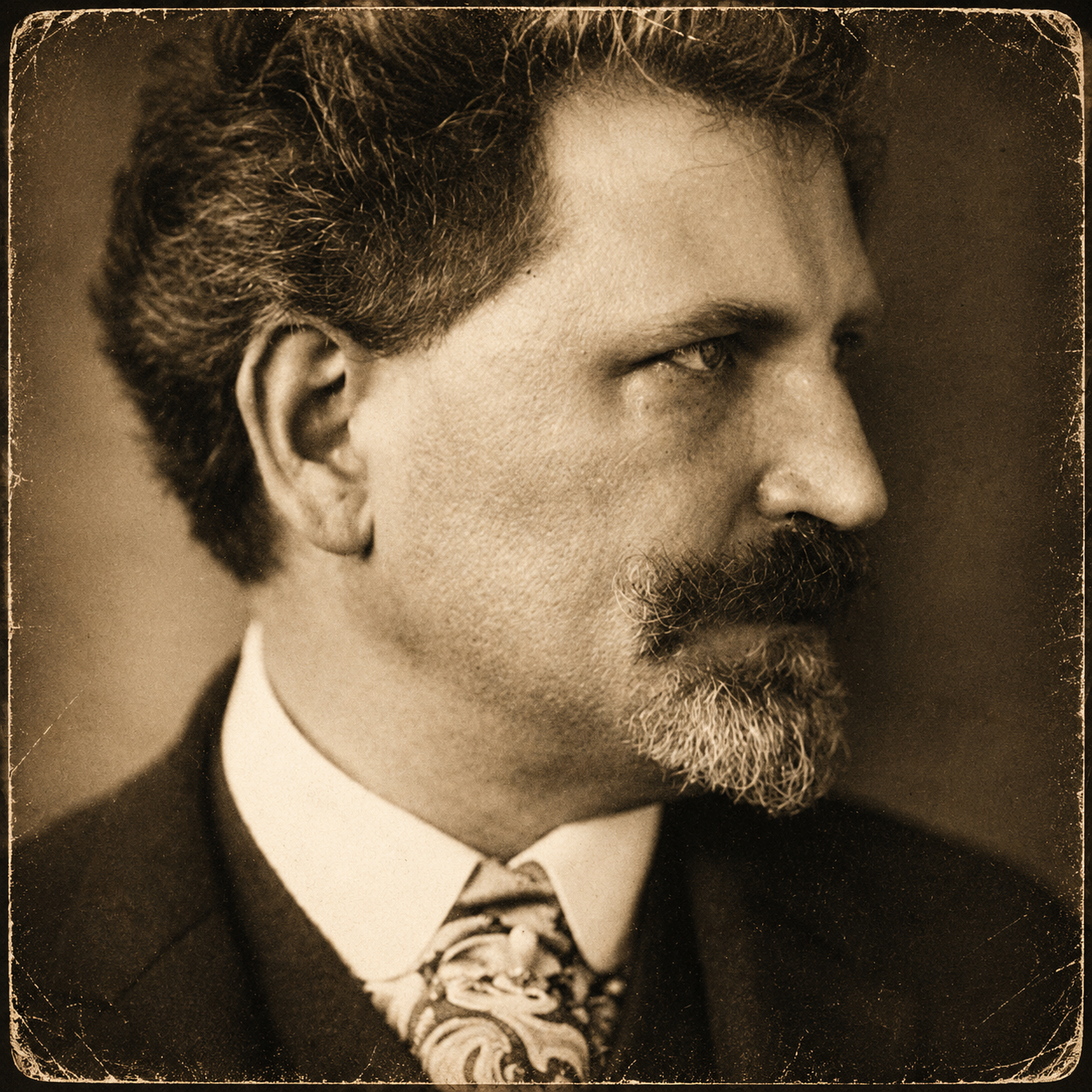
Charles Richard Crane followed those introductions farther than anyone else. He traveled repeatedly through Russia, learned its cultural and political landscape and developed friendships on opposing sides of its widening divisions. He met aristocrats, ministers, artists, scholars, clergy, reformers and revolutionaries. Crane did not observe Russia from a safe ideological distance. He moved among people who profoundly disagreed about what Russia was and what it should become.
In 1900, Crane brought William Rainey Harper, president of the University of Chicago, to Russia with trustees Martin Ryerson and Charles Hutchinson. They visited writers and artists, spent time with Leo Tolstoy and were granted an audience with Tsar Nicholas II. A plumbing heir from Chicago had carried the leadership of an American university into the presence of the Russian emperor.
The journey produced more than photographs and dinner invitations. Crane helped establish the serious study of Russia at the University of Chicago. Harper’s son Samuel learned the language, spent extended periods inside the country and became one of America’s earliest professional specialists in Russian affairs. Crane was constructing an information network years before the United States possessed the diplomatic machinery to understand what was approaching.
But knowledge did not necessarily produce clarity. Crane admired Russian spirituality and culture while underestimating some of the forces gathering against the monarchy. He supported liberal reformers but maintained access to the imperial court. His relationships crossed the boundaries between scholarship, philanthropy and political influence so completely that it became difficult to determine where one ended and another began.
Russia appeared immovable because its rituals were ancient, its palaces magnificent and its ruler absolute. Yet the empire was already becoming a pressure system without a functioning valve. Industrialization, famine, ethnic conflict, revolutionary organization and disastrous government decisions were building toward rupture.
This is the question that will follow Crane from the court of the Tsar into the chaos of the Russian Revolution:
Does access to power allow someone to understand a collapsing system—or merely bring him closer to the illusion that it cannot collapse?
The White Cross opened the door. Charles Crane walked through it. Russia was already beginning to come apart on the other side.